


Incident Prevention Utility Safety Podcast
The place utility safety and operations professionals go to learn how to empower themselves and others in their organization on how to become even better safety professionals.





Subscribe via your favorite podcast platform


Voice of Experience – Mastering the Boom with Danny Raines, CUSP
In this episode of Mastering the Boom, host Nick sits down with industry veteran Danny Raines to discuss the fundamental safe work practices required when operating aerial devices and bucket trucks. Driven by concerning trends and social media posts, Danny reviews critical procedures—ranging from essential pre-trip inspections and lower control operations to fall protection requirements and proper outrigger deployment. The discussion highlights the dangers of overloading buckets, hanging metallic tools on non-insulated exteriors, removing dielectric liners, and failing to maintain minimum approach distances near energized equipment. Danny emphasizes that adhering to established safety rules and standards is essential to preventing bucket fires, accidental contact, and severe workplace injuries.
Read Danny’s Articles: https://incident-prevention.com/blog/category/voice-of-experience/
Key Takeaways
-
Pre-Operation Checks: Operators must perform a Driver Vehicle Inspection Report (DVIR) before driving and test the lower controls daily before entering or elevating the bucket.
-
Dielectric Safety Awareness: Only the upper boom section between the knuckle and the bucket is dielectric tested; the fiberglass bucket itself relies on an insulated liner, which must never be removed or compromised.
-
Avoid Overloading & Misuse: Hanging tools or heavy materials on the outside of non-insulated bucket exteriors reduces clearance, violates weight limits, and increases the risk of accidental electrical contact or bucket fires.
Questions & Answers
Q1: What are the essential pre-use requirements before elevating a bucket truck?
A: Before using a bucket truck, operators must perform a pre-trip inspection (DVIR). Before entering the bucket or raising the boom, they must operate the lower controls to verify functionality and ensure they are wearing approved fall protection with an attachment point, full-body harness, and expandable lanyard.
Q2: Which part of a bucket truck is actually dielectric tested, and why are liners critical?
A: Only the upper boom portion between the bucket connection and the knuckle is dielectric tested. The outer fiberglass bucket is not insulated, so the dielectric liner provides the necessary electrical protection for the operator. Removing the liner to increase weight capacity removes this crucial safeguard and creates a severe hazard.
Q3: How does hanging equipment on the outside of a bucket compromise worker safety?
A: Hanging metallic tools, hand lines, or hardware on the bucket exterior can overload the unit beyond its rated weight capacity and breach the minimum approach distance. Because the outer bucket is uninsulated, conductive items on the exterior can cause arcing, hydraulic hose ignition, or bucket fires near energized lines.
#UtilitySafety #MasteringTheBoom #LinemanSafety #BucketTruckSafety #IncidentPrevention
Safety By Design – Implementation and Operation with Pam Tompkins CSP, CUSP
In this fifth installment of the Safety by Design series, host Nick welcomes back Pam Tompkins to discuss her article, “Safety by Design: Implementation and Operation”. Focusing on the ANSI/ASSP Z10 standard, Pam breaks down how utility and safety leaders can transition from planning to real-world execution. The conversation explores bridging the gap between “work as imagined” and “work as done,” emphasizing that operational units must take proactive ownership of safety protocols rather than treating safety as a standalone department responsibility. Key topics include operational planning, integrating front-line workers into rule development, effective change management, maintaining electrical and mechanical systems, and establishing strong contractor safety standards.
Key Takeaways
-
Operational Ownership: Safety cannot be bottlenecked in the safety department; operational leaders and front-line workers must take proactive ownership to integrate safety directly into daily procedures.
-
Proactive Change Management: Constant industry evolution requires structured change management to train employees, introduce new equipment, and ensure safety long before workers arrive at a job site.
-
Bridging the Gap: To align “work as imagined” with “work as done,” leadership must continuously seek feedback from front-line workers to eliminate operational flaws and impractical rules.
Questions & Answers
Q1: Why does safety often get bottlenecked in organizations, and how can leaders fix it?
A: Safety gets bottlenecked when organizations view it as a forced requirement focused solely on OSHA compliance rather than a driver of success. To fix this, leadership must shift from compliance to continuous improvement, ensuring operational leaders own the safety process while safety professionals act as facilitators.
Q2: What is the biggest disconnect between leadership’s expectations and front-line reality?
A: The biggest disconnect occurs when leadership focuses strictly on theoretical “work as imagined” while ignoring how tasks are actually executed in the field. This often leaves workers unable to follow impractical rules in real-world environments, highlighting the need for leadership to visit job sites, listen to feedback, and assess operational processes.
Q3: What immediate step should a frontline supervisor take to start building a culture of responsibility?
A: Supervisors should change the daily dialogue on the front line by asking workers, “What’s the worst thing that can happen on our job site today?” and using their feedback to proactively address operational hazards, communication gaps, and outdated maintenance.
#UtilitySafety #SafetyByDesign #SafetyManagementSystems #WorkplaceSafety #IncidentPrevention
From Humbling Moments to Safety Progress
Stepping into a safety leadership role is an exciting time, one often accompanied by feelings of anxiety. New leaders just learning the ropes may question their ability to guide others, particularly workers with decades of field experience.
But transitions rarely begin with certainty. Moving from a field position to a safety role, for instance, changes the way we view the work. Procedures are no longer merely documents but an ongoing commitment to protect human lives. We can hone our safety leadership skills and cultivate confidence by consistently showing up for, listening to and working alongside our frontline employees.
Building the capacity to offer continuous, meaningful support is an especially valuable attribute during those times that test our workers. Nearly every crew eventually experiences a near miss or critical incident that exposes safety gaps and forces adaptation. While sometimes perceived as failures, we are wise to treat these humbling moments as opportunities to (1) learn in tandem with our crews and (2) assist in developing and refining hazard control strategies.
The most humbling moments can arrive quietly and unexpectedly: A job presents far more challenges than anticipated. A mistake compels us to recognize a personal oversight. Someone shows us grace that feels unearned. These events tend to stick with us long after they occur, reminders of our human fallibility – but that is a good thing. Humility is not a state of weakness; it is the strength to admit that we are still learning and growing. One essential component of our journey is taking adequate time to reflect upon past incidents and near misses. In this way, we can thoughtfully assess what went wrong, what role we may have played and what corrective actions are needed.
Mock Mayday Drills
Achieving real safety progress in the utility industry demands employee involvement at every level. Let’s invite our field crews to help shape the work that they will ultimately execute. Not only does this often improve team performance, but leadership decisions guided by frontline input typically result in more relevant and practical training and procedures, boosting worker adoption rates.
Conducting mock mayday drills is one excellent way to collaboratively enhance emergency preparedness in the field. Ask crews, police, fire, dispatch, medical responders and system operators to participate. Add cameras and recorded radio traffic to heighten the tension.
Mock drills introduce complexity and discomfort into a controlled work environment. They are purposely designed to expose safety and knowledge gaps, highlight uncertainties and push teams to operate under pressure. Participating field crews understand that they are being observed and evaluated, which could prompt hesitation or resistance. Still, for organizations committed to the process – mistakes included – periodic mock drills are a profoundly effective way to build crew confidence and readiness.
During one such exercise that I’m aware of, a team was tasked with performing a bucket rescue following a mock electrical contact. Post-drill input from dispatchers, first responders and the rescue team underscored their shared understanding: preparation matters. Lessons learned during the drill were captured, reviewed and applied, ultimately becoming part of an ongoing training cycle.
That shared understanding proved to be a literal lifesaver months later, when team members received a real mayday call. They were able to successfully resolve the situation using planning skills, communication techniques and experiential knowledge acquired during their employer’s mock drill.
Beyond the field, intentional conversations with coworkers, peers and subject matter experts provide opportunities to expand both our leadership skills and our emergency preparedness. We must consider attending professional development conferences and industry meetings, even if the idea spurs feelings of intimidation. Meaningful safety progress requires all of us to collaborate, share resources and learn together.
Conclusion
Safety leaders deliver value to the utility industry workforce by consistently showing up in the field, asking thoughtful questions, listening to understand, applying lessons learned and providing ongoing crew support. We are not required to know everything to continue moving safety forward, but progress does depend on our capacity to remain humble, curious, teachable, open-minded, objective and inclusive of others.
About the Author: Brandon Kluthe is the safety coordinator for the City of Grand Island Utilities in Nebraska. He has 25 years of experience in the electric industry, including 14 years in underground electric distribution.
Why Breaker Maintenance Is Important: From Slow Trips to Reliable Operation
— Webinar Sponsored By —
“Why Breaker Maintenance Is
Important: From Slow Trips
to Reliable Operation”
** THIS WEBINAR WILL BE RECORDED **
Be sure to register. If you are unable to attend on the day of this event, you will still receive a link to the webinar recording afterwards so that you can access and view it at your convenience.
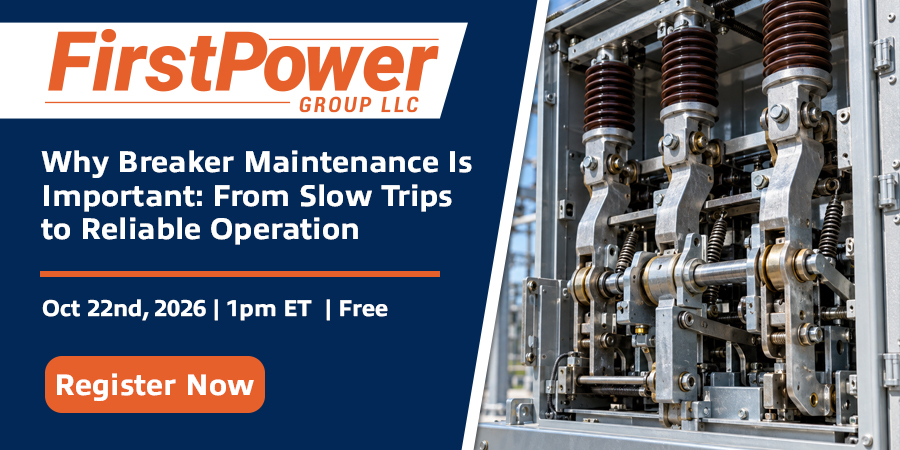
Join the Conversation With Industry Experts On October 22nd at 1:00 p.m. ET
Circuit breakers must operate when there is a fault or high current. Yet hardened grease, contamination, and difficult-to-access mechanisms can contribute to failures to operate or slow to operate.
In this webinar, FirstPower Group will examine why routine maintenance matters for worker safety, public safety and service reliability, how lubrication problems develop, and how cleaning, targeted lubrication, and testing fit into a consistent maintenance program. Attendees will leave with practical ways to evaluate their own breaker maintenance practices.
Learning Objectives:
- How failed trips and reclose operations affect safety and reliability.
- What stiffened grease, contamination, and sluggish operation can indicate.
- Why a temporary penetrant may not resolve an underlying lubrication problem.
- How to approach lubricant selection for different breaker components.
- Why testing operation after maintenance and recording results matter.
This webinar is ideal for substation and circuit breaker maintenance managers, supervisors, and technicians; utility safety managers and specialists; maintenance trainers; and asset reliability engineers. Protection and control technicians and operations supervisors are useful secondary audiences because they work with breaker performance and maintenance planning.
Time will be dedicated at the end of the discussion to answer live audience questions.
Attendance worth 1 contact hour for certification/CUSP maintenance.
MEET YOUR SPEAKERS
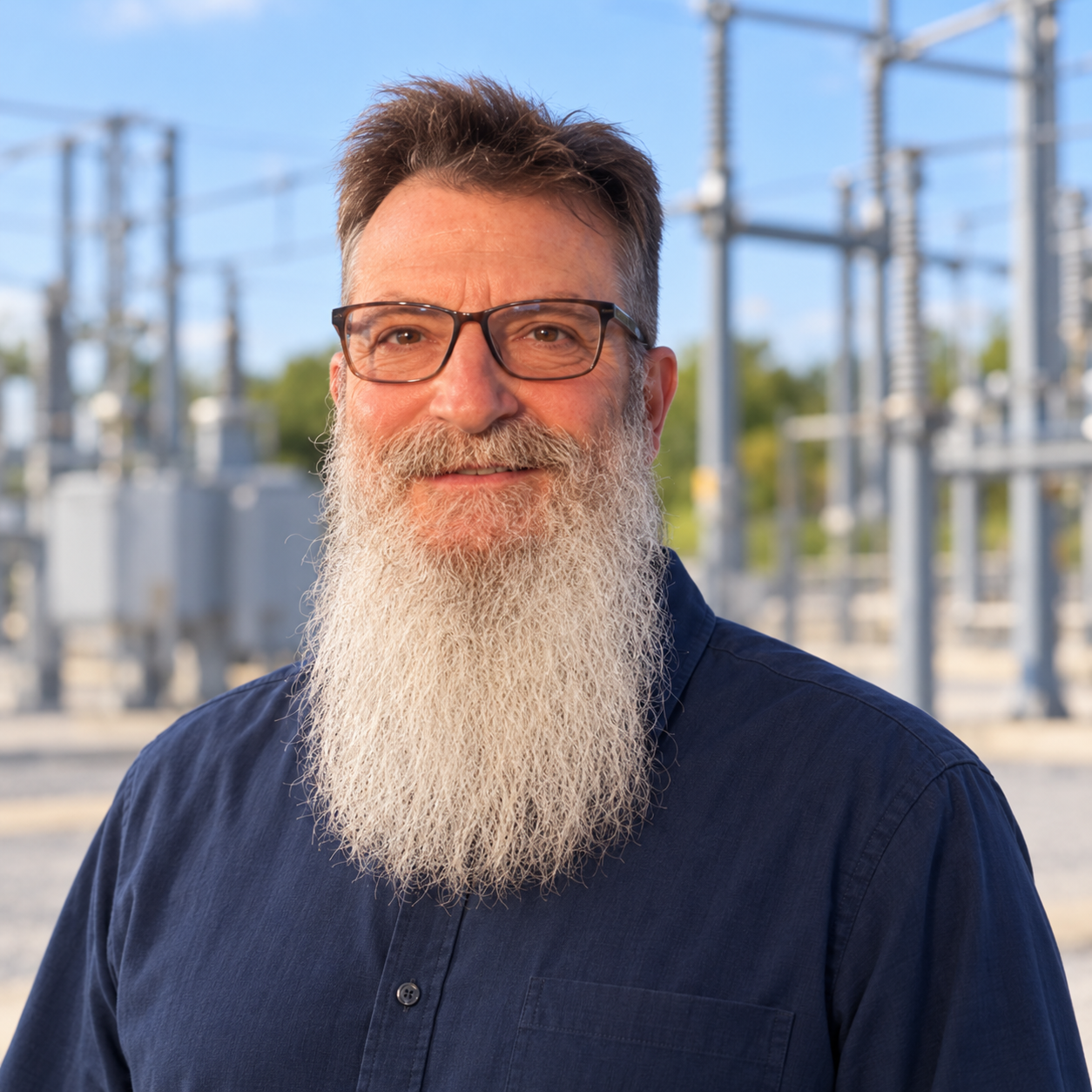
Stephen Cabeza
Training and Business Development, FirstPower Group
Stephen Cabeza brings more than 44 years of transmission and substation maintenance experience, including over 20 years as a senior breaker specialist at Alabama Power. His work includes SF₆ and vacuum breakers from 15 kV to 500 kV, as well as supporting maintenance, safety, and training teams.
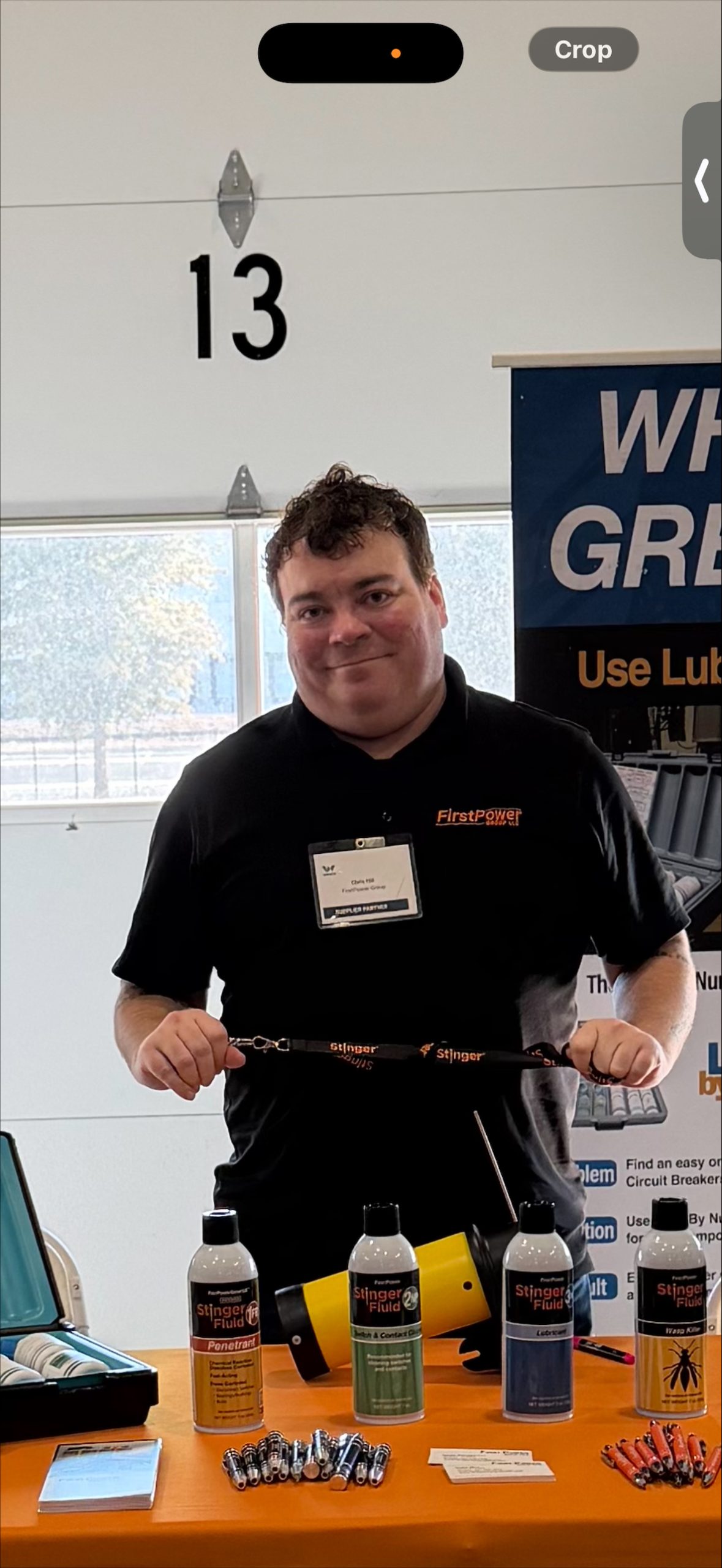
Chris Hill
Sales Manager, FirstPower Group
Chris brings more than 20 months of chemical sales experience, including the same number of months giving many utilities assistance in switch and circuit breaker maintenance. All of Chris’ efforts has been much appreciated.
FirstPower Group LLC (FPG) is a specialized industrial manufacturer and service provider dedicated to the maintenance and repair of high-voltage circuit breakers and compressors for the electric power industry. Founded in 2007, the company carries forward a legacy dating back to 1979, having roots in J.W. Harley Inc. and a subsequent period as part of GE Power Generation Services.
FPG distinguishes itself by applying decades of engineering expertise to modernize aging equipment, offering affordable solutions that improve productivity while reducing environmental impact. The company’s operations are guided by the principles of Kaizen and Lean manufacturing, focusing on the systematic elimination of waste and continuous operational improvement. Safety and reliability are paramount, with a workforce fully trained in OSHA standards to ensure the dependable delivery of electric services. Ultimately, FPG aims to be a global leader in equipment remanufacturing, driven by a customer-centric culture and a commitment to achievement.
The views, information, or opinions expressed during this webinar are solely those of the individuals involved and do not necessarily represent those of Utility Business Media and its employees. It is strongly recommended you discuss any actions or policy changes with your company management prior to implementation.
Plan It, Brief It, Build It: A Guide to Safer Utility Work Zones
Utility work zones often place serious hazards on the same strip of pavement as your crew. Where a driver observes another row of traffic cones, a worker sees the hard edge of their worksite. Danger lurks in the space between those two perspectives.
Fortunately, industry employers can take three steps to reduce this risk. Begin with identifying site-specific hazards that could generate significant injuries. Build a traffic control plan (TCP) with those hazards in mind. Then, as needed, integrate tools and technology into the company’s field practices that are designed to calm and redirect drivers.
These activities are not a substitute for employer procedures or the rules promulgated by OSHA and the U.S. Department of Transportation. Instead, consider them additional guidance intended to further boost workforce well-being.
Where Harm Tries to Hide
Predictably enough, the most catastrophic work zone events result from high-energy contact between vehicles and pedestrians, equipment or other vehicles. Three patterns show up repeatedly across line work, broadband builds and pole changeouts.
- High-speed approaches. Drivers roll in fast, then suddenly notice a mix of signage and lane shifts. By the time they react, they’re at the first line of cones, drums or barriers – where most intrusions occur.
- Task pressure. Crew members may feel pressure to work quickly during zone setup and teardown, amplifying risk exposure. For instance, a company truck eases out to shield the lane as a worker places the first cone or other channelizing device, only for a driver to attempt to beat the lane change.
- Incomplete separation. TCPs require tapers (i.e., angled lines of cones or barrels that redirect lane traffic) as well as buffers that separate crews and equipment from traffic flow. Risk to workers increases where one or both are not built to spec in the field.
Successfully controlling these patterns reduces exposure, which should be an organizational goal that steers planning and review processes for every utility work zone.
From Signage to Safe Exits
A compliant work zone consists of the five sections outlined below. When in the zone, all personnel must wear high-visibility clothing and any other appropriate personal protective equipment based on the site’s hazard analysis.
- Advance warning area: Signage is displayed at the zone’s start to alert drivers of work ahead.
- Transition area: Tapers route traffic outside the typical travel path, past the work zone, then back to normal.
- Buffer space: This section provides recovery room for an errant vehicle. Workers must be trained never to stand, park or stow items in buffer spaces.
- Workspace: Here, employees execute their tasks and store equipment and materials.
- Termination area: Signage clearly communicates to drivers that the work zone has ended.
Note: Don’t forget the crucial step of assigning flaggers to conspicuous spots on the roadway shoulder, making sure to avoid curves, hills, shade and other low-visibility areas.
Share the Plan
A strong traffic control plan aligns with Part 6 of the Manual on Uniform Traffic Control Devices, organizing work zones by target traffic pattern, supporting devices, and device positioning and removal sequences.
To foster greater employee understanding of the work setup and plan, employers should cover the following seven areas during each of their OSHA-required job briefings (readers can review the agency’s briefing rules at 29 CFR 1910.269(c)).
- Tasks and limits. Identify goals for the day’s work. Provide a map that clearly delineates the activity area.
- Approach conditions. Confirm the posted speed limit, sight lines and peak traffic windows for each approach.
- Review the zone to verify the taper start point, buffer length and appropriate device spacing.
- Assign employees to monitor the traffic queue and manage radio calls or other alerts regarding phase changes and vehicle intrusions.
- Setup and removal. Determine who will set up and/or remove channelizing devices, and in what order. Doing so early allows more time to build buffer space between crews and vehicle traffic before work begins.
- Change triggers. Discuss specific circumstances that require a phase change or a stop-work directive. Triggers could include the traffic queue reaching an extended length, approach speeds exceeding the posted limit and sudden weather shifts.
- Escape routes. Point out the nearest safe retreat (e.g., the road shoulder, behind a barrier, inside the buffer’s far edge) on a map. Agree on a clear call, such as “Clear right” or “Clear left,” and ensure that each worker knows where to go should a vehicle intrusion occur.
Digital Assist
Today’s technology offers employers tools that move workers outside active traffic lanes and give motorists early, unambiguous instruction.
Physical separation is the first objective. Remove human flaggers from harm’s way by installing automated flagger assistance devices (AFADs), which replace hand signals with a bright, steady indicator that’s tough to miss. These devices do not experience fatigue or distraction as they work, and many models log their activity, assisting users with hazard detection and troubleshooting.
Position AFADs anywhere a human flagger could be exposed to risk, such as near fast approaches and narrow shoulders. Always pair AFADs with a clean taper and an empty buffer. Locations that force complex, multidirectional driving decisions and/or heavy pedestrian negotiation may justify an upgrade to temporary signals or manual control.
Next, design a smarter, more modern approach. Portable message signs and queue warning systems help to reduce a driver’s speed before they encounter channelizing devices. Push alerts upstream through local partners and navigation apps so that a portion of traffic is rerouted and simply never enters the zone.
Finally, consider investing in cones or barrels that can broadcast their location and status to company trailers and dynamic signs. Messaging that automatically updates as the taper moves reduces the need for mid-shift radio calls that can distract workers. Up-to-date signage also helps to mitigate driver confusion.
Keep in mind that digital or connected solutions aren’t needed for every job but can enhance worker and public safety when warranted.
Establishing Proactive Safety Measures
Numerous organizations rely on their injury statistics to gauge safety performance. These metrics provide valuable historical data but do not necessarily convey the hazardous site conditions and worker behaviors that could prompt future incidents. To elevate safety culture, organizational leaders must proactively implement and continuously refine field processes for hazard identification, control checks and workforce engagement.
Developing a structured way to conduct site checkups and work area inspections is one effective starting point. Visit employees in the field to better understand the realities of their work, the problems they contend with, and the site conditions that could lead to a serious injury or fatality. These interactions often create opportunities to reinforce safe work practices as well as identify potential improvements to engineering, administrative and operational controls.
Yet observation alone is not enough. Processes also must be established to spot and rectify persistent issues (e.g., work zone intrusion events) and systemic deficiencies related to company policies, procedures, training and work planning. Once identified, management will ideally formulate corrective actions and assess their impact over time.
Tracking vehicle intrusion events in company work zones provides insight into operational limitations and helps employers determine how well their existing controls protect workers and the motoring public. Employers that manage traffic control themselves or contract with third parties must have confidence that unauthorized vehicles will not enter any of their work zones.
The Manual on Uniform Traffic Control Devices and other regulatory requirements are the foundation, but leading organizations layer in more protective measures, observe jobsites on a regular basis and continuously improve controls to prevent future intrusion events.
Conclusion
A safe utility work zone results from a combination of clear plans, defined roles and helpful tools. More specifically, it is the output realized from engaging in four activities the right way every time, without exception.
- Conducting a pre-job briefing after planning the work zone, helping to ensure all crew members own the plan.
- Rapidly building separation between crews and road traffic while keeping watch for potential exposure to vehicle intrusions.
- Using appropriate tools to move people out of harm’s way.
- Measuring what matters while striving to create a culture of continuous improvement.
Employers that take these steps shift after shift will almost certainly begin to see cleaner work zone setups – and fewer close calls.
About the Author: Michelle Marsh is senior vice president of EHS for AWP Safety (www.awpsafety.com).
What Defines a Journeyman Cable Splicer?
The cable splicer’s role in the utility industry has broadened over time. Today, splicing work is performed by electricians, lineworkers and technicians, as well as individuals who have successfully completed manufacturer training programs. And while it’s true that many of these professionals are highly qualified within their respective disciplines, earning the journeyman cable splicer title demands more than just the act of splicing.
Journeymen splicers have the requisite training and field experience to safely install, maintain, test, troubleshoot, repair and operate medium-voltage and network distribution systems. A structured apprenticeship – one that includes extensive classroom instruction, thousands of hours of supervised field experience, practical examinations and ongoing competency development – is typically necessary to achieve this level of expertise.
My apprenticeship consisted of a four-year underground lineworker training program, during which I logged nearly 6,000 hours in the field and completed several formal training blocks. Program advancement required passing both written and practical assessments, culminating in comprehensive final exams.
Depth and Breadth
Relatively few electrical professionals who perform splicing tasks possess a journeyman splicer’s depth and breadth of relevant knowledge. Responsibilities extend far beyond installing a termination or a splice kit.
Qualified splicers have studied the full range of tasks associated with building and maintaining underground electrical distribution systems, from cable installation and system construction to fault diagnosis, repair, testing and restoration. Thorough education on cable construction, electrical theory, insulation systems and failure mechanisms ultimately enables splicers to identify issues before they become outages and diagnose failures as they happen.
Beyond cable-specific expertise, journeymen splicers are deeply familiar with underground distribution systems; network operations; transformer applications; grounding practices; switching procedures; and the relationship between primary and secondary electrical systems. These competencies empower splicers to safely isolate, test, repair and restore critical infrastructure.
For some utility professionals, installing manufacturer-specific products is their only exposure to medium-voltage work. Journeymen splicers, on the other hand, routinely locate and diagnose faults; identify damaged cable sections; test cables; verify cable identification; and determine root causes of system failures. Doing so requires deep, ongoing learning about electrical system behavior, cable degradation mechanisms and operational factors that influence system reliability.
My apprenticeship was purposely designed to develop these competencies. Structured classroom and field training covered fault locating; cable theory; network protector operation; system switching; grounding methods; transformer theory; metering; cable identification; continuity testing; hot-network construction; paper-insulated, lead-covered (PILC) cable systems; advanced manhole and vault construction; transition splicing; wye and H-body splices; underground residential distribution systems; throwover systems; and advanced switching procedures.
Perhaps the greatest defining characteristic of a journeyman cable splicer is the ability to understand and troubleshoot an entire electrical system. When a cable fails, splicers must be able to analyze the problem, identify the cause, develop a safe repair strategy and restore service while maintaining overall system reliability. These capabilities are developed through apprenticeships and years of field experience that short-term training programs do not supply.
Manufacturer and NCSCB Certifications
Various manufacturers offer certification programs focused on proper installation of their medium-voltage cable accessories, which can usually be completed in one to three days. Prior experience with medium-voltage systems and cable preparation is often a must.
This is worth noting. While a manufacturer’s certification program verifies an individual’s ability to correctly install certain products, it does not provide the comprehensive education, field experience nor system-level knowledge that quality cable-splicer apprenticeships do. In fact, manufacturer programs are commonly described as “product-specific installation training.” The bottom line? Certification indicates an individual’s proficiency with the manufacturer’s products but not necessarily mastery of the splicing trade’s full body of knowledge.
There is one industry certification to know about because employers are increasingly seeking it out as they assess prospective employees. The National Cable Splicing Certification Board’s program validates a splicer’s knowledge and skills through written and practical examinations. Candidates are expected to possess relevant industry experience as no formal training is provided. The organization recommends at least two years of working experience in the medium-voltage cable industry before attempting certification.
Passing an NCSCB exam demonstrates splicing task proficiency and related technical knowledge. On its own, though, the certification does not indicate completion of any industry apprenticeship nor extensive experience with troubleshooting, fault locating, switching, underground system construction or distribution operations. It merely verifies professional competence already gained through an apprenticeship.
Inside Wiremen
Journeymen inside wiremen are another subset of highly trained industry workers. Their apprenticeship programs focus on commercial, industrial and institutional electrical systems, cultivating expertise in areas including low-voltage wiring and troubleshooting; motor controls; conduit systems; lighting and fire alarm systems; industrial equipment; switchgear installation; and commercial or residential wiring.
An inside wireman might perform medium-voltage terminations and splices, but the skill needed to accomplish this occasional work is not equivalent to a journeyman cable splicer’s level of specialization. Focus and depth are the primary differences here. A splicer’s apprenticeship zeroes in on distribution systems, providing rigorous training in cable installation; identification; fault locating; switching operations; network systems; transformer installations; cable theory; and troubleshooting. Armed with this knowledge, they can safely manage complex underground system failures, network protector operations and cable fault investigations.
Journeymen Lineworkers
Journeymen lineworkers are among the most highly skilled professionals in the electric utility industry. Apprenticeships focus on the construction, operation, maintenance and restoration of power transmission and distribution systems, delivering robust training on energized environments, hazard controls, switching operations, outage restoration and more.
Underground tasks are sometimes assigned to these journeymen, such as installing elbows, terminations or pre-manufactured splice kits. However, organizational leaders must recognize that this work – which can also include connector sweating; single- and three-conductor PILC construction; transition, wye and H-body splicing; network protector operations; advanced switching procedures; and hot vault and manhole construction – represents a distinct industry specialization, one that requires extensive instruction and practical field experience beyond the scope of traditional overhead-focused apprenticeship programs.
Conclusion
Industry employers are wise to recognize the distinction between journeymen cable splicers and employees who perform occasional splicing work. Manufacturer certifications can provide valuable validation of product installation competency. NCSCB’s program independently verifies a splicer’s technical knowledge and practical skills. Both serve important purposes, but neither can replace the comprehensive education and field training that journeymen cable splicers received during their formal apprenticeships.
About the Author: Mark Savage is the owner of DeadBreak, a service-disabled veteran-owned small business providing underground distribution and transmission training, consulting and field services. A U.S. Marine Corps veteran with over 25 years of experience in underground construction and emergency response, Savage is a credentialed journeyman cable splicer/lineman and qualified medium-voltage splicing trainer. Reach him at msavage@deadbreak.us.
2027 NFPA 70E: Arc-Rated PPE Conformity Assessment Update
The NFPA 70E standard addresses electrical safety-related work practices, maintenance methods and administrative controls. It is subject to three-year revision cycles, with the recently published 2027 edition now replacing the 2024 edition.
Among the changes to the revised standard is one small but significant update to the conformity assessment requirements for arc-rated clothing and other personal protective equipment. Readers should be aware that the text is relatively easy to miss in the new edition, yet it has potential to greatly impact the arc-rated PPE marketplace. Also note that while this change applies to all PPE types, arc-rated PPE is this article’s sole focus.
Testing and Oversight
To understand NFPA 70E conformity requirements, it is helpful to be knowledgeable about arc-rated PPE testing and oversight requirements. ASTM International and the International Electrotechnical Commission primarily govern arc-rated product specifications and testing methods, although other standards organizations do exist. ASTM F1506 and IEC 61482-1-1 are the standards most widely used for these purposes. Each includes a list of test methods and associated performance requirements that manufacturers can use to assess product conformity. NFPA 70E references both standards in Table 130.7(C) regarding PPE requirements.
A garment’s arc rating is determined by testing the primary fabric (or multilayer fabric system) to either ASTM F1959 or IEC 61482-1-1. Various other tests may be needed to achieve full compliance, including small-scale flame tests before and after laundering; colorfastness and dimensional change tests; and physical tests to gauge breaking, tearing or burst strength, depending on textile construction. Both ASTM and IEC require periodic retesting on subsequent fabric lots for continued compliance.
Once a fabric’s arc rating is determined and garment creation commences, ASTM F2621 or IEC 61482-1-1 can be used to assess the finished product. Garments are placed on non-instrumented mannequins for the purpose of observing design performance, including ignition, melting and dripping. However, numerous manufacturers use these standards to demonstrate that their products do not contribute to injury, thereby satisfying a clause found in ASTM F1506. This process is commonly used with items that cannot be assigned arc ratings, such as sunshades and respirators. Neither the 2024 nor 2027 edition of NFPA 70E references these garment-related arc exposure standards.
Historically, the compliance of most products in the ASTM F1506 marketplace has been self-declared by their respective manufacturers. To support those declarations, manufacturers could choose to (1) collaborate with ISO/IEC 17025-accredited laboratories; (2) conduct testing in their own in-house labs; or (3) work with unaccredited external labs.
Some manufacturers went a step further, marketing dual-hazard garments that had been ISO/IEC 17065 certified to both NFPA 2112 and ASTM F1506. ISO/IEC 17065 is a conformity assessment standard for certifying organizations that use ISO 17025-accredited testing labs and site audits. Achieving certification results in a public listing and use of the certifying organization’s mark on the product label. This is the most stringent level of PPE oversight. It includes annual retesting and site audits performed by an ISO 17065 organization (e.g., UL Solutions, the Safety Equipment Institute).
Note: The National Electrical Code (NFPA 70-2026) defines “listed” as “equipment, materials, or services included in a list published by an organization that is acceptable to the authority having jurisdiction and concerned with evaluation of products or services, that maintains periodic inspection of production of listed equipment or materials or periodic evaluation of services, and whose listing states that either the equipment, material, or service meets appropriate designated standards or has been tested and found suitable for a specified purpose.”
The onus is on consumers to request copies of any supporting evidence in cases of manufacturer self-declaration. Ask to see product test reports, including those that document required retesting. Conversations with hundreds of end users have revealed that most did not know they could review these reports; most were also unaware that arc-rated PPE must be marked in accordance with ASTM F1506. The 2027 NFPA 70E includes marking requirements as well.
Three Methods, Two Revisions
Changes to the updated 70E standard were driven in part by concerns regarding conformity assessment claims. To better understand this, readers should know that the 2024 edition offered manufacturers three methods to demonstrate PPE conformity with an appropriate product standard:
- Self-declaration with a supplier’s declaration of conformity.
- Self-declaration under a registered quality management system, with product testing by an accredited laboratory and a supplier’s conformity declaration.
- Certification by an independent, accredited third party.
All three carried equal weight. Nothing on the PPE itself indicated the method employed to end users.
This labeling gap was addressed by the NFPA 70E technical committee during the latest revision cycle. An initial proposed change required manufacturers to clearly identify to consumers which of the three conformity assessment methods had been used, either on the product packaging or in the instruction manual. A second proposed revision replaced the sentence in the initial revision with this one: “All arc-rated PPE shall be listed.” The technical committee explained in their statement that while most arc-rated PPE manufacturers are reliable, self-declaration is insufficient to guarantee a product’s promised protection level.
Twenty-eight individuals were eligible to vote on these changes. The second proposed revision passed with 19 affirmative votes, one affirmative vote with comment, and four nay votes with comment. Four members did not return a ballot.
Because the second revision eliminated any mention of the three conformity demonstration methods, one nay vote stated that the marking requirement was unnecessary. Two of the four nay votes used identical language, arguing that self-declaration under a registered quality management system with accredited laboratory testing has been used successfully in North America and globally; that it should not be deleted from the standard; and that a requirement to publicly list all arc-rated PPE (i.e., achieve third-party certification from an ISO 17065-accredited organization) would be unduly burdensome on industry. A third nay commented that listing may not improve product quality, noting that buyers should source PPE from established manufacturers that can supply testing documentation. The fourth nay pointed to ANSI/ISEA 125, a conformity assessment standard for safety and PPE, which sets three conformance levels: manufacturer self-declaration at levels one and two, comparable to the EU’s CE marking, and listed product at level three.
Public Commentary
Fourteen public comments were submitted after the first draft of the revised NFPA 70E standard was released. One explained that flame-resistant apparel manufacturers in North America most commonly self-certify to ASTM F1506, so third-party certification to NFPA 70E would also require third-party certification to F1506 – a program that neither standard gives certifiers any guidance to build. A second comment pointed out that the draft did not specify which information must be listed: the fabric, the garment or a component (e.g., a face shield). Others raised concerns about the absence of an effective date for the revised standard; the risk that listed products would not be available when the standard became effective; and the draft’s silence on arc flash PPE already purchased and in service.
Second Draft
Compelled by these comments, the NFPA 70E technical committee abandoned the second revision, removed the listing sentence and restored the 2024 standard’s language – with one change: the first method, self-declaration with a supplier’s declaration of conformity, has been struck from the text. The other two methods remain. The committee statement identifies that deleted first method as the original driving factor behind the listing proposal.
This ballot passed with a vote of 23 to 2. No amending motions were filed. The 2027 NFPA 70E standard was issued April 16, 2026, and took effect May 6.
Meaning for the Marketplace
The option for manufacturers to self-declare product conformity still exists, but the revised standard’s new parameters require a registered quality management system and test data generated in an accredited laboratory. A supplier’s declaration of conformity must be present. Consumers who consider purchasing products with self-declared conformity claims are encouraged to verify claim accuracy. Request copies of the declarations and test reports. Users can also ask to see proof of a registered quality management system.
Alternatively, manufacturers can obtain third-party certification from an ISO/IEC 17065-accredited organization. This approach enables consumers to search publicly available listings, via databases provided by the certifying organization, for verification that a specific product has achieved certification. The manufacturer is required to include information on the conformity pathway chosen.
The updates discussed in this article differ slightly from the outline presented in ASTM F1506, which allows PPE manufacturers to either audit critical component manufacturers or accept the same items listed in NFPA 70E (i.e., ISO 9001 as a quality management system, and either ISO/IEC 17025-accredited test data or third-party certification by an ISO/IEC 17065 organization).
In closing, the latest NFPA 70E standard contains small language adjustments that will prompt noticeable changes in the arc-rated PPE marketplace, including greater visibility into how manufacturers meet consensus standard conformity requirements.
About the Authors: Zarheer Jooma, M.S., P.E., is a partner at e-Hazard (https://e-hazard.com). His work includes electrical safety training, accident investigations, safety audits, consulting services and arc flash engineering studies. A senior member of IEEE, Jooma is part of the IEEE 1584, ASTM F18 and IEC TC 78 working groups. He has also contributed to the NFPA 70E standard.
Stacy Klausing, M.S., is the PPE project manager at ArcWear (www.arcwear.com), a division of Kinectrics. Her professional experience includes project management in testing laboratories, testing and evaluating fabric related to PPE, and execution and management of an ISO 17025-accredited quality system. She earned her master’s degree from the University of Kentucky and is a Six Sigma Green Belt from North Carolina State University.
Brian Shiels, M.S., is the service line manager for ArcWear, a division of Kinectrics. His professional experience includes quality management as well as the development and testing of thermal protective clothing and equipment. Among other responsibilities, Shiels is vice chair of the ASTM International Board of Directors. He earned his master’s degree from North Carolina State University.
To read more about the NFPA standards development process, visit www.nfpa.org/for-professionals/codes-and-standards/standards-development.
Human-Centered AI and the Role of Design Thinking
Artificial intelligence is rapidly finding its way into the utility sector, with industry organizations exploring how it can be used to identify hazards, analyze incident trends, summarize procedures and support planning activities. These capabilities offer exciting opportunities yet also prompt uncertainty. Today’s lineworkers, electricians, mechanics, operators and other trade employees are understandably questioning whether AI will eventually replace the experience and judgment that they have worked years to develop.
The short answer is no. AI will not replace skilled employees – assuming employers are thoughtful in why and how they deploy the technology. What does that mean? For starters, management must identify the employees most likely to use a prospective new AI tool long before rolling it out companywide.
Here is where design thinking becomes essential.
Systems vs. Design Thinking
Many readers are familiar with systems thinking, which helps us to better understand how work is performed in complex organizations. Design thinking is a human-centered approach to intentionally improving that work. When we investigate prospective AI tools, design thinking encourages us to assess how they can be used to boost task safety and ease.
This is not a new approach for modern safety professionals, who spend time each shift observing work, engaging with employees, identifying barriers and helping to refine processes. Design thinking merely provides a structured framework to do what many successful organizations already do well.
Consider the evolution of today’s vehicles, for example. Many now feature advanced systems engineered to automatically brake, maintain lane position, monitor blind spots and even assist with steering – technologies that have undoubtedly prevented crashes. Drivers can become increasingly reliant on these features, however, exhibiting slower reaction times if they malfunction. The problem here is not the technology itself but a flaw in how users and the technology were designed to interact.
Similar Challenge
Workplace safety currently faces a similar challenge. Imagine an AI tool that reviews job packages, weather conditions, equipment history, photographs and previous incident reports before work begins, with the goal of identifying hazards that could otherwise be overlooked and recommending risk controls. Used optimally, the tool is an invaluable second set of eyes; substandard use, though, could persuade workers to assume that no hazard exists where AI does not identify one.
Simply put, automation as a substitute for critical thinking increases risk exposure.
Design thinking aids in mitigating this risk by placing people at the center of the process, which ideally begins with management educating themselves about how experienced field crews recognize hazards, make decisions and adapt to changing conditions. Seek to understand crew members and their workflows rather than assume the details.
With insight into their employees’ everyday challenges, employers can develop potential solutions with AI’s assistance. Among its best applications is quickly executing otherwise time-consuming administrative tasks, such as organizing weather data, summarizing equipment history, identifying patterns based on previous incident data, and highlighting conditions that deserve further discussion.
Tool Testing Needed
Before adopting a prospective AI tool, recruit a small employee user group for testing purposes. Observe group members as they interact with it. Does the tool appear to encourage discussion and curiosity? Improve decision-making? Unintentionally reduce vigilance? Capturing and assessing this user feedback is essential to the decision-making process.
The best technology evolves alongside the workforce. This is an important distinction since work is rarely static; jobs can present varied and unexpected challenges in unusual and shifting environments. One of AI’s strengths is detecting patterns within large volumes of data, but experienced workers will often recognize subtle cues that data cannot fully capture. For instance, a seasoned lineworker will typically notice changing wind conditions before setting a pole. Veteran electricians sense when equipment doesn’t look right even though it has passed inspection. An astute mechanic tunes into abnormal vibrations before a monitoring system does. Keen professional judgment developed by industry workers through years of experience cannot be reduced to an algorithm.
Our real opportunity here is to amplify that expertise. AI can process thousands of past events in seconds; still, only experienced workers can determine whether the lessons learned then apply to real-time conditions now. Strong design thinking ensures that the technology an employer ultimately deploys supports human judgment instead of replacing it.
Three Guiding Principles
Three principles should guide organizational adoption of AI tools.
- Collaborate with frontline workers on implementation design. No software developer or AI model alone can fully replicate everything they know, so leverage this insight to shape your organization’s technology decisions from the start, well before any tool deployment.
- Attempt to solve meaningful problems the old-fashioned way before handing them over to AI. Digital assistants and other tech tools can diminish an individual’s need – and desire – to think critically about their job performance, increasing risk potential.
- Launch a small pilot program for each new AI tool that management considers adopting. Recruit, observe and gather candid feedback from a small employee test group. This data is especially useful when assessing a tool’s ability to evolve alongside its human users.
Conclusion
AI’s pervasiveness marks an extension of the utility safety professional’s role beyond hazard identification, incident investigations and regulatory compliance. We can uniquely position ourselves to bridge technology and frontline work by continuously seeking to understand how our company’s work gets done, how our employees recognize hazards, and where and when technology can strengthen situational awareness – or unintentionally weaken it.
The future of AI use in the utility sector will largely be shaped by how thoughtfully we integrate it with the realities of our work. Let’s strive to build or adopt tools that will enhance the knowledge and skills our workers already have, helping to ensure they get home safely after every shift.
About the Author: Gina Vanderlin, CSP, CHMM, CIT, CUSP, is the customer operations health and safety program manager at PSEG Long Island. With over 15 years of experience leading EHS initiatives in high-reliability industries, she remains passionate about elevating safety from a compliance function to a strategic driver of culture, engagement and operational excellence. Reach Vanderlin at gina.vanderlin@psegliny.com.
Generational Leadership
Successful safety leadership requires strong interpersonal skills, including the capacity to develop effective working relationships. Various issues can affect the quality of these connections. We are best served by leaving some (e.g., politics, religion) mostly out of the workplace. Others stir our passions but likely do not matter as much as we think they do. And then there is the topic of generational differences, which we would be remiss to ignore given its level of divisiveness in the workplace.
The following jobsite interaction between a baby boomer and a Gen Z employee illustrates the gravity of this issue. To provide context, the Gen Z-er had been working on an overhead line from the bucket when his squeeze-tool’s battery died, prompting him to boom down to retrieve a replacement battery.
Boomer: What are you doing? Why don’t you use the manual squeeze tool?
Gen Z-er: I don’t want to end up like you.
Boomer: What do you mean?
Gen Z-er: Look at you. You’re in pain, you can’t stand up straight, and you walk with a limp.
Boomer: I’d rather be old and in pain than a wimp.
Their conversation briefly demonstrates some of the attitudes that these two generations have about each other – attitudes that can poorly impact TEAM (Together Everyone Accomplishes More) dynamics and culture. Improving our relationships requires us to move beyond unhelpful attitudes, including stereotyping entire groups of people. Assess each person you meet at the individual level, focusing on their strengths. This is one way we can contribute to the professional growth of all employees, regardless of generation.
Frontline Flashback
During a recent Frontline class whose students included a group of baby boomers, one man had this to say about young people in today’s workforce: “That generation is useless. All they do is sit and stare at their phones.” Others in the class appeared to agree.
But the truth is that many of today’s young people have an excellent work ethic and strong skills using basic tools. Meanwhile, every worker over a certain age does not necessarily have that same work ethic or skill set. Why? Because these are individual differences among people of various ages, not the inherent traits of an entire group born during a specific timespan.
Now, this is where it gets even more interesting. When the students from the Frontline class I mentioned earlier took a break later that day, a group of them decided to photograph their activities – because they spent much of their time on their smartphones. As the pictures were being passed around after the class reconvened, one student pointed out that they had heard TikTok videos emanating from two different bathroom stalls during the break. We eventually discovered that roughly 60% of the class had at least two smartphones, one for work and one personal phone, which led to conversation about what was said before the break and how other portions of our class discussion related to this issue.
Leadership Application
One component of our Frontline classes teaches students to choose their leadership styles and strategies based on the tasks to be accomplished, the work environment, and what employees need, earn and deserve. This requires all leaders to forge relationships with each of their TEAM members, making sure to suspend judgment based on an employee’s age or other demographics.
We also advise students that it is potentially problematic to assume others will think and act as they do. Remember, leadership success largely depends on the leader’s ability to adapt and respond well to other people and events.
Generational Leadership Survey
To help us better understand industry perspectives regarding generational differences, we invite you to complete the anonymous survey at https://forms.gle/bbEXHhx1QgXAaQ5q7, which should take less than fifteen minutes. Your valuable responses will help us provide further information and education around this issue.
Survey results will be shared during our November 2 workshop in Glendale, Arizona, one day before the iP Utility Safety Conference & Expo kicks off. Learn more at https://utilitysafetyconference.com/pre-conference-workshops/.
Conclusion
When it comes to generational differences, we can spend our time in ABCDE mode (accusing, blaming, complaining, defending/denying, making excuses), or we can fulfill our purpose as leaders by developing effective solutions to our challenges. The choice is yours. How will you respond?
About the Authors: David McPeak, CUSP, CIT, CHST, CSP, CSSM, is the director of professional development for Utility Business Media’s Incident Prevention Institute (https://ip-institute.com) and the author of “Frontline Leadership – The Hurdle” and “Frontline Incident Prevention – The Hurdle.” He has extensive experience and expertise in leadership, human performance, safety and operations. McPeak is passionate about personal and professional development and believes that intrapersonal and interpersonal skills are key to success. He also is an advanced certified practitioner in DISC, emotional intelligence, the Hartman Value Profile, learning styles and motivators.
Doug Hill, CUSP, is a retired lineworker and safety culture champion with nearly 40 years of utility industry experience. He currently delivers training through the Incident Prevention Institute.
About Frontline Fundamentals: Frontline Fundamentals topics are derived from the Incident Prevention Institute’s popular Frontline training program (https://ip-institute.com/frontline-online/). Frontline covers critical knowledge, skills and abilities for utility leaders and aligns with the Certified Utility Safety Professional exam blueprint.
Webinar: Generational Leadership
November 11, 2026, at 11 a.m. Eastern
Visit https://ip-institute.com/frontline-webinars/ for more information.
Why Haven’t We Moved the Needle?
During a recent Sunday service, my pastor spoke about problems faced by our country’s churches. I was struck by the similar challenges we face in the electric utility industry.
For instance, both churches and utilities see some of the same types of events recur each year. Our industry’s serious injury and fatality rates have essentially flatlined for more than a decade; in other words, we have made no meaningful progress in reducing these numbers. Excuses are made but little changes. Why?
That is a complex question to answer, but it is one we cannot ignore. So, in this installment of “Voice of Experience,” we will work our way through what I consider some of the industry’s most glaring issues, using a mnemonic device – P R O B L E M – to guide us.
P is for Persistent and Predictable
Each year in the U.S., we lose about 25 to 30 members of our workforce to fatal incidents. Many are electrical contacts; vehicle accidents are another common cause. In the wake of any catastrophic incident, we must ask ourselves: Could we have taken additional precautions to decrease its severity? What will we do better or differently next time?
R is for Root Cause Identification
Years ago, a company asked my opinion about the cause of an electrical contact on one of their sites. I read the incident report and spoke with crew members; photos also provided some clarity. But because the company had not determined the incident’s root cause, leadership was unable to identify and implement effective corrective actions. I believe this is one simple reason why we see incidents repeat themselves.
O is for Obeying the Rules … Sometimes
Countless incident investigations have revealed that employees do not always comply with industry regulatory standards or their employer’s work practices. Training is forgotten or disregarded. Equipment isn’t properly inspected due to time constraints or other perceived obstacles. How do we resolve these problems? Assigning dedicated observers in the field is a good start. What else?
B is for Brother and Sister’s Keeper
I have heard “I am my brother and sister’s keeper” countless times throughout my 57-year career, so here is an honest question: How is that working out for everyone? Given the number of electrical trade employees hurt and killed across the country each year, it is well past time for us to individually and collectively determine what we can do – and what we must stop doing – to prevent further harm.
L is for Lineworkers
The foreman or foreman’s supervisor can only be in one place at one time. Thus, it is not uncommon to put a journeyman lineworker in charge of accomplishing work. Assuming that continuous improvement is one of our goals, we must assess whether changes are needed to improve lineworker oversight skills. I was deeply concerned to discover during a recent fatality investigation that no dedicated observers had been assigned to the job. Crew members were distracted by their smartphones at the time of the incident.
E is for Eyes and Ears
Employees may not hear or listen to all the job plan details during the job briefing. As a result, they could struggle to see the big picture or lack safety-critical information. Solving this problem requires us to first identify the underlying reasons for these communication gaps and then develop effective solutions.
M is for Macho
One thing that has given me pause in recent years is the macho commentary that some journeymen linemen post to social media. It is certainly true that we confront a greater number of hazards in our daily work than the average American; many of us have been doing so for years. But we must keep in mind that any statement, photo or video we post to social media sites has the potential to influence apprentices and junior lineworkers. We can be proud of our skills and work experiences while safely educating and encouraging industry newcomers.
30 Years Later
The National Institute for Occupational Safety and Health and the Electric Power Research Institute tabulated data for a 10-year period starting in the 1990s, ultimately determining that the electric utility industry suffered 24 to 28 fatalities each year. These statistics are 30 years old, yet they have not changed much. About 30 of our brothers and sisters were mortally wounded in 2025; this year appears to be on a similar trajectory. Even with better tools, equipment and training than ever, a primary flash or contact occurs roughly once a week somewhere in the U.S.
One thing you may have noticed is that today’s crew foremen are often younger and less experienced than they were 15 or 20 years ago. The industry’s growing need for lineworkers means junior employees are increasingly expected to operate as experienced journeymen. At one time, severe on-the-job incidents often involved a company’s senior field employees. Now, it is not uncommon for them to wound or kill our least experienced workers, as with the case of a 20-year-old apprentice lineman who recently lost his life.
Honor, Action and Accountability
Asking ourselves what we can do to resolve our industry’s problems is nothing short of an existential question. Now is the time for us to answer and act. Let’s honor each of our fallen brothers and sisters and their families by taking the steps necessary to prevent future catastrophic events.
Time, care and accountability are the greatest requirements. We must thoroughly plan each job – which includes developing a backup strategy – then methodically execute every step. Before energized work begins, we must ensure appropriate hazard controls are in place. And we cannot neglect to assign dedicated observers to scan for concerns as tasks are performed. A few words of caution have the power to change outcomes.
The problems our industry faces in the modern era can feel overwhelming. There is no doubt about that. But we also have an ongoing opportunity to solve them – together. From this moment forward, let’s choose to take full advantage of that.
About the Author: Danny Raines, CUSP, is an author, an OSHA-authorized trainer, and a transmission and distribution safety consultant who retired from Georgia Power after 40 years of service and now operates Raines Utility Safety Solutions LLC.
Learn more from Danny Raines on the Utility Safety Podcast series. Listen now at https://utilitysafety.podbean.com!
Incident Prevention & Utility Fleet Professional Onsite at NSC 2026 in Indy
Connecting with Safety Leaders at NSC 2026 in Indianapolis
The teams from
Spotlighting Utility Safety Exhibitors and Partners
The National Safety Council’s annual gathering brings together thousands of safety, health, and environmental professionals from around the globe.
Key show floor highlights included:
-
Fleet Safety & Vehicle Technology: Reconnecting with partners showcasing utility vehicle telemetry, AI-driven dash cameras, and collision avoidance systems.
-
Personal Protective Equipment (PPE): Reviewing innovations in flame-resistant (FR) workwear, high-voltage rubber gear, and specialized climbing equipment.
-
Fall Protection & Overhead Safety: Examining hazard mitigation tools designed specifically for bucket truck operators and lineworkers.
Strengthening Industry Connections
Gatherings like the NSC event highlight the power of cross-industry collaboration in eliminating preventable workplace injuries.
To learn more about upcoming educational sessions and vendor showcases for utility professionals, visit the
-
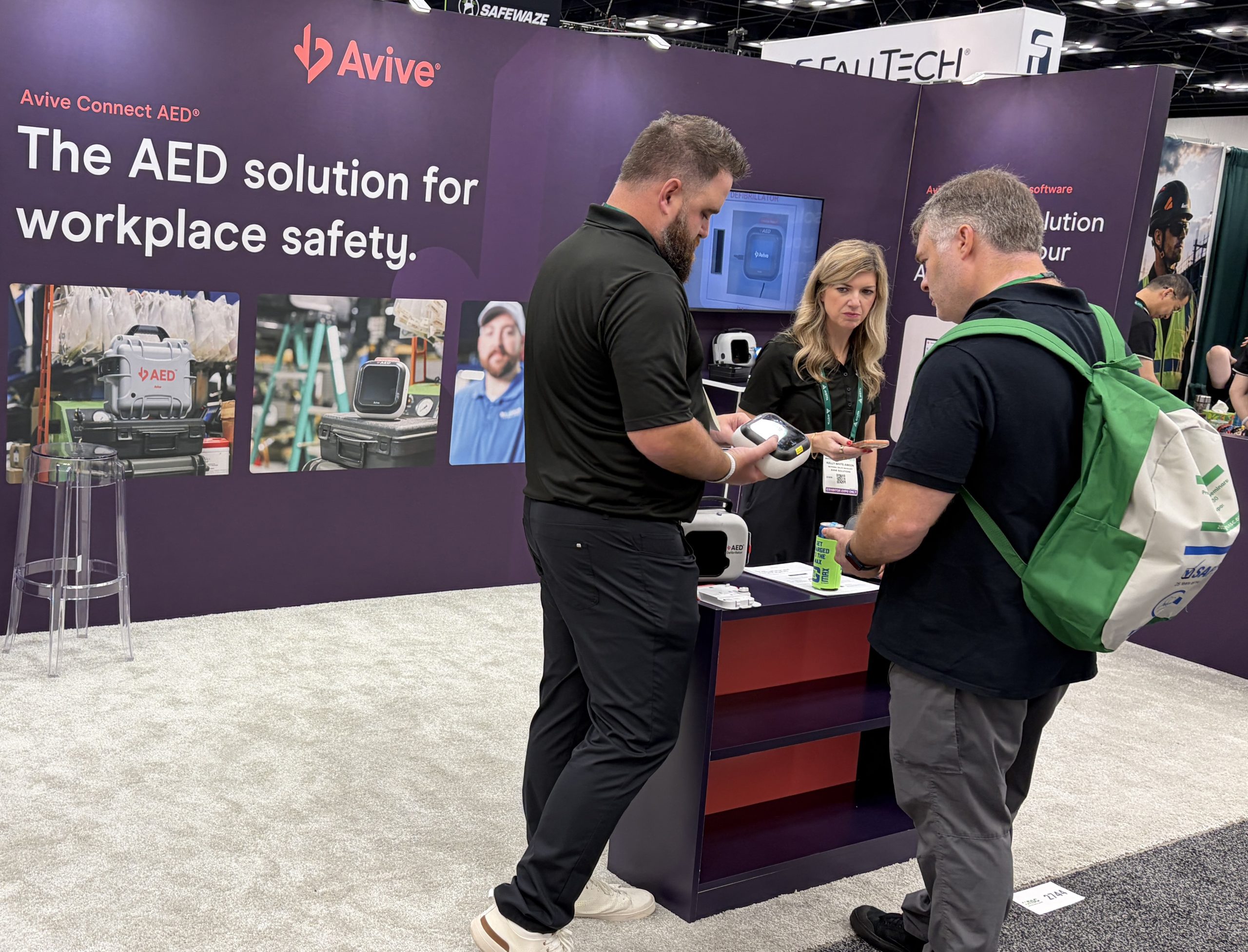
Avive AED
-
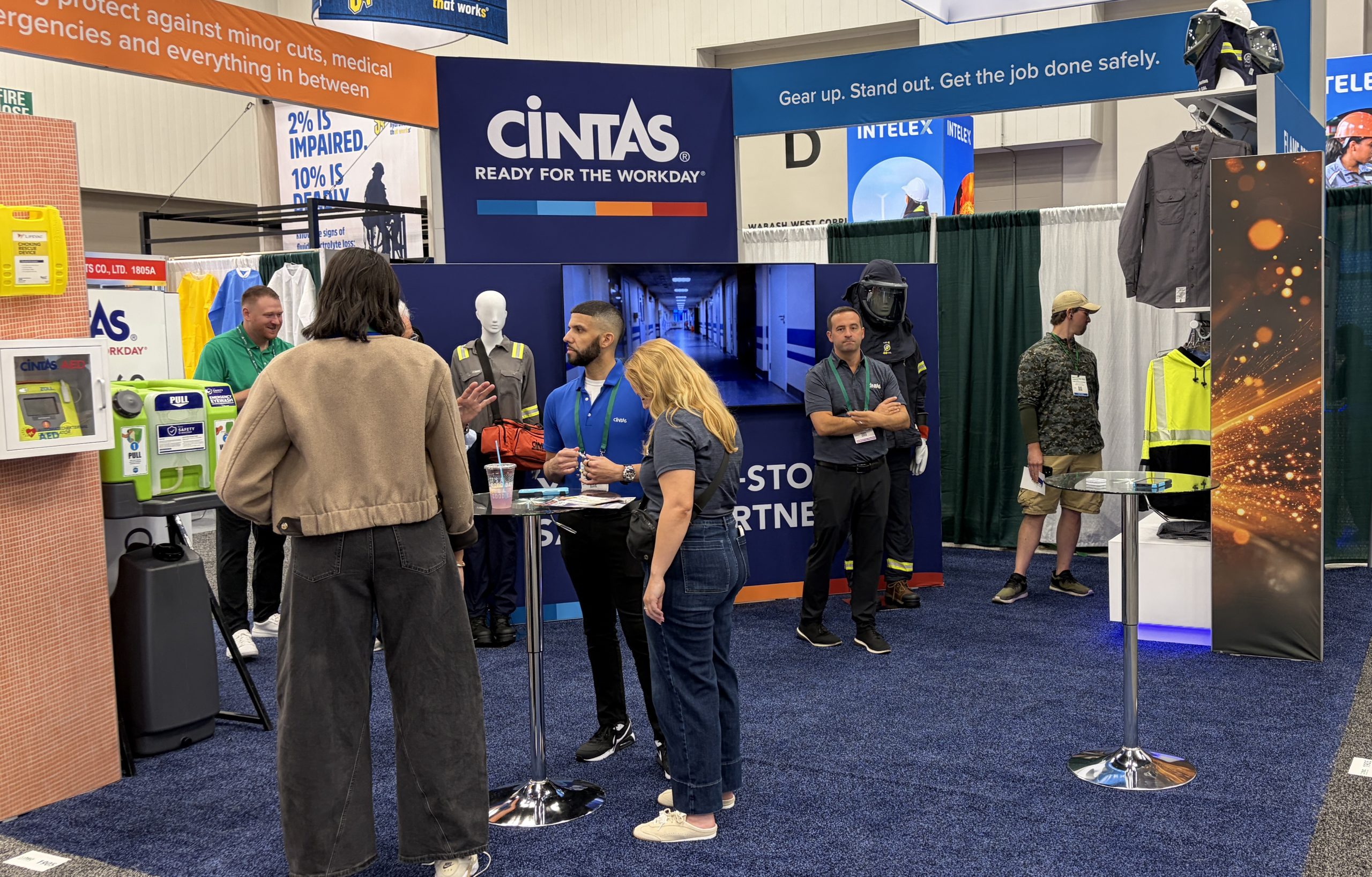
CintasBooth
-
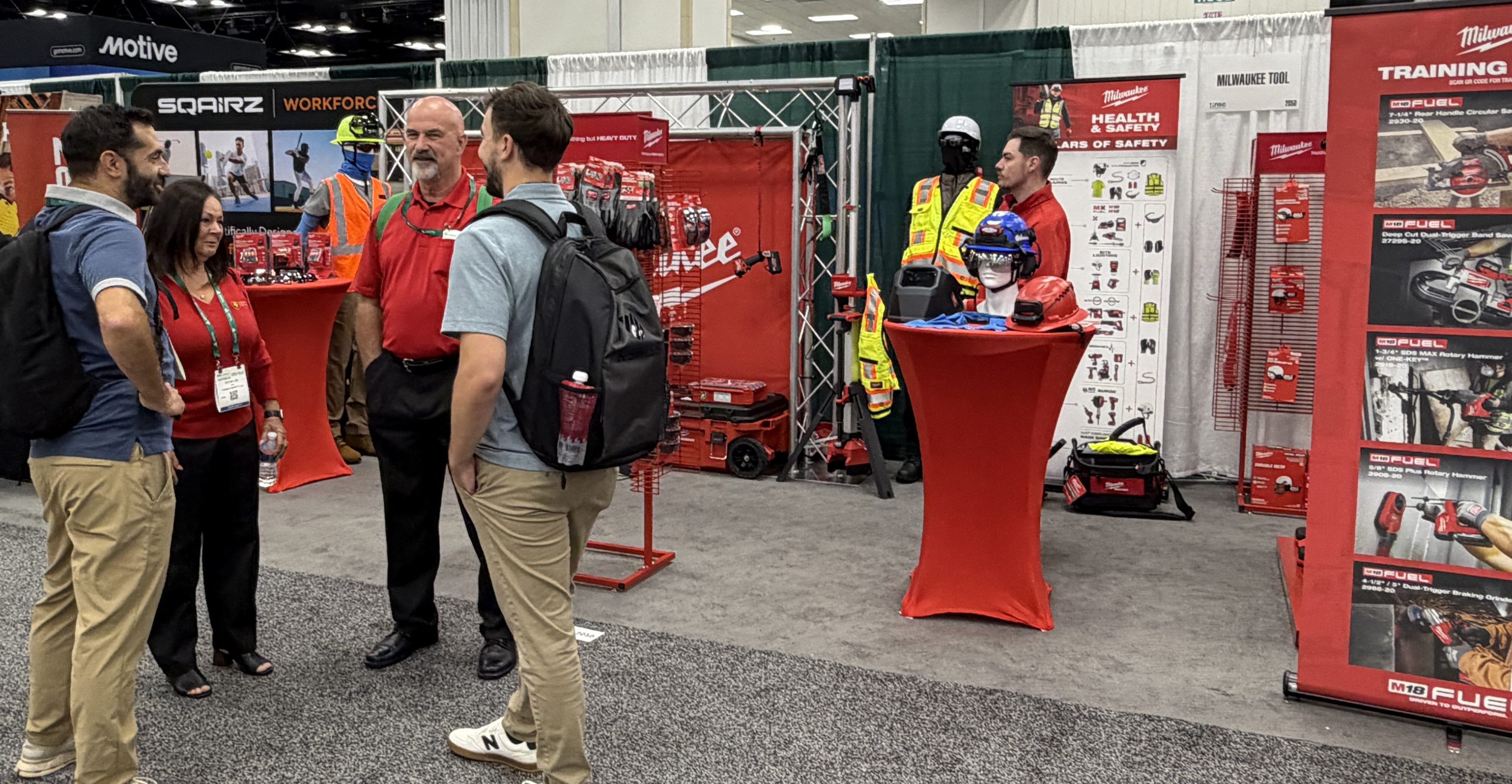
Milwaukee Tool
-
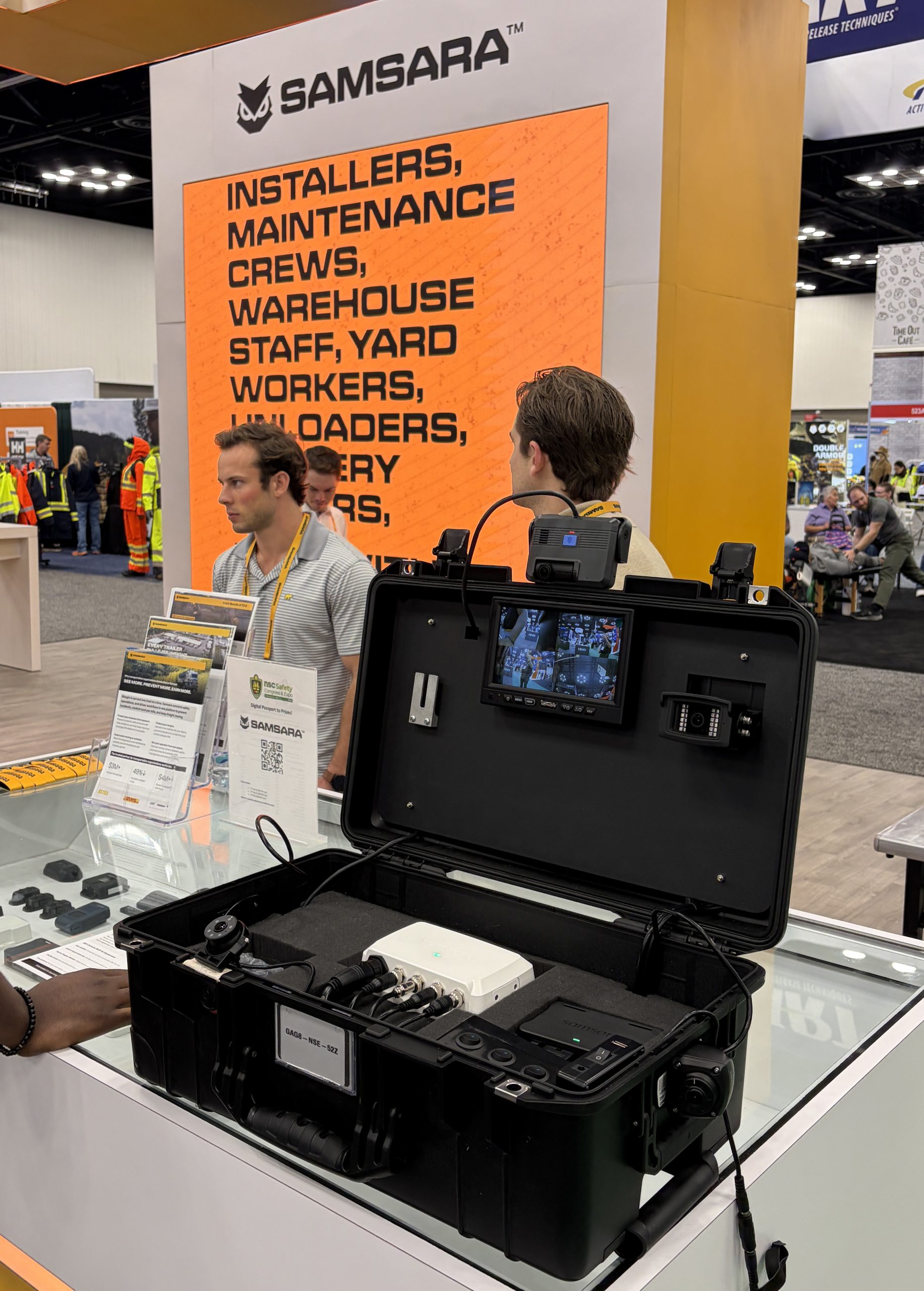
Samsara
-
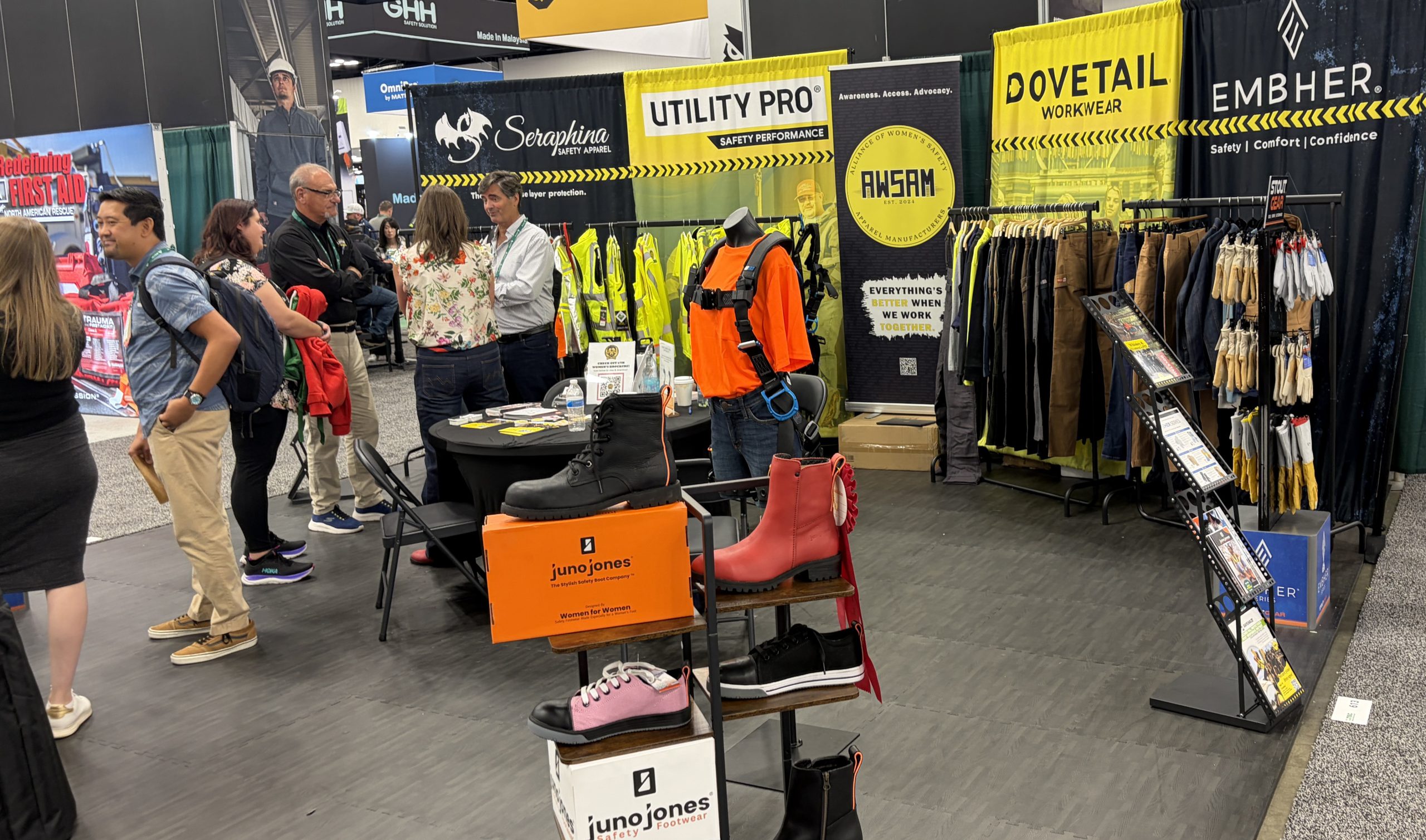
Seraphina Dovetail
-
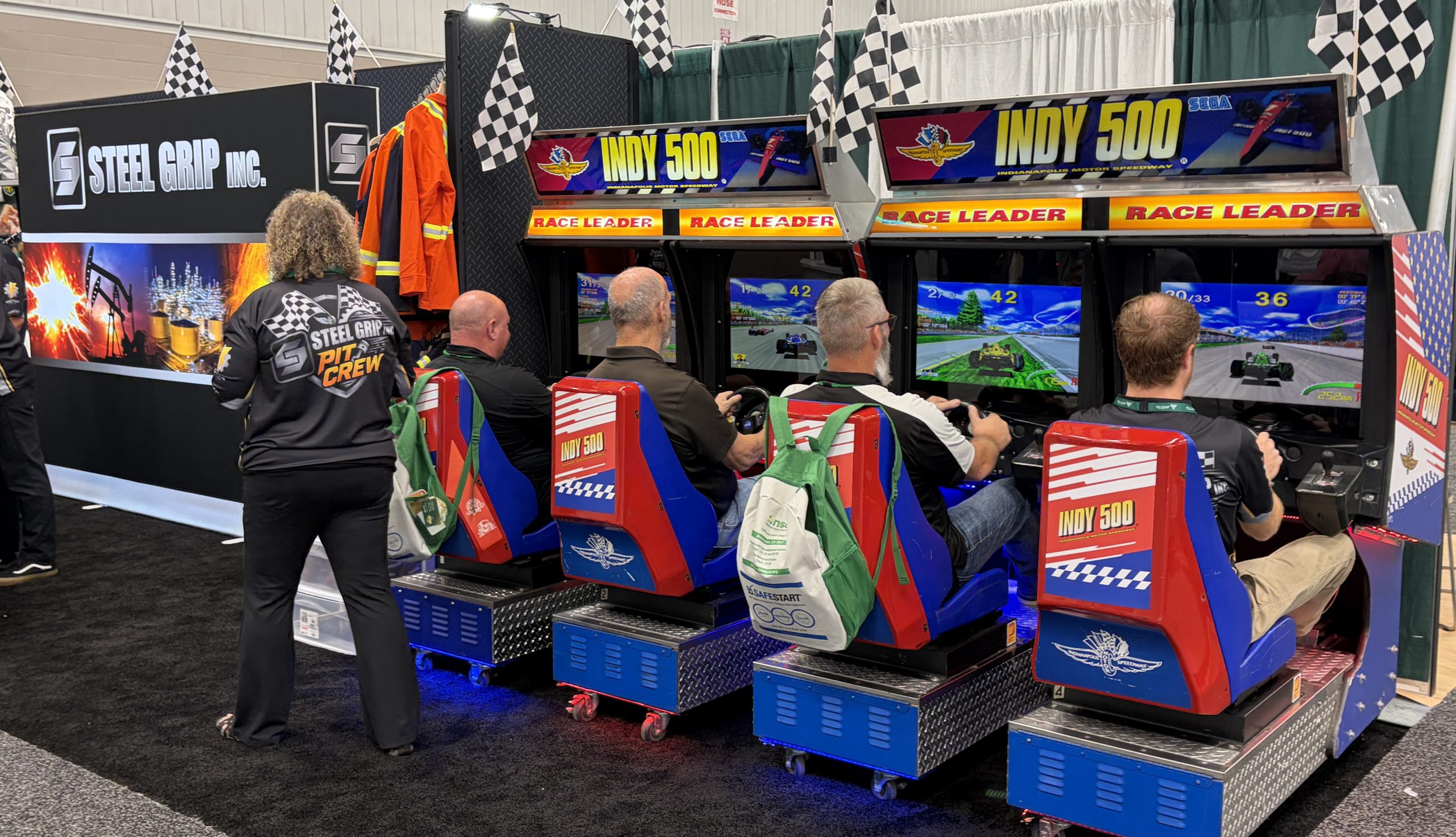
Steel Grip Indy
-
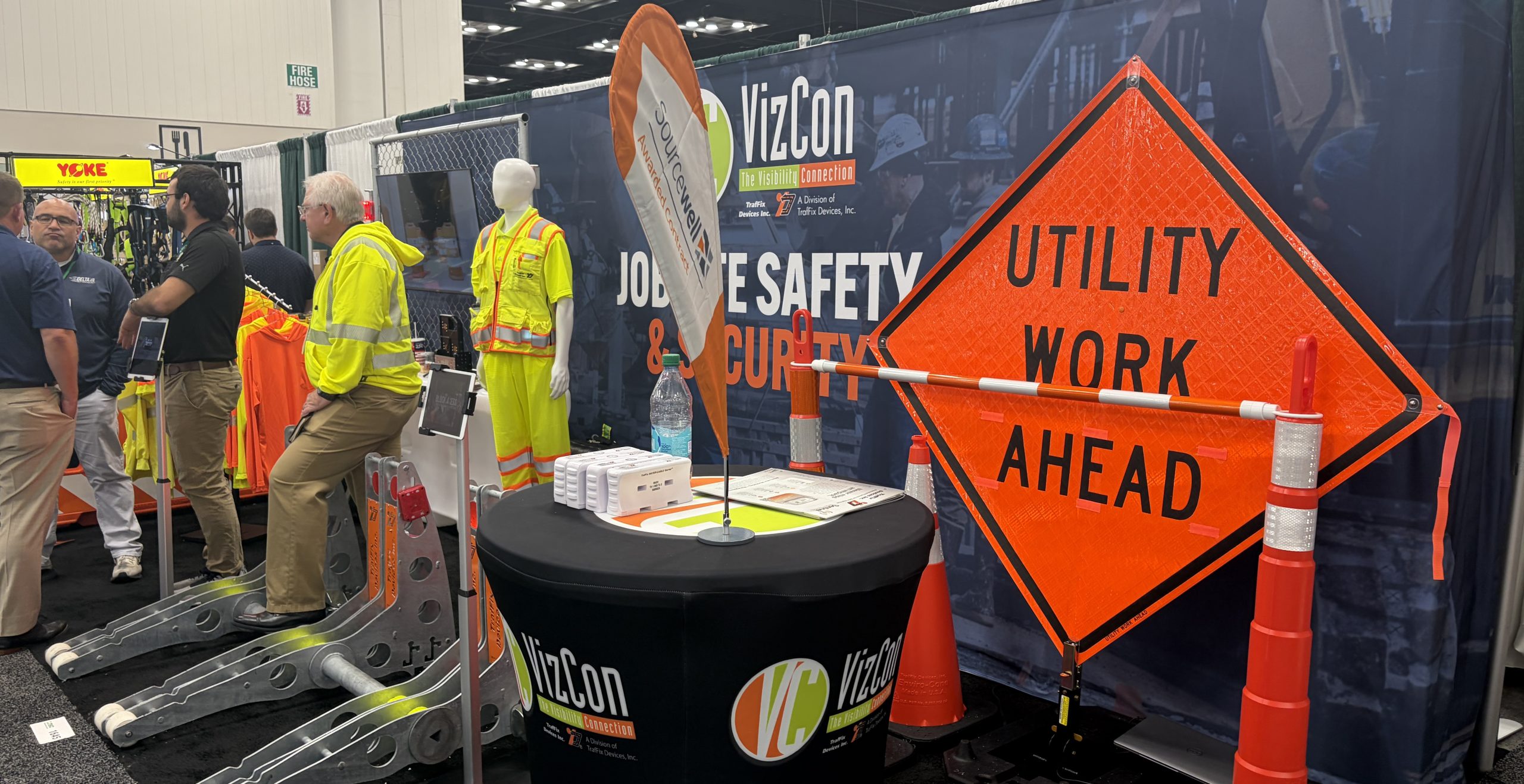
Traffix Devices VizCon
-
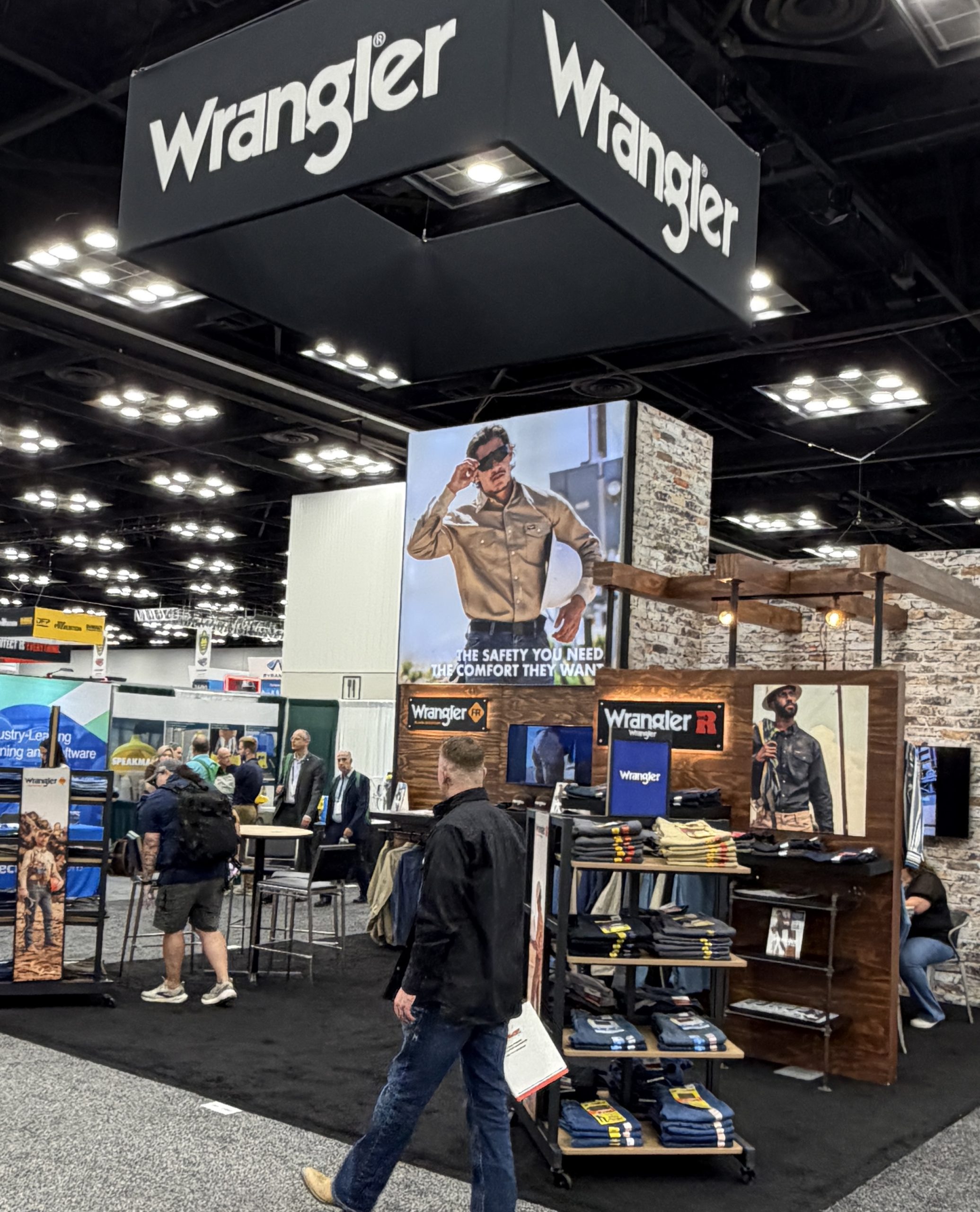
Wrangler
-
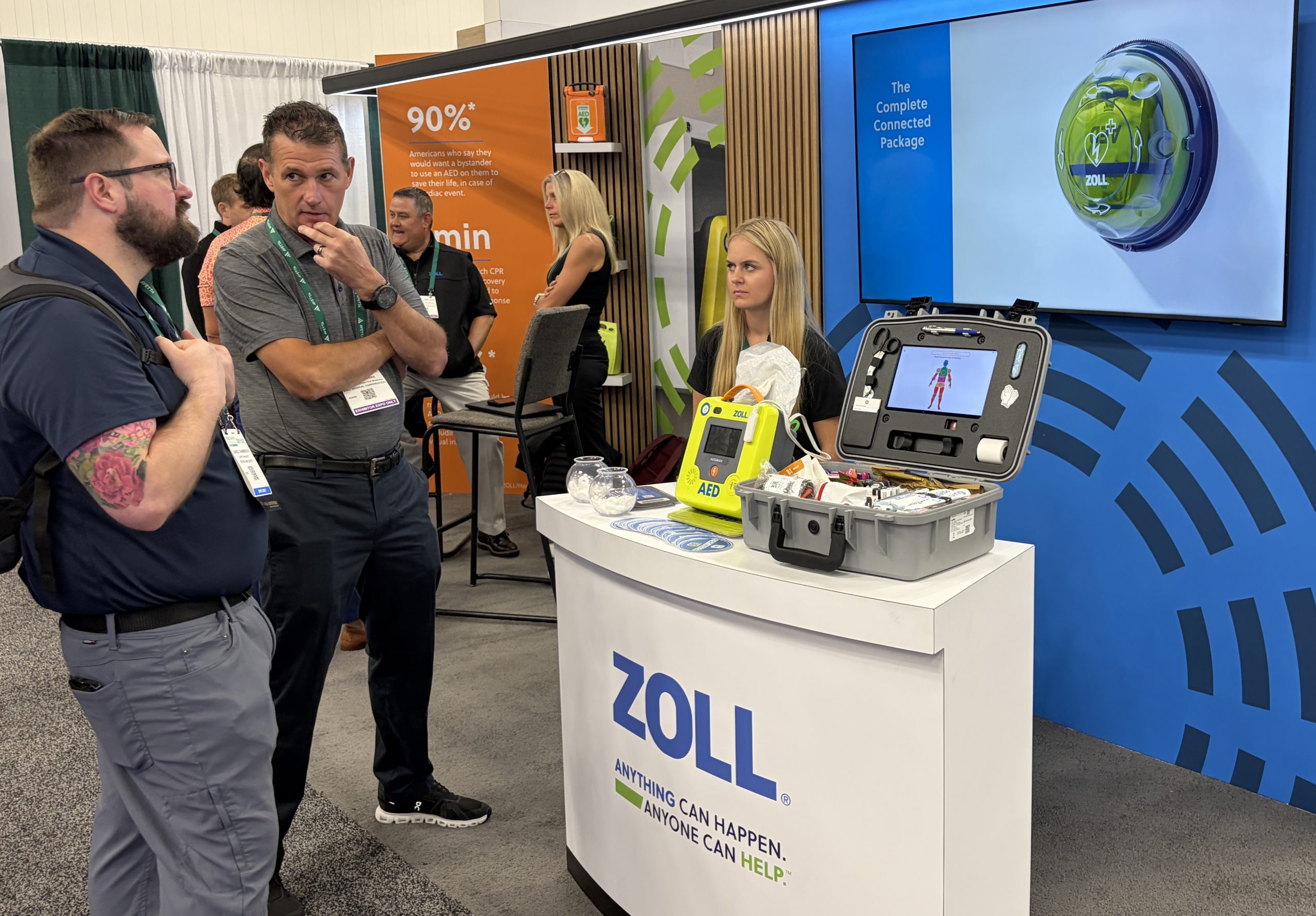
Zoll
-
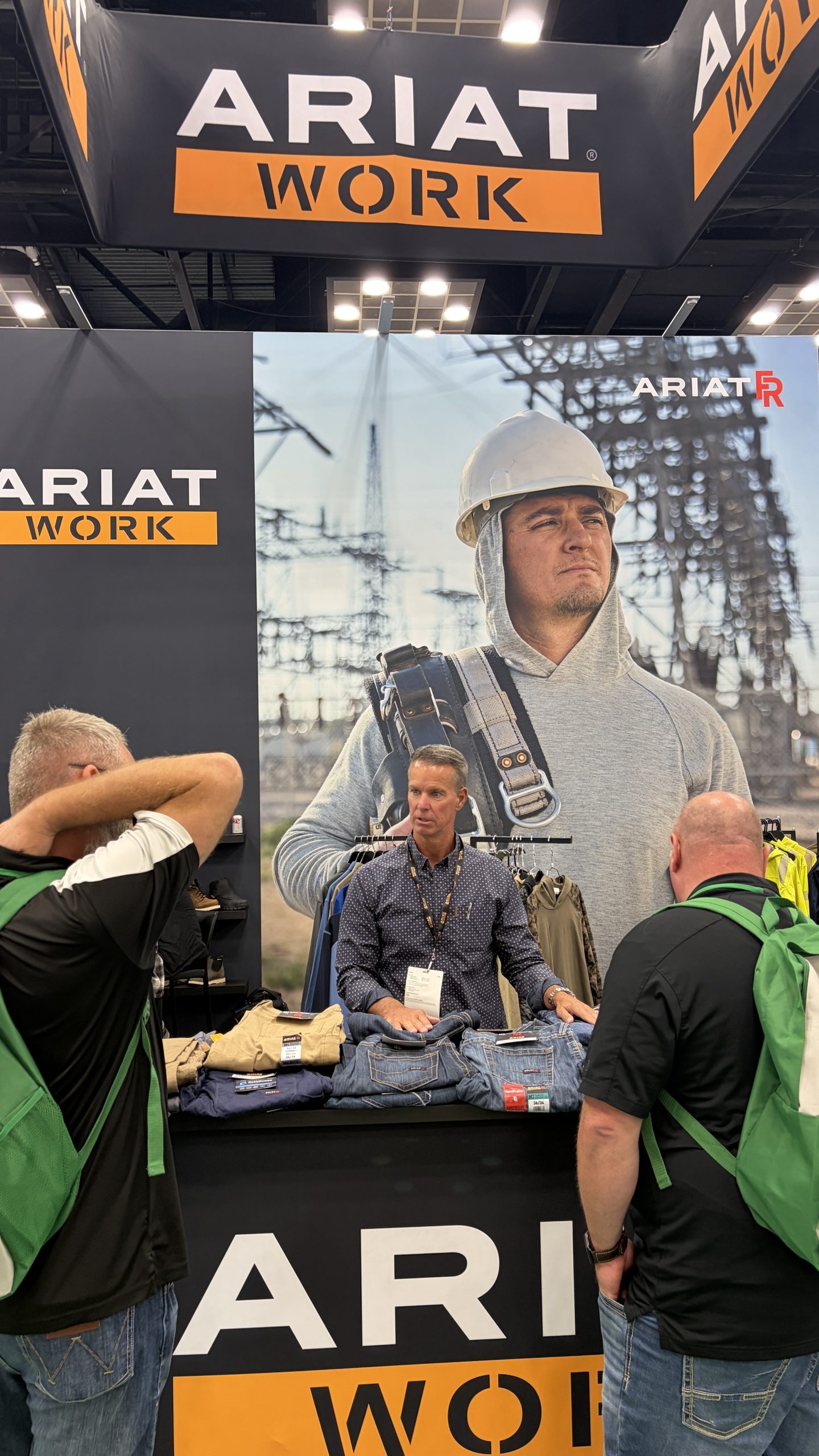
Ariat
-
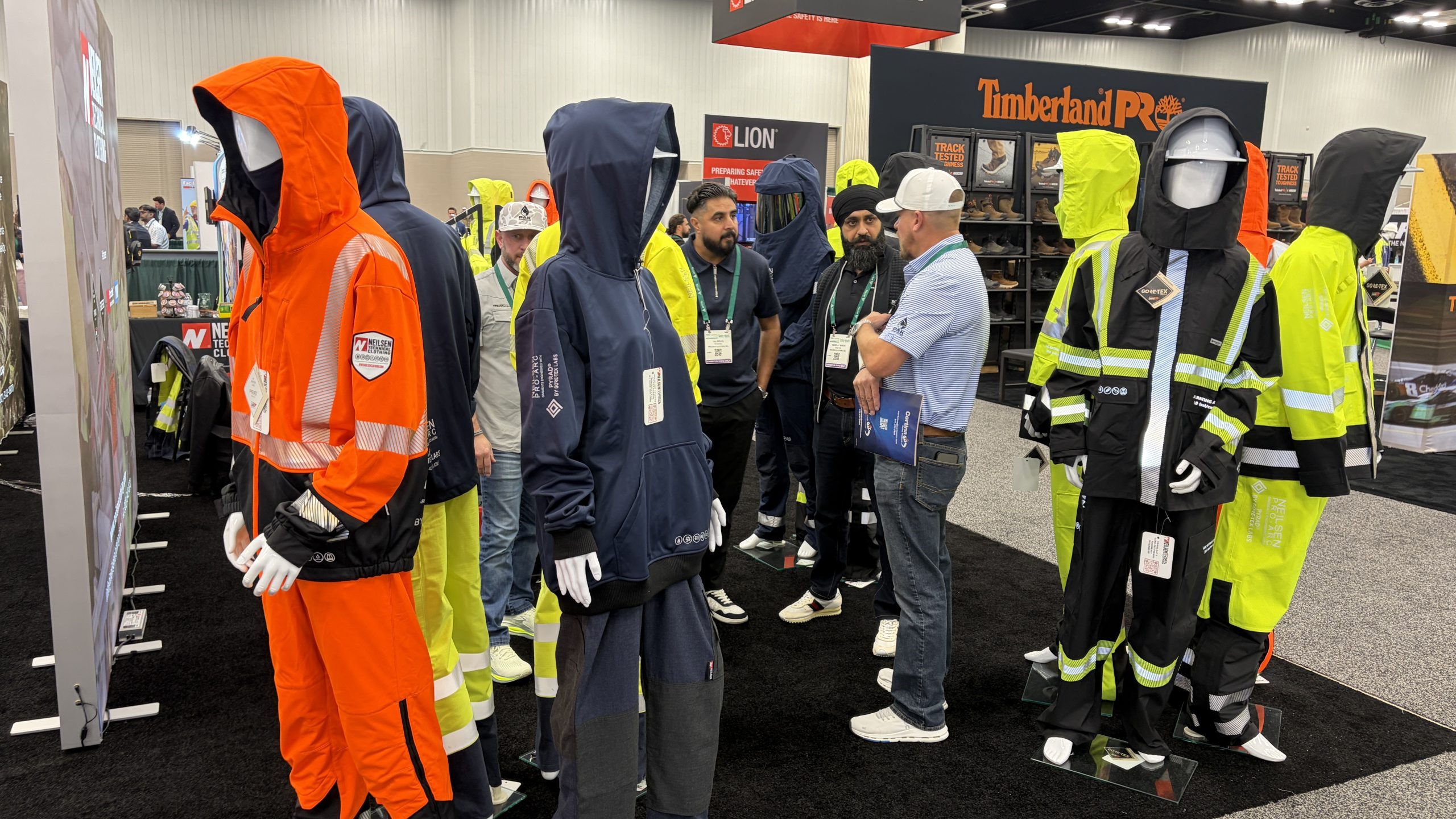
Neilsen Clothing
-
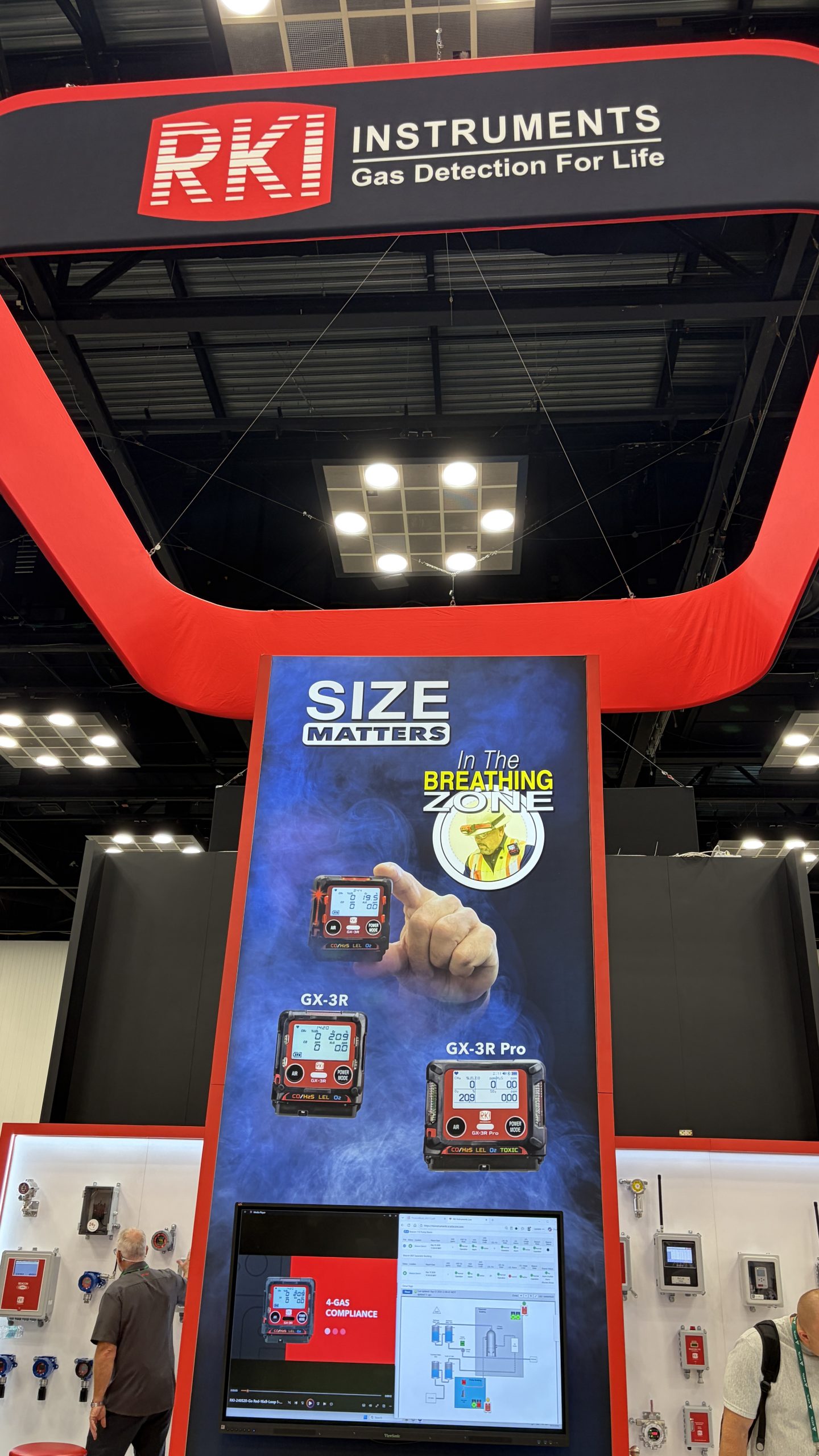
RKI
Hands-On Transformer Training
Three Phase Innovations designs and manufactures hands-on transformer training systems that help utilities, municipalities, contractors, colleges and apprenticeship programs develop safer, more confident lineworkers.
Training models use real transformers and secondary voltages to recreate field conditions in a controlled classroom environment, providing students with practical experience. Instructors can teach transformer theory; polarity; single- and three-phase connections; wye and delta banking; troubleshooting; and safe work practices using equipment that closely mirrors what students will encounter in the field.
Each training system is built for durability, portability and years of classroom use, supported by instructional materials that help standardize training for both apprentice and journeymen lineworkers. The combination of realistic equipment and structured instruction improves knowledge retention, increases student confidence and reinforces safe work habits. https://threephaseinnovations.com
Transformer Containment Bag System
Andax Industries’ Transformer Containment Bag System (TCBS) has received the Plant Engineering 2026 Product of the Year Bronze Award, recognizing the system as an innovative solution designed to improve utility crew safety, simplify transformer handling and support regulatory compliance.
Developed through direct collaboration with electric utilities, the TCBS provides crews and safety managers with a complete approach to safely lifting, moving, transporting and storing transformers. The system combines the Transformer Containment Bag with training meeting content, enhanced color-coded labeling for product size identification, and a risk mitigation checklist to help utilities integrate safer transformer-handling practices throughout their operations.
Together, these components help lower cleanup and disposal costs; mitigate risks of slips, trips and falls; ensure compliance; and, most importantly, help crews return home safely at the end of the day. www.andax.com
Short-Range 2D Radar System
Observation Without Limits (O.W.L.) has announced its upgraded GroundAware GA1360LH, a 2D, 360-degree digital multi-beamforming radar system. Now available, it distinguishes among humans, animals, and ground and water vehicles to detect targets of concern within and around critical sites.
Designed for ground and water surface applications, the GA1360LH is a powerful option to safeguard electrical transmission substations; power plants; natural gas compression stations; dams; water reservoirs; water treatment facilities; midstream oil and gas facilities; airports and seaports; rail facilities; mines; large-scale manufacturing plants; data centers; storage facilities; and more. www.owlknows.com
Insulator Tester
Greenlee, part of Emerson’s professional tools portfolio, has introduced the IT-5 Insulator Tester to help transmission crews quickly assess high-voltage insulator condition with confidence. Building on the company’s legacy in high-voltage insulator testing, the IT-5 offers next-generation capability, delivering immediate, reliable feedback in the field.
In addition to detecting internal dielectric failures in porcelain and glass suspension insulators, the IT-5 detects contamination on all surface types, including porcelain, glass and polymer/composite. Insulator degradation can lead to outages, equipment damage and significant risk exposure, making accurate testing critical to system reliability and worker safety. Crews use the IT-5 during maintenance, inspection and installation work to verify insulator performance before continuing line operations. www.greenlee.com/us/en/it-5-insulator-tester
Compression Connectors
Polaris has significantly expanded manufacturing capacity for the Compression Connector portfolio, reinforcing the brand’s commitment to supporting the growing demands of electrical infrastructure, data center and power distribution projects across North America.
The expansion further positions Polaris as a trusted source for power and grounding connections, backed by more than 40 years of proven performance and innovation. The brand’s compression connectors are engineered for strength, reliability and ease of installation, offering a comprehensive portfolio of copper and aluminum lugs, splices, taps, pin terminals and grounding solutions designed for demanding electrical applications.
Polaris connectors are UL listed for use with multiple major crimp tool brands. Design features include color-coded barrels; clearly marked conductor sizing; inspection windows; corrosion-resistant tin plating; and dual-rated aluminum/copper compatibility. https://nsiindustries.com/polaris-compression/
Utility Safety Podcast – Deep Dive – Choosing Courage Over Comfort on the Front Line Written By Daniel Cooper, CUSP
In this episode, we dive into the powerful concepts behind Daniel Cooper’s article, “Coaching Courage on the Front Line.” While the electrical and utility industries have advanced equipment and rigorous training, many safety failures still stem from a lack of courage rather than a lack of knowledge. Join us as we explore the inner strength it takes to challenge unsafe behaviors, utilize stop-work authority, and prioritize human lives over pride. We discuss how leaders can normalize speaking up, how job briefings can be used to foster psychological safety, and why addressing emotional and mental well-being is just as vital as physical safety in high-consequence environments. Tune in to learn how we can culturally train our workforce to consistently choose courage when comfort is the easier option.
Read the article: https://incident-prevention.com/blog/coaching-courage-on-the-front-line/
Key Takeaways
- Courage is a Muscle: Just like technical skills and safety procedures, the social courage to speak up, intervene, and navigate peer pressure can be intentionally developed and strengthened through repetition.
- The Comfort Trap: Human beings naturally crave comfort, which often tempts workers to stay quiet to avoid making waves or embarrassing themselves. True safety culture thrives in the space between social comfort and the courage required to protect lives.
- Transforming Job Briefings: Job briefings shouldn’t just be paperwork exercises. They are critical opportunities to establish psychological safety and send the message that every crew member’s voice and concerns matter.
- Leadership Vulnerability is Key: Instructors and leaders who model humility and openly share their own past mistakes foster trust. This gives young workers the permission to be human and the confidence to communicate without fear.
- Emotional Safety Equals Physical Safety: The industry must stop separating physical safety from emotional safety. A worker distracted by mental exhaustion or a personal crisis is a risk on the job site; the courage to stop an unsafe job is the exact same fortitude needed to check on a coworker’s mental health.
Questions & Answers
Q1: Why do workers often hesitate to use their stop-work authority even when they spot a clear hazard? A1: Invoking stop-work authority requires immense social courage on top of procedural knowledge. Workers—especially apprentices—may hesitate because they fear ridicule, retaliation, or missing a production deadline. To fix this, management must actively foster a working environment where speaking up is not only accepted but expected and respected.
Q2: How does a worker’s emotional or mental state impact job site safety?
A2: In high-consequence environments, distraction can be fatal. A worker struggling with a personal crisis, depression, or mental exhaustion is at a significantly higher risk for an incident. Truly protecting employees means communicating past ego and utilizing the same courage required for physical safety interventions to check on a teammate’s emotional well-being.
#SafetyCulture #FrontlineLeadership #UtilitySafety #WorkplaceCourage #MentalHealthInTrades
Utility Safety Podcast – Switchgear Safety & Breaking the “Tribal Knowledge” Habit with George Cole Part 2
In high-voltage environments, what you can’t see can kill you. While traditional open-air substations display their isolation points and energized components out in the open, enclosed switchgear conceals its dangers behind metal panels and doors. In this episode, we sit down with industry safety expert George T. Cole (CUSP, CESCP, CESW, CIT, SGE) to dissect why switchgear design creates unique, deadly hazards—from complex internal cross-connects to the explosive threat of an “Arc-in-a-Box”.
George breaks down the crucial difference between OSHA’s often misunderstood term “deenergized” and NFPA 70E’s 8-step process for establishing an Electrically Safe Work Condition (ESWC). We examine real-world case studies where simple, routine jobs nearly turned fatal due to human error precursors like overconfidence, poor work order instructions, and an overreliance on “tribal knowledge”. Finally, we explore how utility safety professionals can elevate their careers and eliminate the dangerous “we’ve always done it that way” mindset through the Utility Safety & Ops Leadership Network (USOLN) and the Certified Utility Safety Professional (CUSP) credential.
Key Takeaways
-
Unique Design = Unique Hazard: Unlike traditional open-air substations where clearance points and conductors are visible, switchgear conceals energized parts behind panel doors, placing workers inside shock boundaries or minimum approach distances the moment a cover is removed.
-
Compliance is Only the Bare Minimum: Relying solely on OSHA regulations helps avoid fines, but ESFI injury data shows it isn’t enough to stop severe electrical shocks and burns in the utility sector.
-
Transition to ESWC: Rather than assuming equipment is safe because it is labeled “deenergized,” crews must complete NFPA 70E’s systematic 8-step process to verify an Electrically Safe Work Condition (ESWC).
-
Live-Dead-Live Protocol: Performing Live-Dead-Live voltage testing at each specific point of work and before moving between internal compartments serves as a vital final barrier against electrical accidents.
-
Eliminate “Tribal Knowledge”: Relying on informal habits, handwritten notes on cabinet doors, or the mindset of “we’ve always done it that way” are primary error precursors that lead to catastrophic failures.
Questions & Answers
Q1: Why is the term “deenergized” so easily misunderstood in high-voltage switchgear work, and how does NFPA 70E solve this?
Answer: OSHA defines “deenergized” as being free from electrical connections to a voltage source. However, under OSHA utility regulations, equipment operating above 600V must also have correctly installed Temporary Protective Grounds (TPGs) forming an Equipotential Zone (EPZ) before it can be worked on as deenergized. Without TPGs, it must still be treated as energized. NFPA 70E removes this ambiguity by replacing subjective assumptions with an Electrically Safe Work Condition (ESWC)—a strict, mandatory 8-step verification process that requires reviewing up-to-date drawings, isolating all feeds, testing for absence of voltage at each point of work, and applying grounds.
Q2: What human performance factors contributed to the near-fatal switchgear incidents highlighted in the case studies?
Answer: In the presentation’s case studies, the primary human error precursors included inaccurate risk perception, overconfidence, complacency, high workloads, and poorly written work orders. In one case, an electrician relied on an unauthorized handwritten note on a cabinet door, which caused him to miss exposed, uninsulated 13.8kV wires in an adjacent cubicle. Both incidents highlighted that the single biggest driver of electrical accidents is an over-reliance on “tribal knowledge” and a culture that accepts the paradigm “we’ve always done it that way.”
Learn more, view the schedule, or register for the event at the iP Utility Safety Conference & Expo.
Connect with George Cole – https://www.linkedin.com/in/george-cole-cescp-cusp-cesw-cit-sge-57921851/
#ElectricalSafety #UtilitySafety #SwitchgearHazards #CUSP
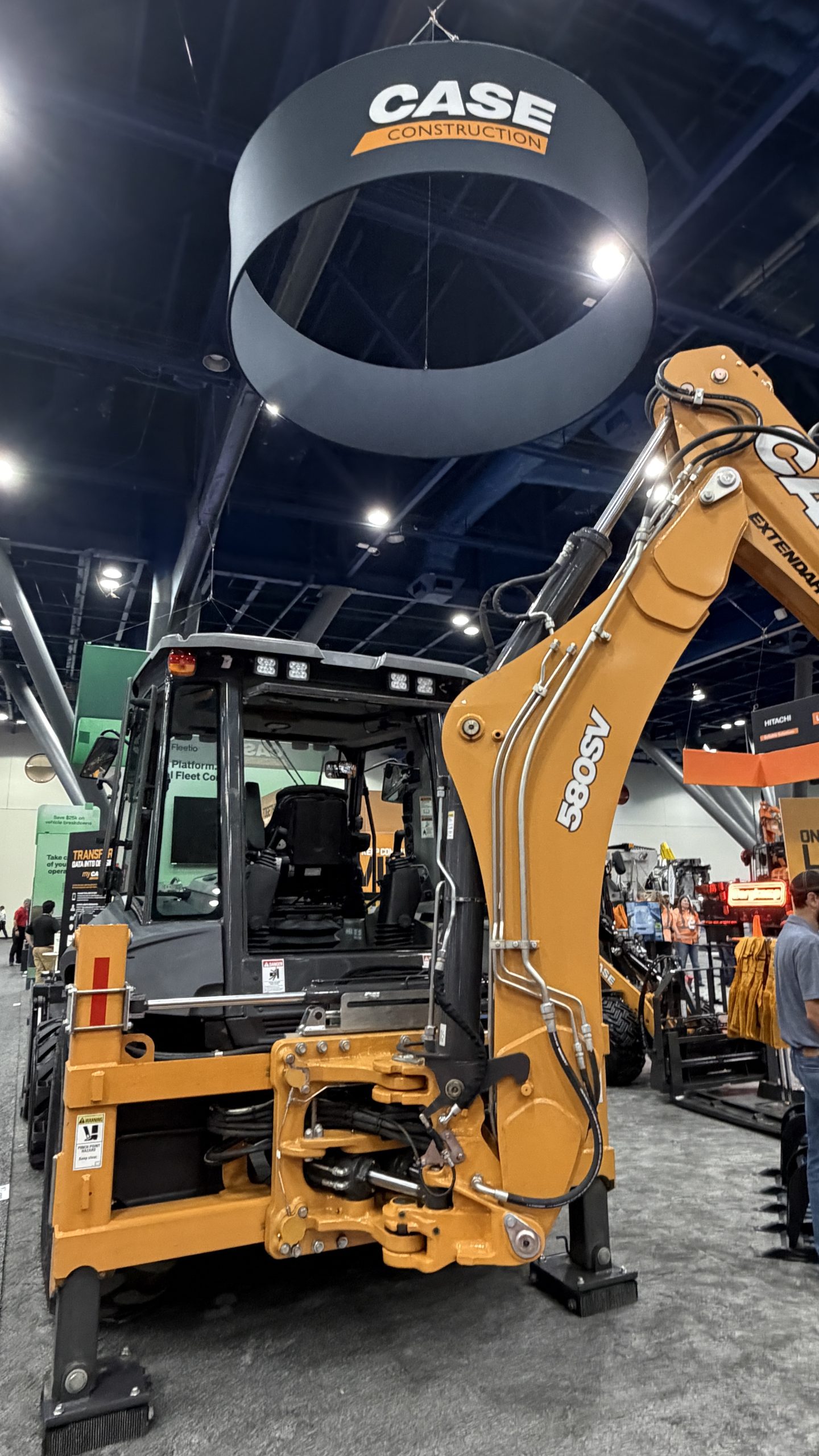
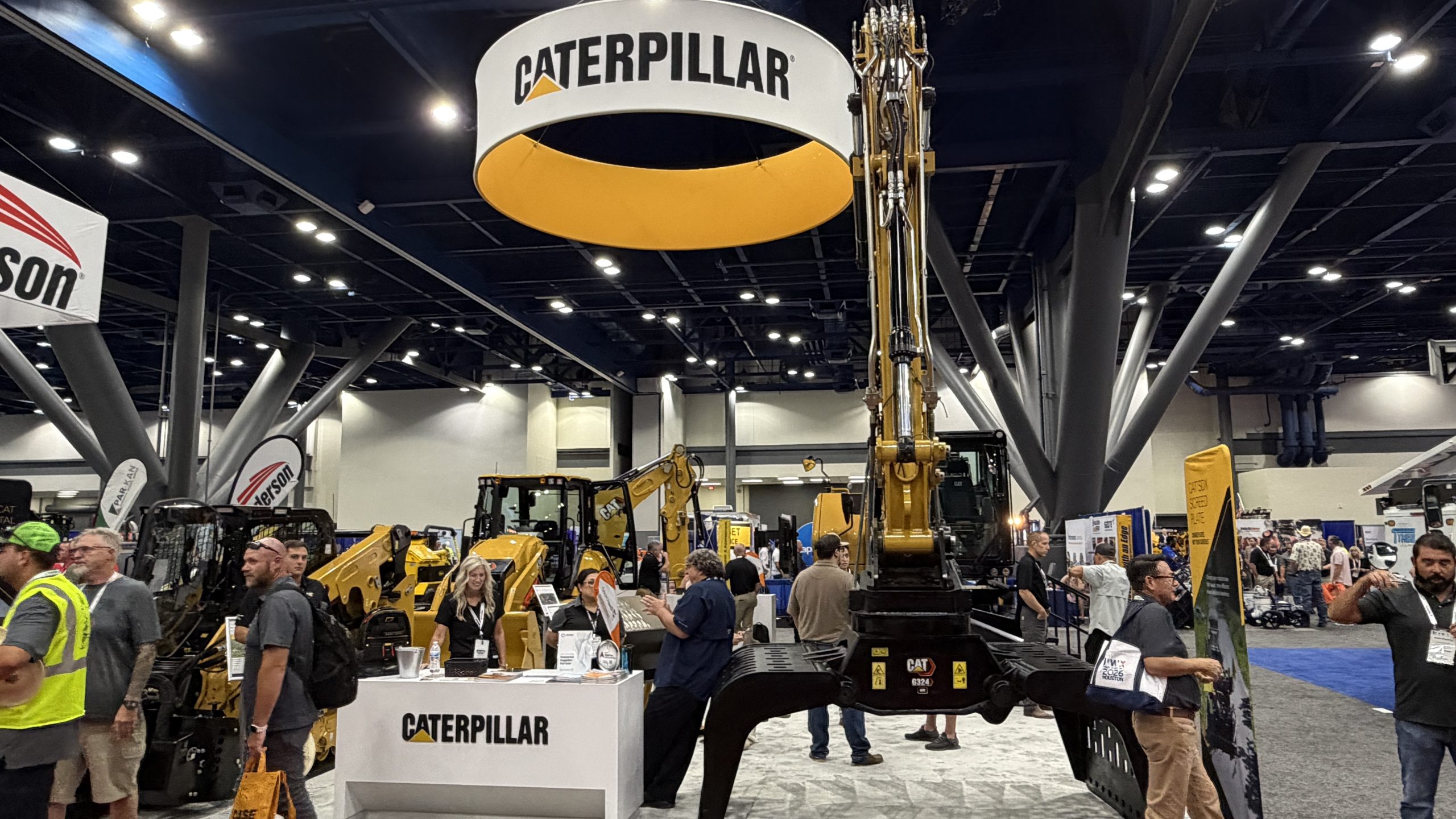
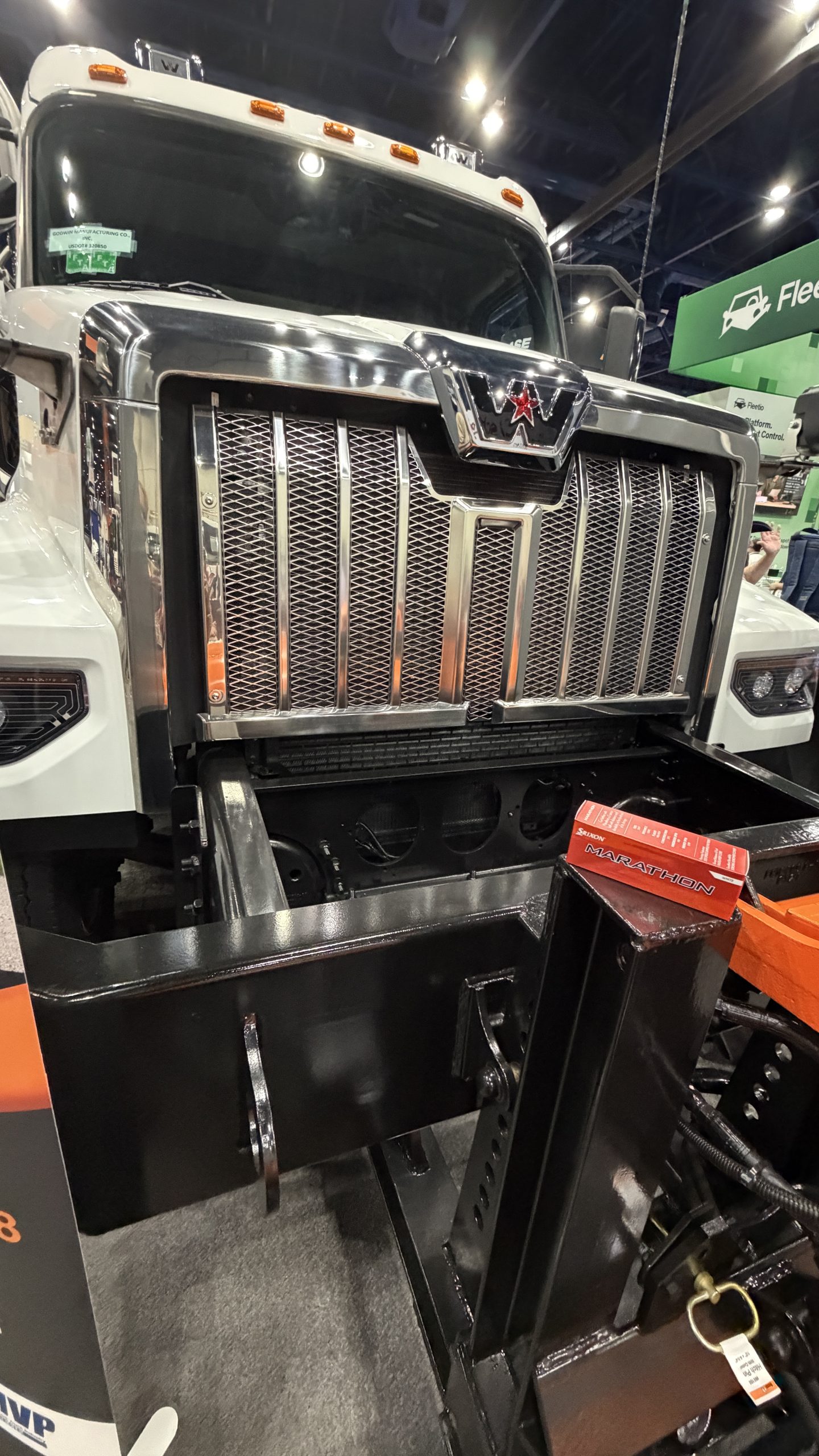
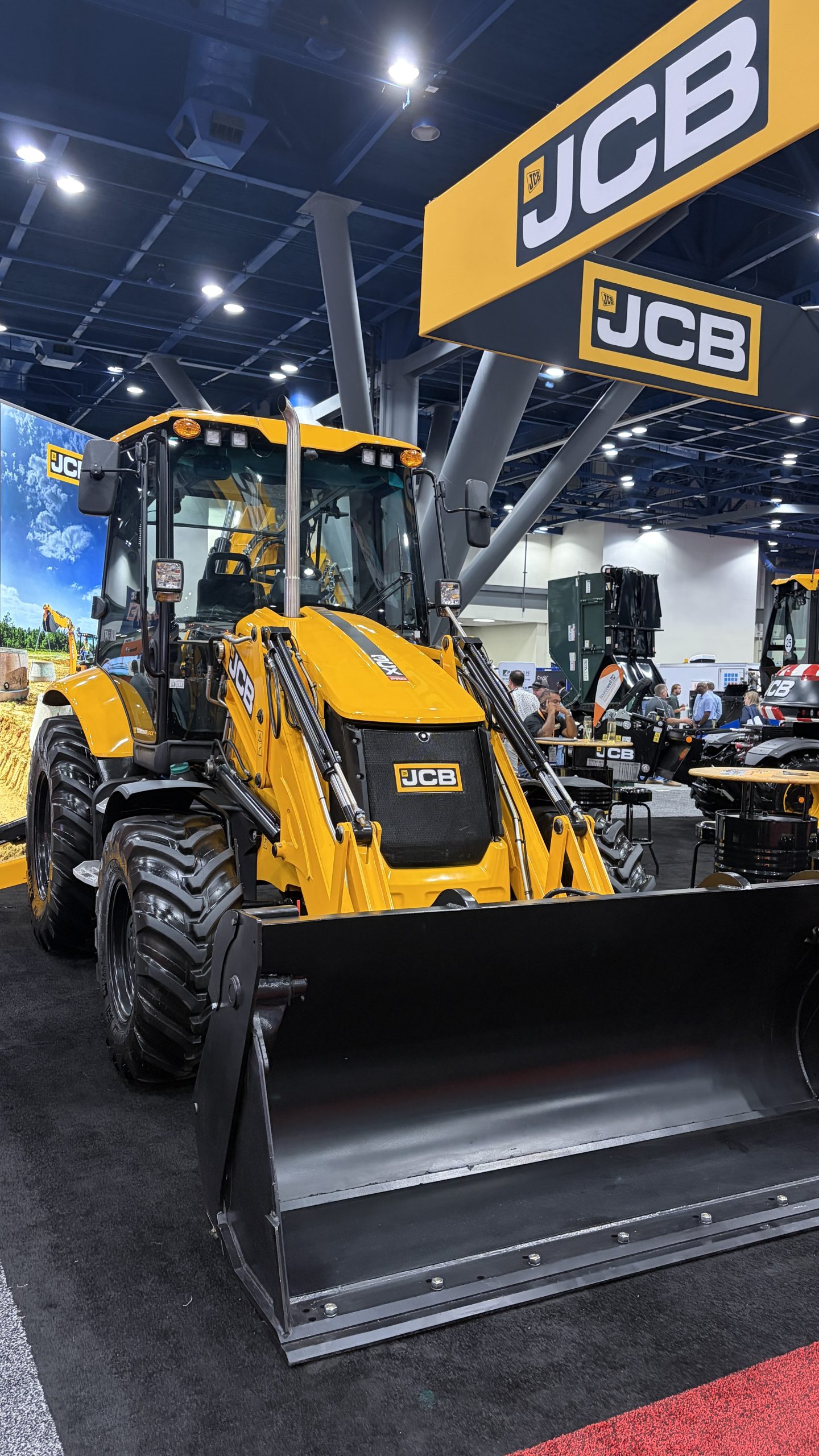
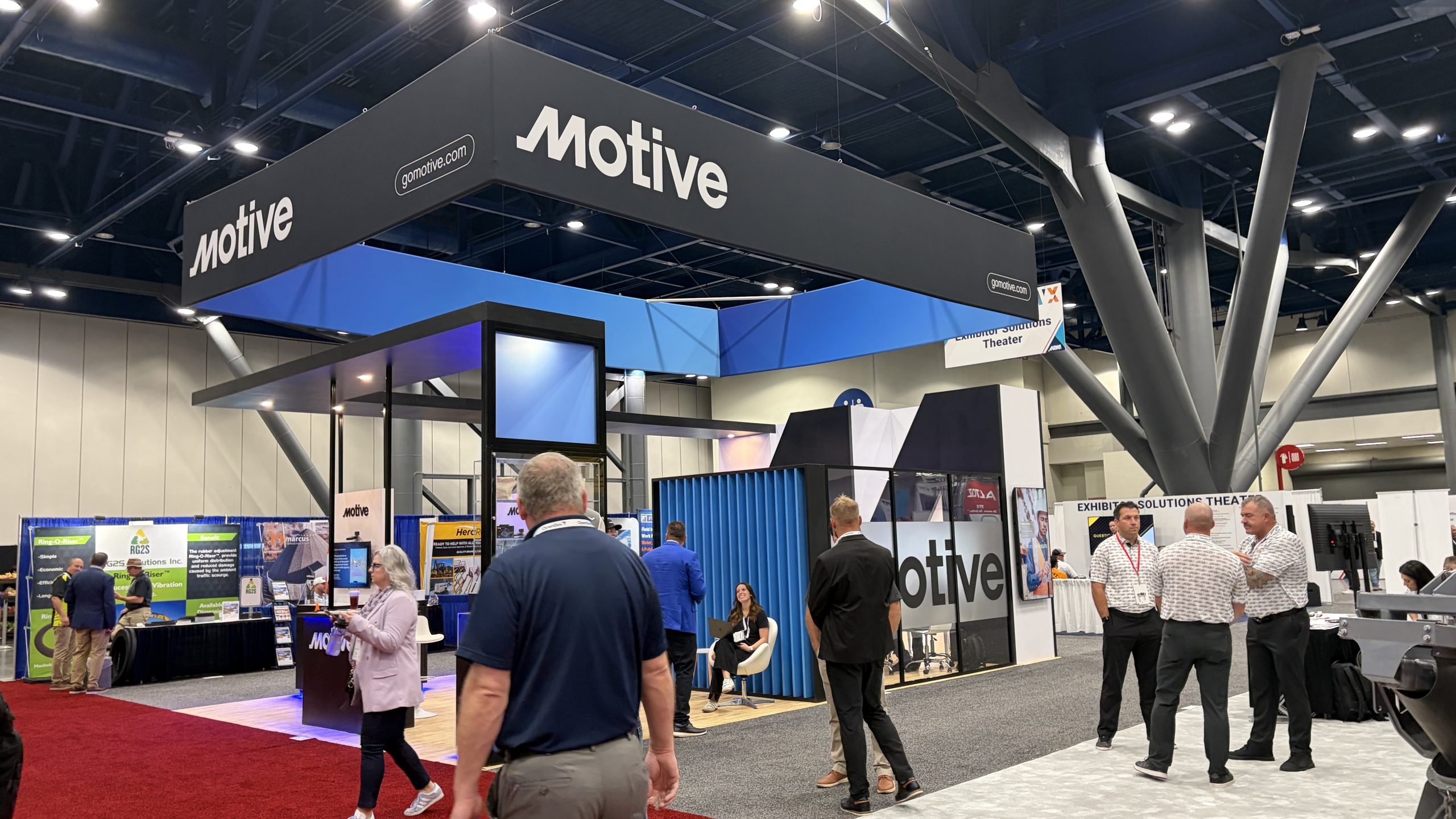
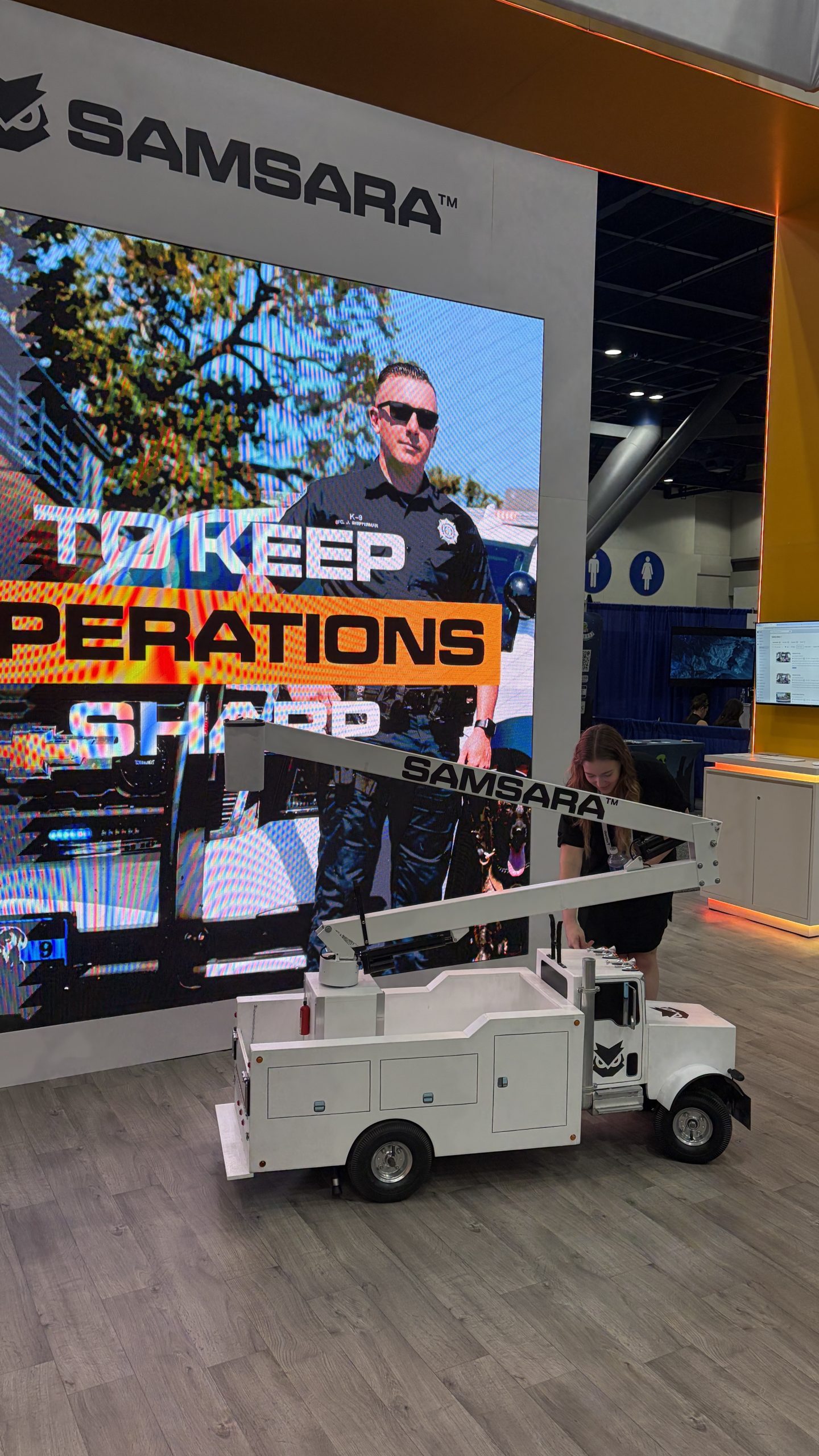
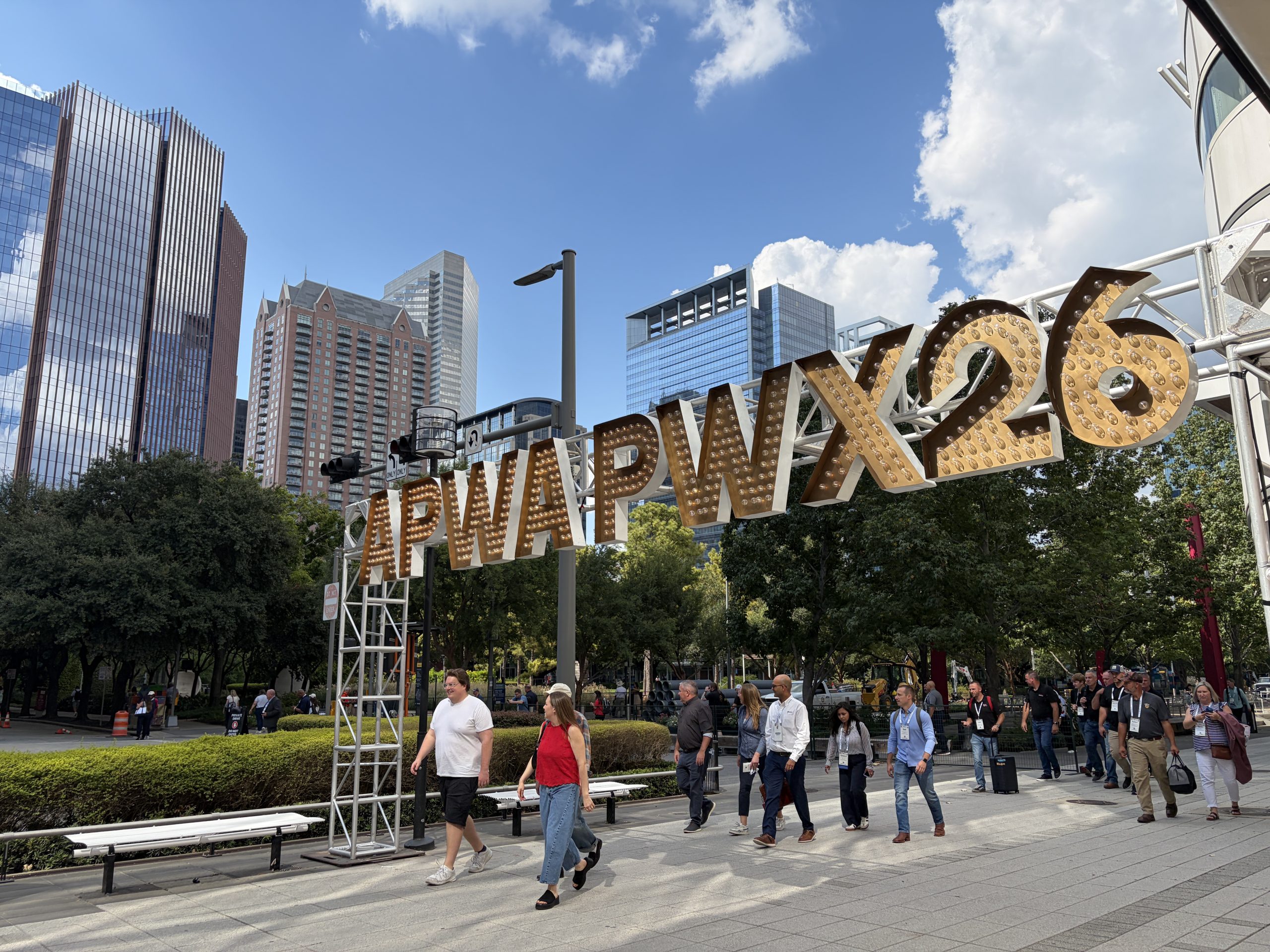
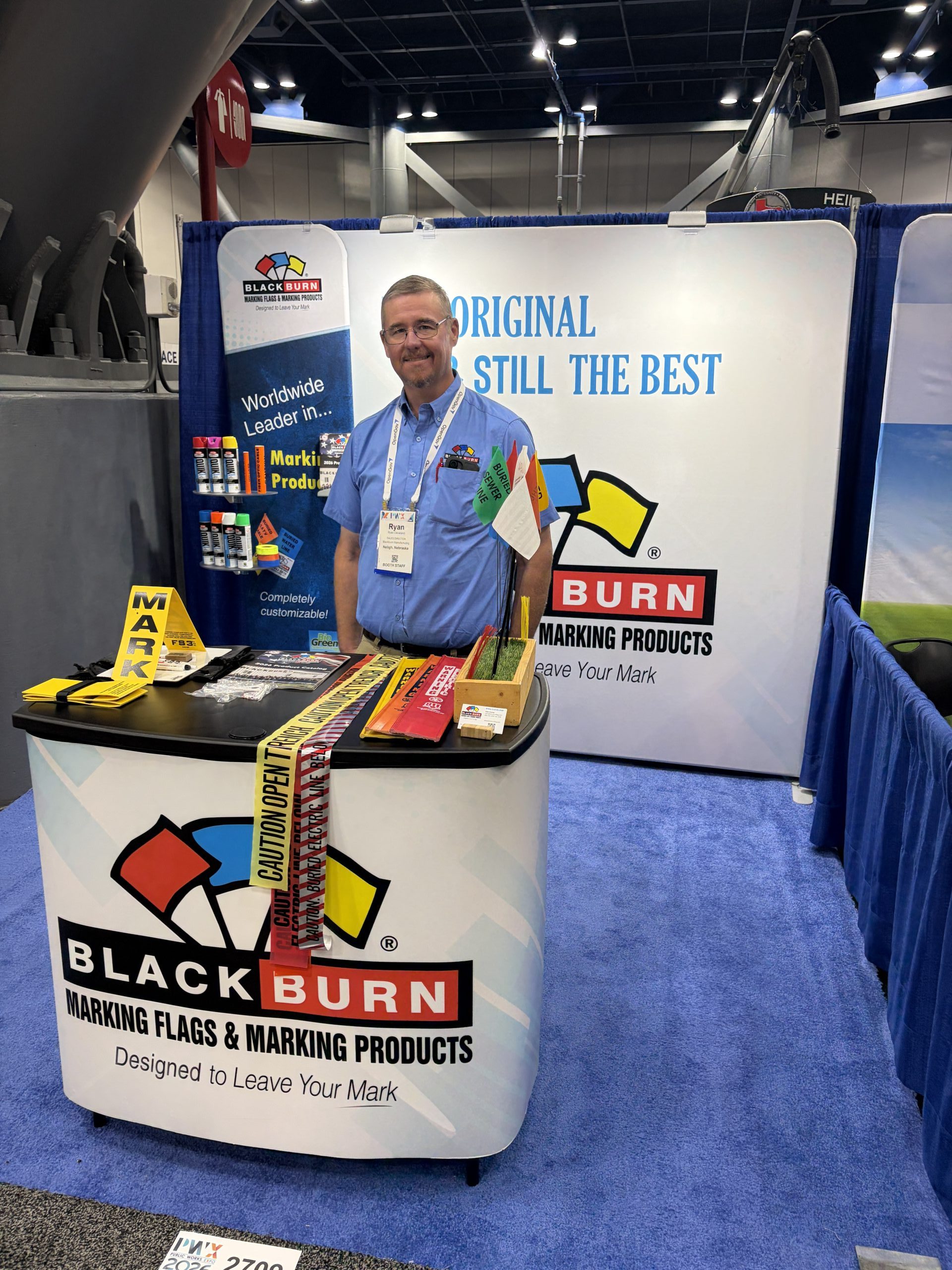
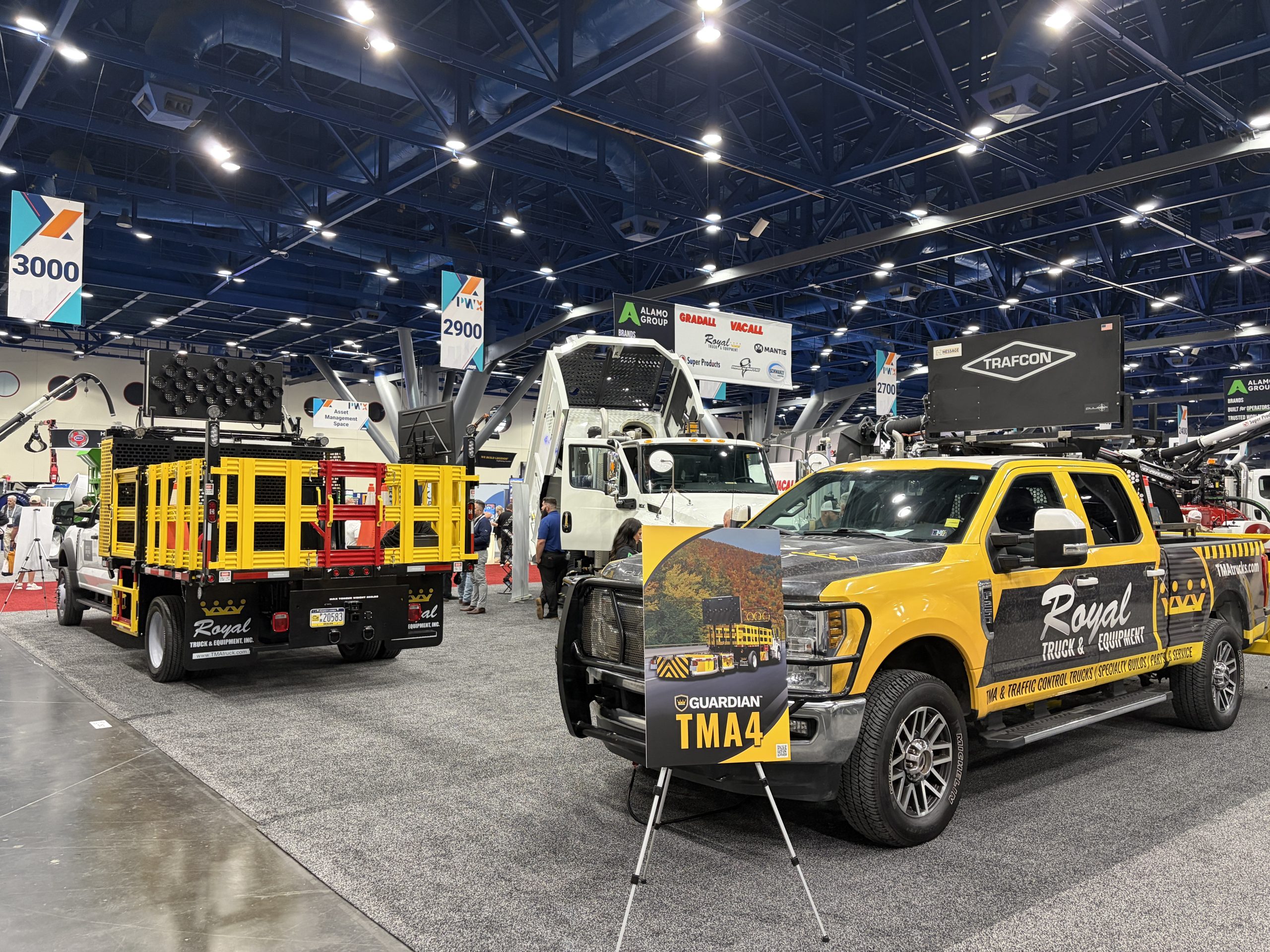
On-Site at APWA PWX 2026: Connect with Incident Prevention in Houston
On-Site in Houston at APWA PWX 2026!
It has been an incredible and busy first two days here at the
Incident Prevention is live on-site! Associate Publisher Kurt Moreland is walking the show floor, connecting with attendees, and discussing the latest strategies in utility safety, risk management, and fleet operations.
It’s exciting to see so many of our advertisers exhibiting and showcasing cutting-edge safety technologies, protective equipment, and operational solutions designed to keep crews safe in the field.
If you’re attending the conference, make sure to catch up with Incident Prevention! Find Kurt on the floor or stop by our booth to say hi, pick up the latest industry insights, and let us know how your show is going.
Learn more about the event here:
We look forward to connecting with you!
#IncidentPrevention #APWAPWX #PWX2026 #UtilitySafety #WorkplaceSafety #PublicWorks #HoustonEvents #SafetyFirst
-
IMG_9122
-
IMG_9121
-
IMG_9119
-
IMG_9118
-
IMG_9116
-
IMG_9115
-
IMG_9107
-
IMG_9098
-
IMG_9093
-
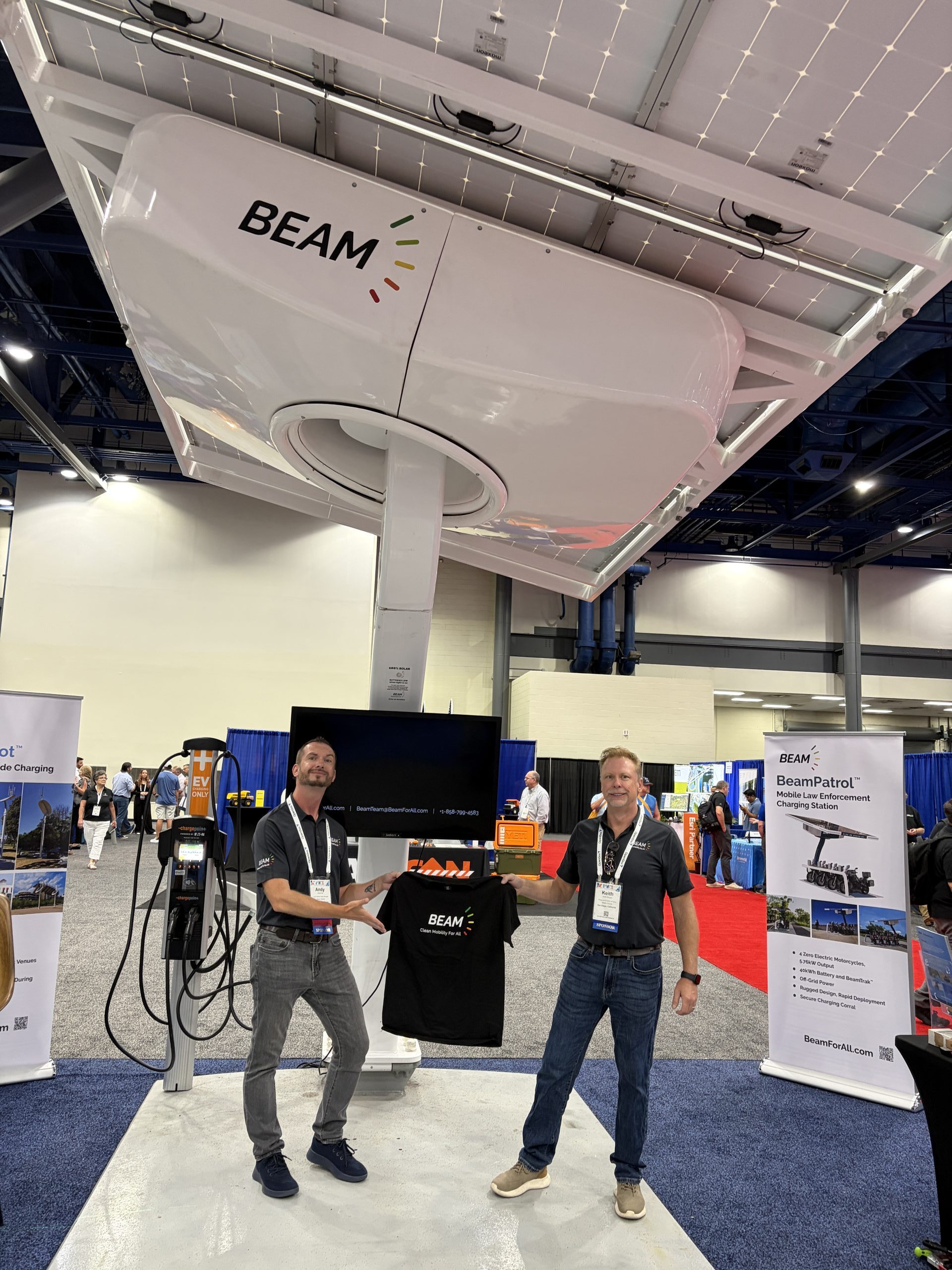
IMG_9089
-
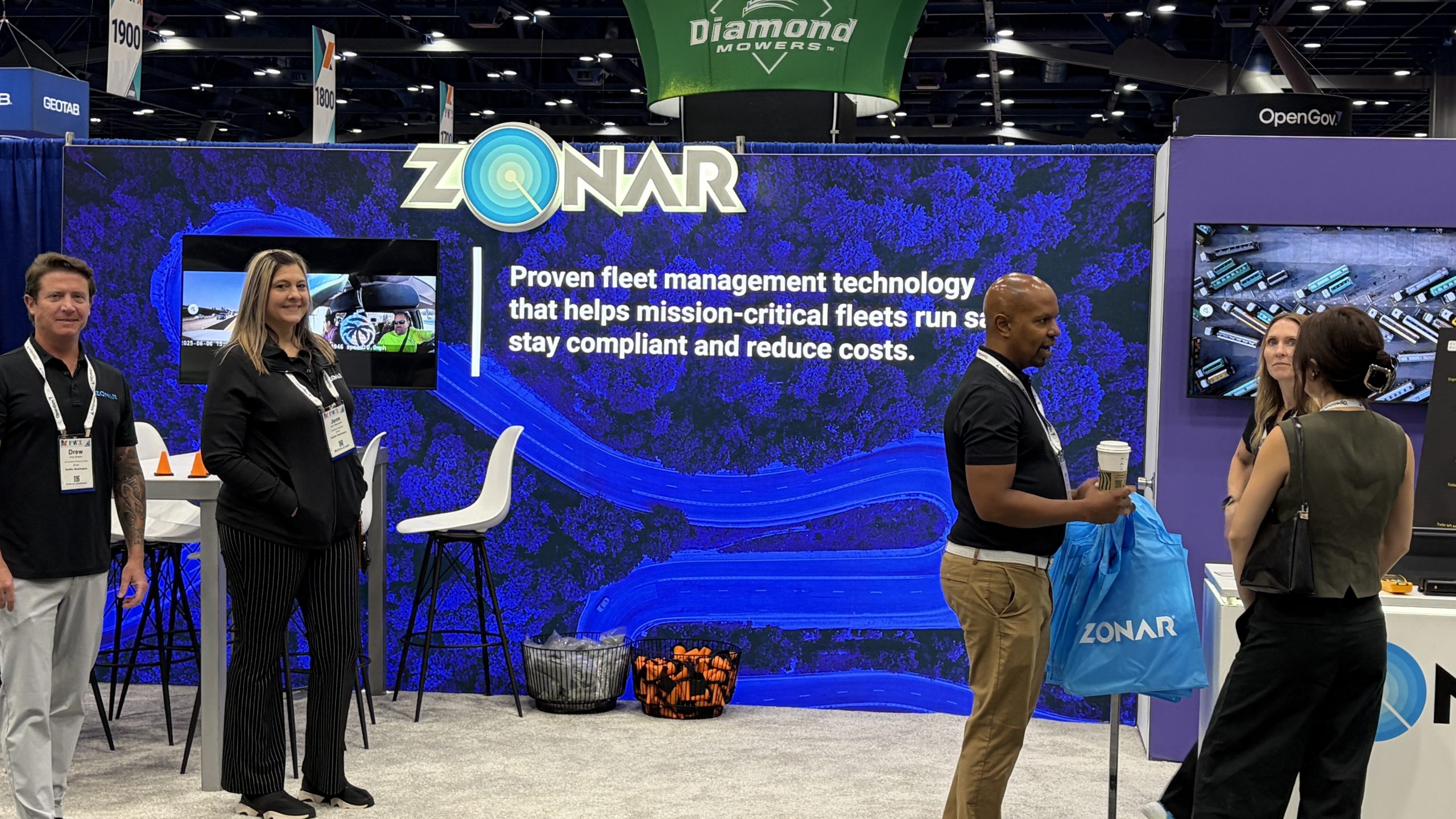
IMG_9136
-
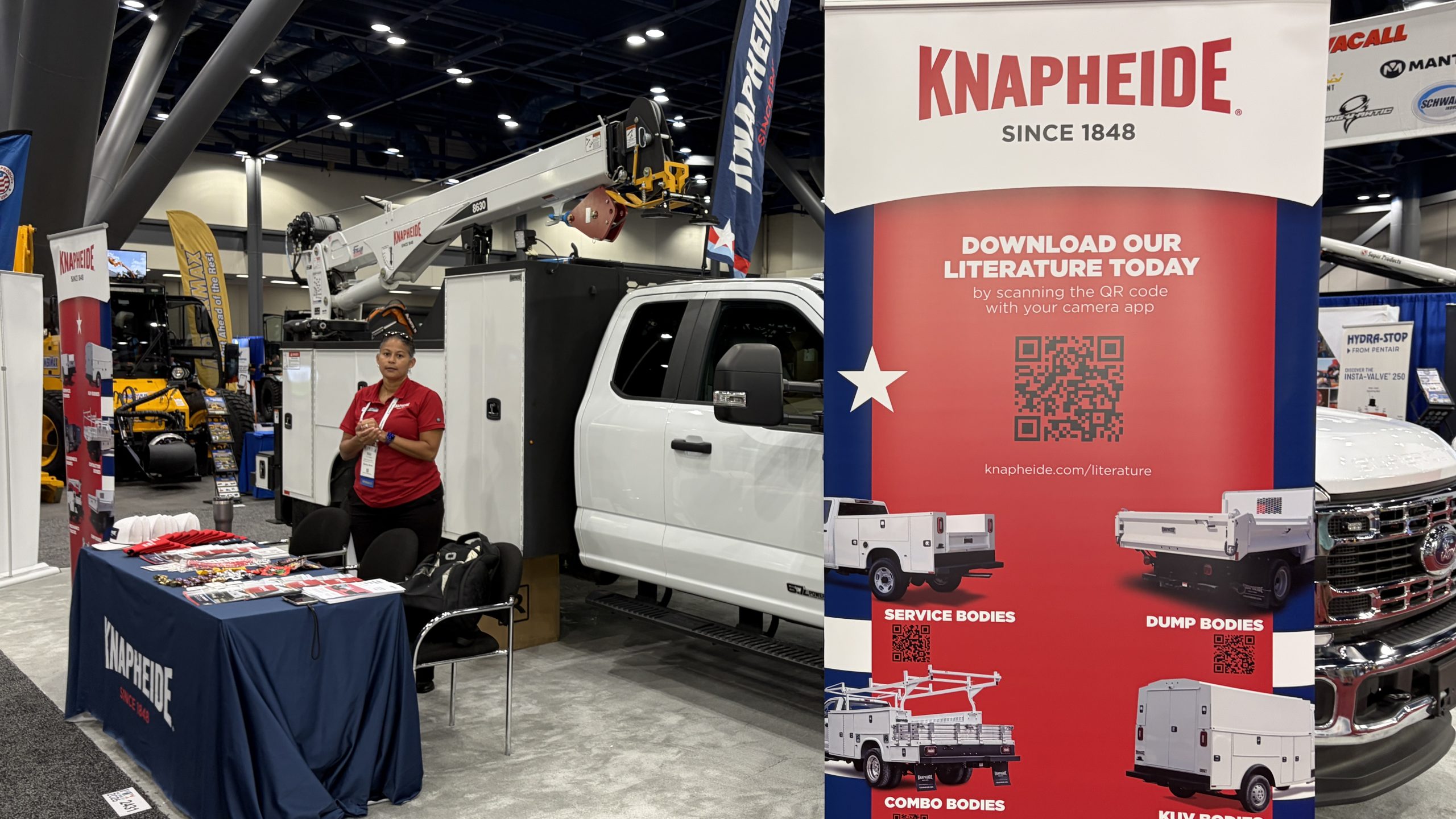
IMG_9134
-
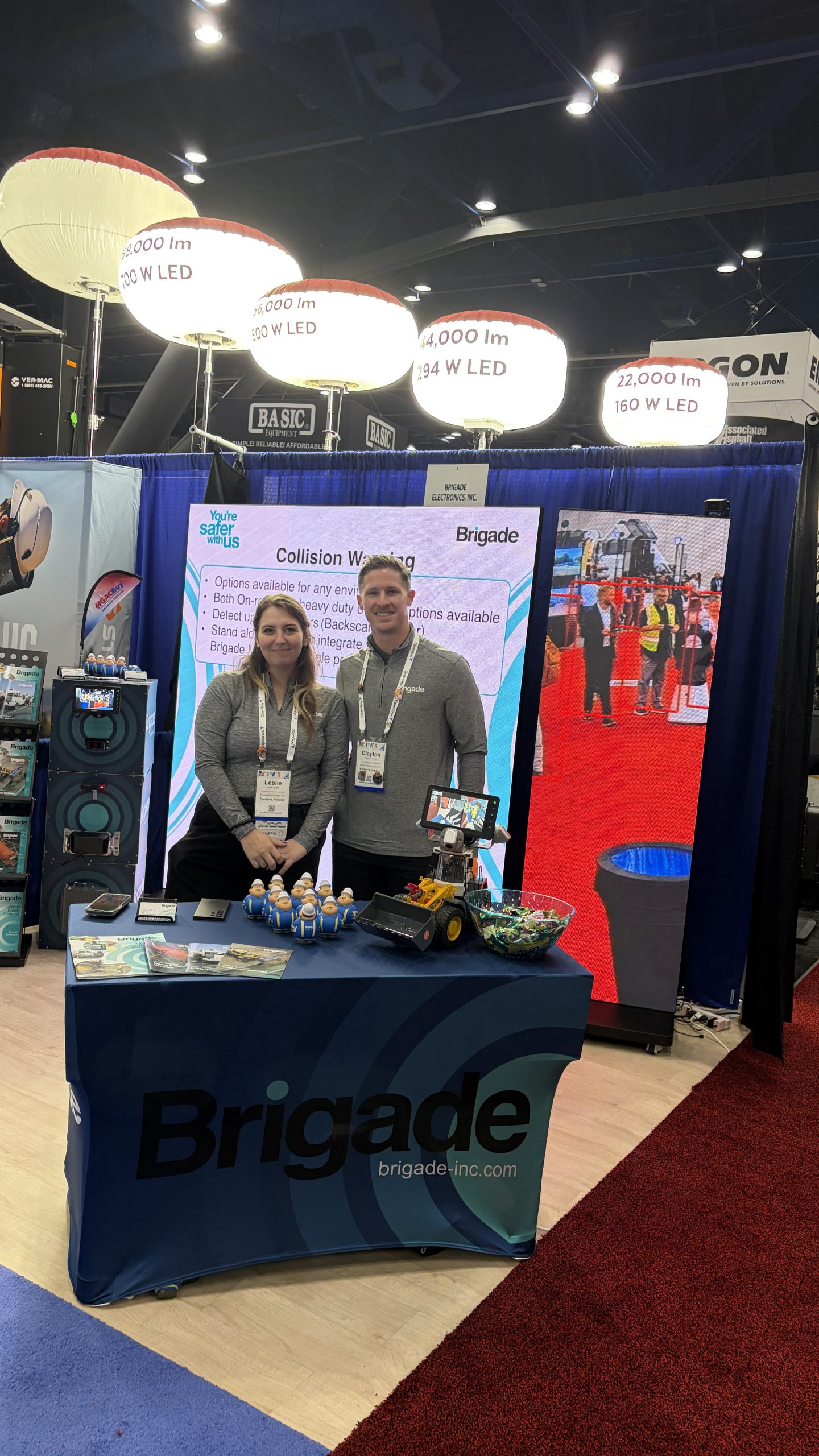
IMG_9132
-
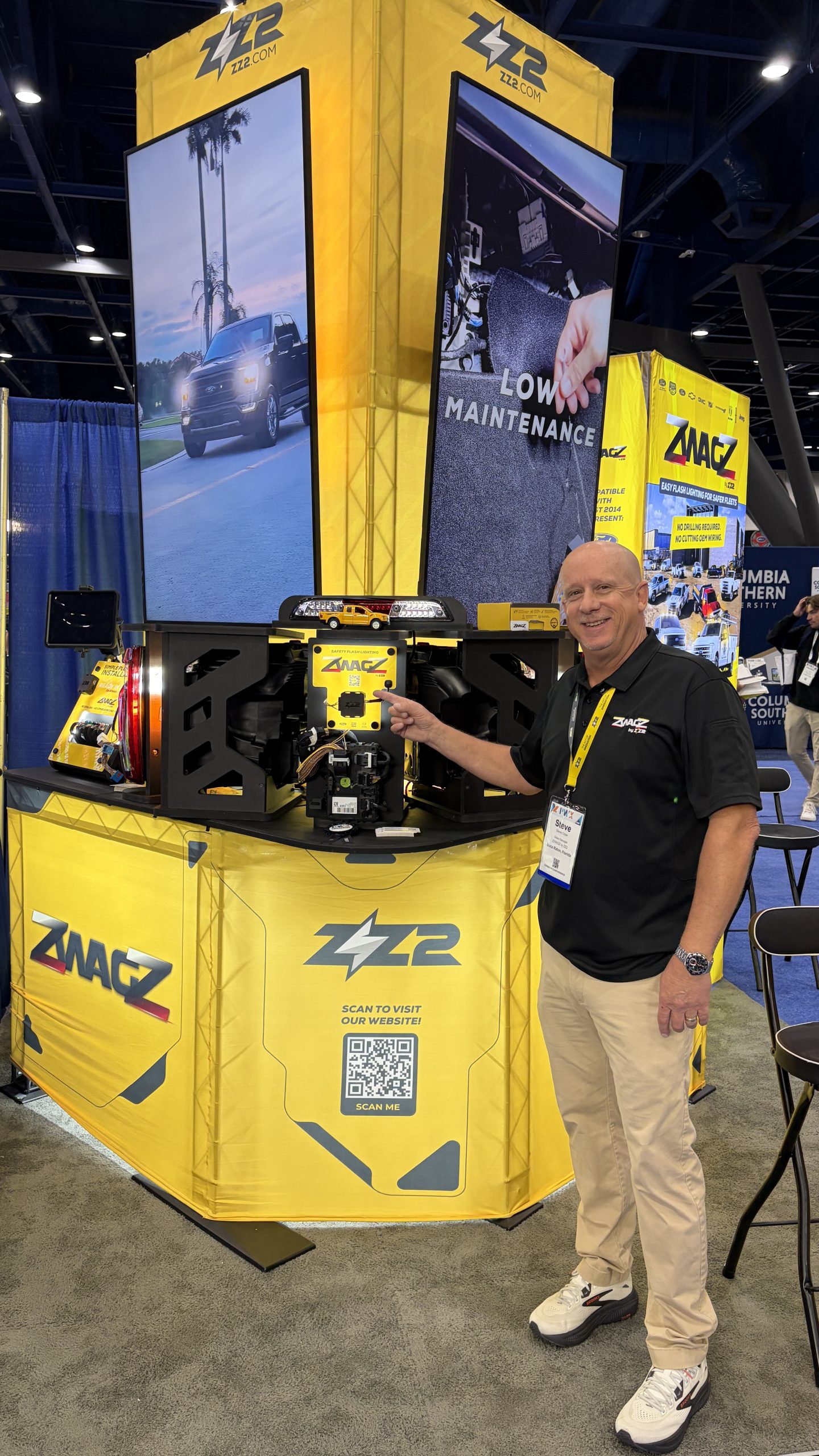
IMG_9131
-
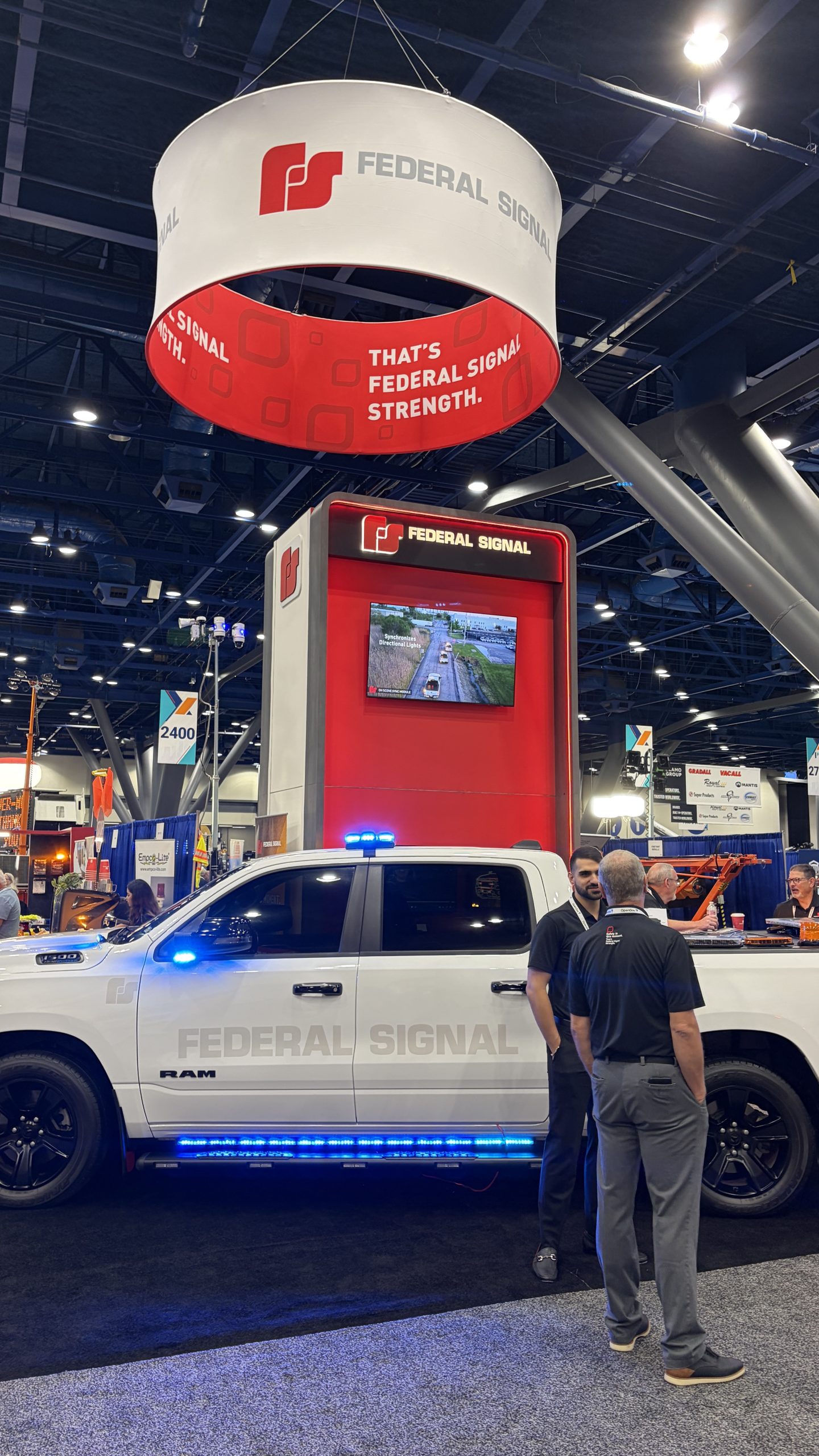
IMG_9130
-
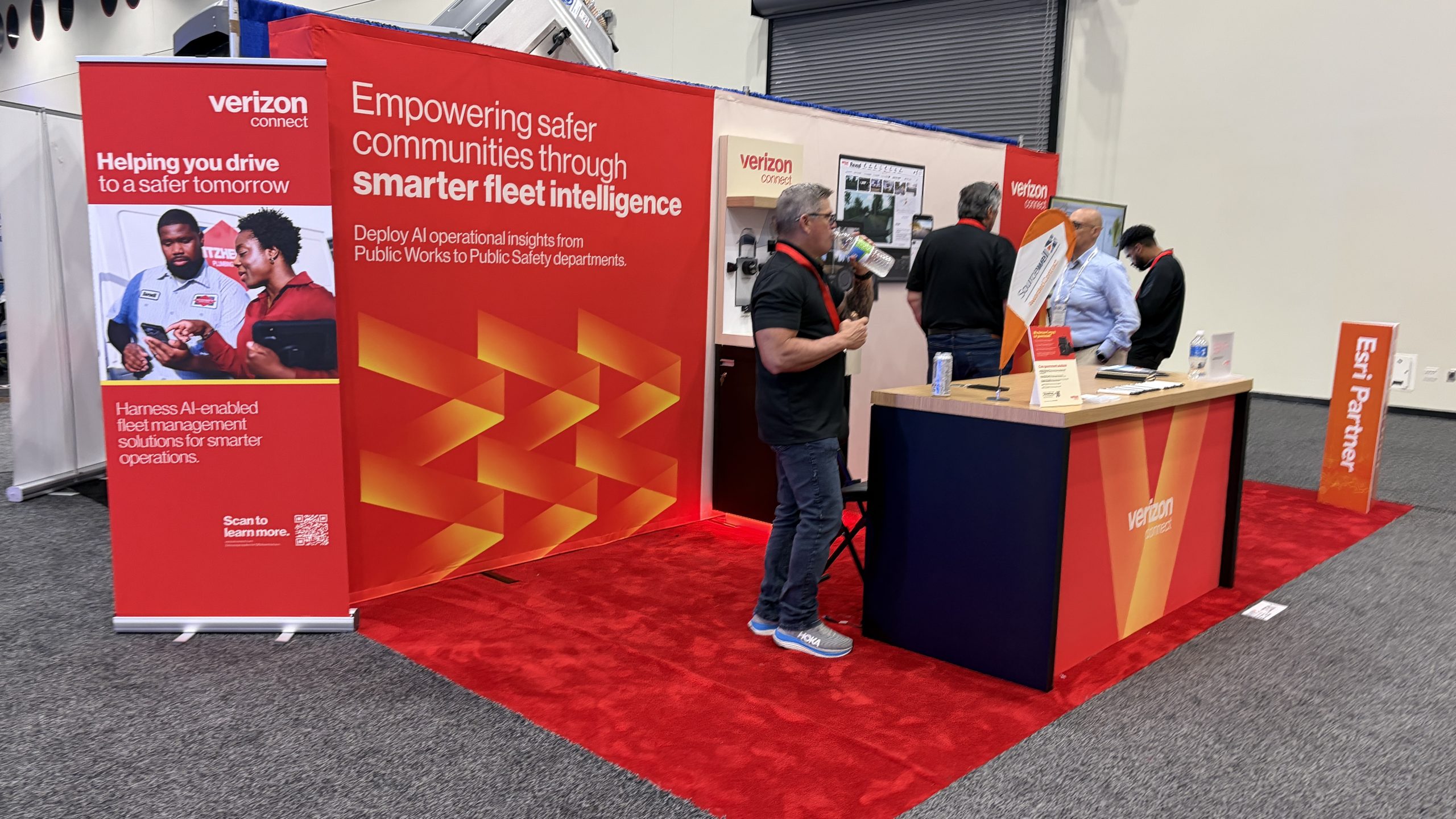
IMG_9129
-
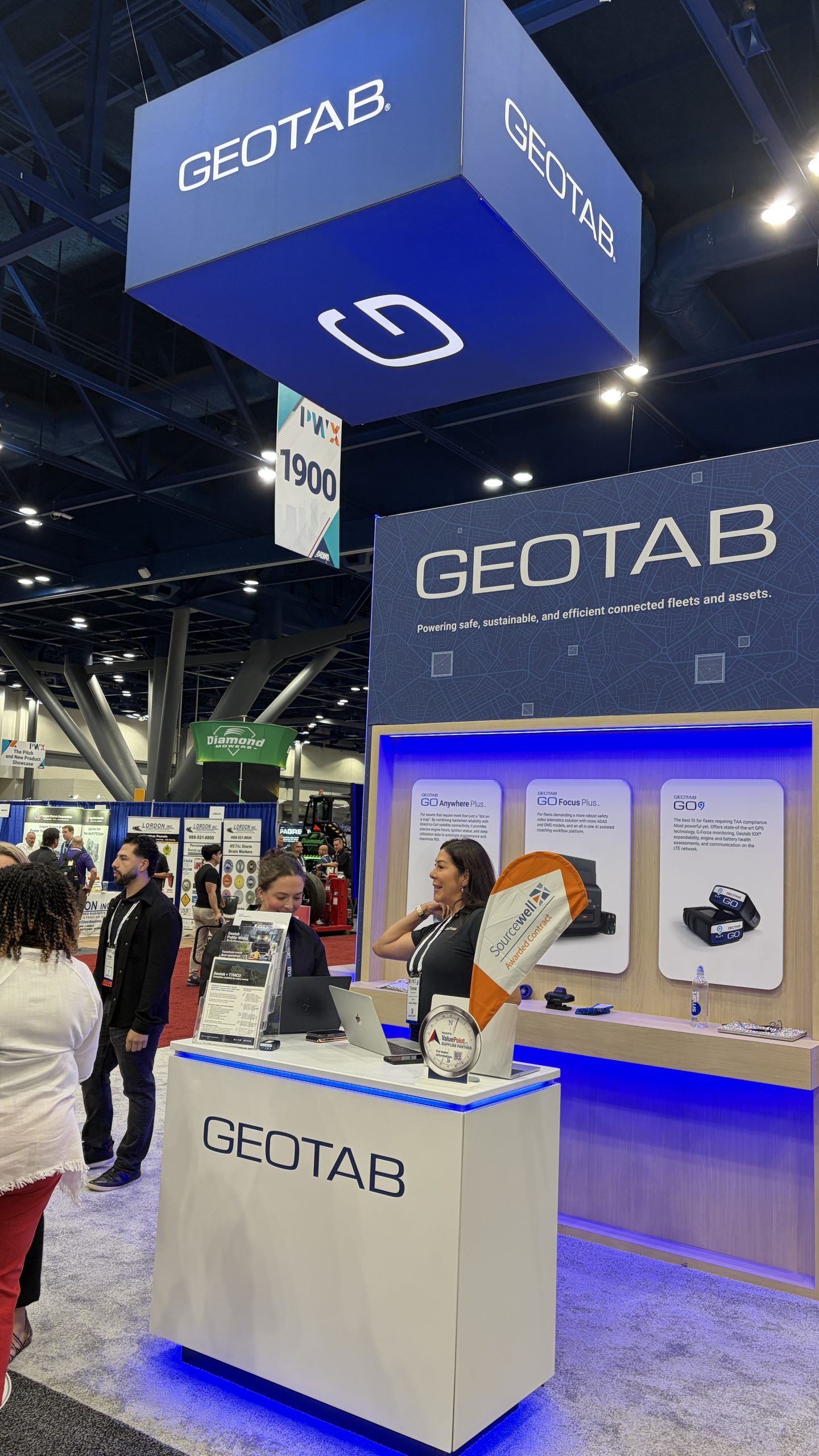
IMG_9128
-
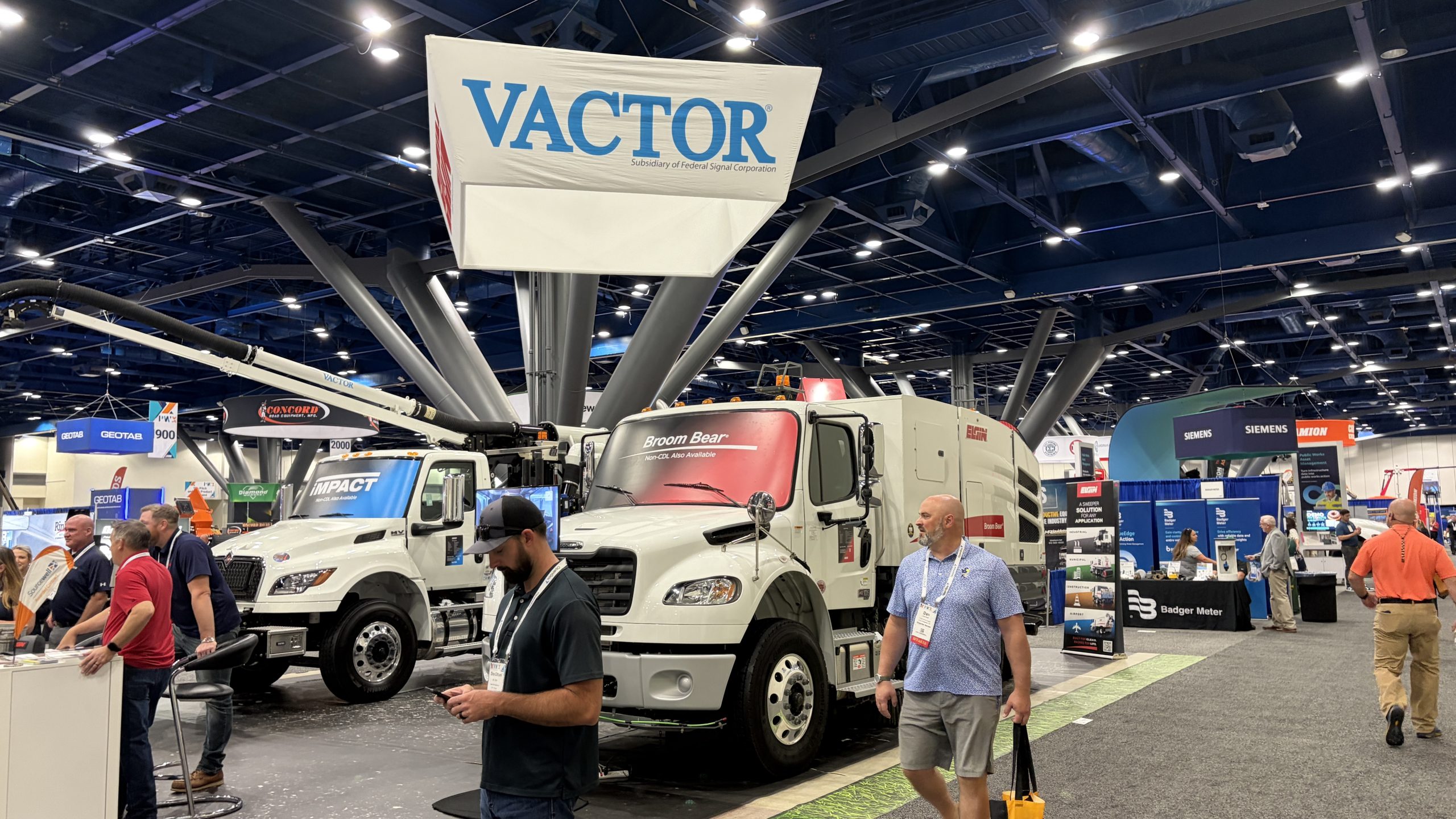
IMG_9127
Utility Safety Podcast – Switchgear Safety & Breaking the “Tribal Knowledge” Habit with George Cole Part 1
In high-voltage environments, what you can’t see can kill you. While traditional open-air substations display their isolation points and energized components out in the open, enclosed switchgear conceals its dangers behind metal panels and doors. In this episode, we sit down with industry safety expert George T. Cole (CUSP, CESCP, CESW, CIT, SGE) to dissect why switchgear design creates unique, deadly hazards—from complex internal cross-connects to the explosive threat of an “Arc-in-a-Box”.
George breaks down the crucial difference between OSHA’s often misunderstood term “deenergized” and NFPA 70E’s 8-step process for establishing an Electrically Safe Work Condition (ESWC). We examine real-world case studies where simple, routine jobs nearly turned fatal due to human error precursors like overconfidence, poor work order instructions, and an overreliance on “tribal knowledge”. Finally, we explore how utility safety professionals can elevate their careers and eliminate the dangerous “we’ve always done it that way” mindset through the Utility Safety & Ops Leadership Network (USOLN) and the Certified Utility Safety Professional (CUSP) credential.
Key Takeaways
-
Unique Design = Unique Hazard: Unlike traditional open-air substations where clearance points and conductors are visible, switchgear conceals energized parts behind panel doors, placing workers inside shock boundaries or minimum approach distances the moment a cover is removed.
-
Compliance is Only the Bare Minimum: Relying solely on OSHA regulations helps avoid fines, but ESFI injury data shows it isn’t enough to stop severe electrical shocks and burns in the utility sector.
-
Transition to ESWC: Rather than assuming equipment is safe because it is labeled “deenergized,” crews must complete NFPA 70E’s systematic 8-step process to verify an Electrically Safe Work Condition (ESWC).
-
Live-Dead-Live Protocol: Performing Live-Dead-Live voltage testing at each specific point of work and before moving between internal compartments serves as a vital final barrier against electrical accidents.
-
Eliminate “Tribal Knowledge”: Relying on informal habits, handwritten notes on cabinet doors, or the mindset of “we’ve always done it that way” are primary error precursors that lead to catastrophic failures.
Questions & Answers
Q1: Why is the term “deenergized” so easily misunderstood in high-voltage switchgear work, and how does NFPA 70E solve this?
Answer: OSHA defines “deenergized” as being free from electrical connections to a voltage source. However, under OSHA utility regulations, equipment operating above 600V must also have correctly installed Temporary Protective Grounds (TPGs) forming an Equipotential Zone (EPZ) before it can be worked on as deenergized. Without TPGs, it must still be treated as energized. NFPA 70E removes this ambiguity by replacing subjective assumptions with an Electrically Safe Work Condition (ESWC)—a strict, mandatory 8-step verification process that requires reviewing up-to-date drawings, isolating all feeds, testing for absence of voltage at each point of work, and applying grounds.
Q2: What human performance factors contributed to the near-fatal switchgear incidents highlighted in the case studies?
Answer: In the presentation’s case studies, the primary human error precursors included inaccurate risk perception, overconfidence, complacency, high workloads, and poorly written work orders. In one case, an electrician relied on an unauthorized handwritten note on a cabinet door, which caused him to miss exposed, uninsulated 13.8kV wires in an adjacent cubicle. Both incidents highlighted that the single biggest driver of electrical accidents is an over-reliance on “tribal knowledge” and a culture that accepts the paradigm “we’ve always done it that way.”
Learn more, view the schedule, or register for the event at the iP Utility Safety Conference & Expo.
Connect with George Cole – https://www.linkedin.com/in/george-cole-cescp-cusp-cesw-cit-sge-57921851/
#ElectricalSafety #UtilitySafety #SwitchgearHazards #CUSP
‘So Lucky’: Reflections on a St. Patrick’s Day Wreck
Editor’s note: In the following account, a bucket truck wreck blocks the only active traffic lane on an icy New York highway, posing an immediate safety threat. Nothing in this account should be considered professional crash response guidance. Readers should understand that untrained individuals who move crash victims could unintentionally cause them further injury.
While driving on St. Patrick’s Day this year, I discovered part of the New York State Thruway had been reduced to a single traffic lane due to icy conditions. I briefly considered taking the back roads instead, but heavy local traffic and closely spaced stoplights made that option feel just as risky.
Moments later, I watched a tractor-trailer slide off the road ahead of me. Shortly after that, I increased my following distance as I noticed a fleet of bucket trucks attempting to merge onto the Thruway, knowing it can be difficult to stop such large trucks even in good weather conditions.
Behind me, drivers were growing impatient. I remember a red vehicle that seemed particularly determined to push forward despite the slick pavement. The longer I observed what was happening around me, the more uneasy I became.
Then, within seconds, everything unraveled.
As I watched the merging fleet, the last truck in line suddenly swerved sharply to the right, then back left, spinning until it faced oncoming traffic. When the passenger-side wheels caught dirt, the truck flipped twice.
Immediate Action
I reacted immediately, knowing I had to help given the truck’s position in the roadway and the continued icy conditions. With my hazard lights already on, I shifted into neutral and coasted into the left lane to warn other motorists and create a safety buffer.
The bucket truck’s boom had fully extended during the rollover, just before slamming down and crushing the cab as the vehicle completed its second flip and came to rest on the driver’s side. As I cautiously walked toward the truck, I could see two men in the cab. The driver, pinned beneath debris, appeared to be unconscious. The passenger was dazed but awake.
I began to offer the passenger calm, direct instructions from outside the vehicle, urging him to kick out the windshield with my assistance. Shaken and confused, he asked if he was alive or speaking to an angel. I kept my response simple: He had been in a serious accident and help was there.
The passenger’s adrenaline began to course through him. With my encouragement, he found the strength to kick the windshield while I pulled it free. Once out of the vehicle, shock quickly set in; the passenger began running, putting himself and others at risk on the icy roadway.
A calm steadiness washed over me then, helping me to soothe the passenger and guide him to a safe area before shifting my attention to the driver. He was still pinned in place inside the truck, blood visible, his head beginning to swell. However, I could see movement in his neck artery, a critical sign. When I asked the driver if he could hear me, he responded by calling out for his wife, which gave me a small sense of relief because it meant he could still hear, feel and respond.
Carefully, the passenger and I freed the driver from the wreckage and placed him on the snow-covered ground. A state trooper arrived at that moment, flooding my body with relief and shock. After quickly relaying information about the wreck, emergency crews began to take over.
Aha Moment
I got back on the road soon afterward but pulled off at the next exit. My emotions began to surface as I sat in a truck stop parking lot, still gripping my steering wheel.
A knock at my window broke the silence. Two linemen who had witnessed the crash but couldn’t safely stop at the scene had pulled in to check on me. My instinct was to tell them I was fine, but I wasn’t. After washing up, they stayed with me at the truck stop, offering coffee, chips and a chocolate bar. What was meant to be a quick check-in turned into nearly an hour of quiet support. The linemen didn’t leave until I felt OK to get moving again.
That is when the true meaning of being my brother and sister’s keeper fully clicked for me. Caring for one another comes in many forms. In a sense, we are all first responders, whether that means helping in the aftermath of an accident or sitting down with an industry peer who has just witnessed a traumatic event.
There is also a second point to recognize here: What we give to others has a way of coming back to us. The people we encounter throughout our lives add to our wisdom, and we carry that with us wherever we go.
Keeping Your Eye on the Prize Saves Lives
My one nonnegotiable goal each day is making it home to see my family. Each decision I made on the Thruway earlier this year offered me a way to help others while also guarding my personal safety.
Still, although everyone survived, I recognize that the outcome could have been very different. This is why preparation matters. For instance, rescue equipment isn’t useful where it’s inaccessible, and in the crash, the equipment was stored on the driver’s side – the same side the truck ultimately landed on.
Keep in mind, too, that simple measures can make an enormous impact. Consider what could have happened to the driver and passenger had they not been wearing seat belts. Understand that unsecured items inside the cab can become dangerous debris.
Conclusion
Some moments stay with us forever. Since March, I haven’t gone 24 hours without recalling what those two men went through and contemplating what each of us could have lost that day. One particularly unforgettable detail is the shirt I wore that fateful St. Patrick’s Day, emblazoned with the words “So Lucky.” Somehow, despite everything that had happened, those words felt true.
About the Author: Tiffany Celotto, CUSP, is a long-standing member of IBEW Local 1249 and serves as a safety coordinator for New York-based O’Connell Electric Co. Her years of hands-on experience working in the field have helped shape her approach to safety, giving her firsthand understanding of the challenges workers face every day. Celotto is passionate about building a strong safety culture in which people feel empowered to be their brother and sister’s keeper.
How Utility Fleets Use Data to Stop Incidents Before They Happen
— Webinar Sponsored By —

“How Utility Fleets Use Data to Stop Incidents Before They Happen”
WEBINAR RECORDING
Join the Conversation With Industry Experts On September 23rd at 1:00 p.m. ET
Utility fleet incidents don’t just happen – they’re predicted by data most fleets already have, but aren’t fully using. This webinar unpacks how safety leaders can leverage connected vehicle telematics and AI-powered insights to transform fleet safety from reactive to predictive.
We’ll walk through how to surface high-risk driver behaviors before they escalate, build a coaching culture using real-time alerts and driver scorecards, and benchmark your performance against industry peers. Whether you’re managing a small regional fleet or a large utility fleet operation, you’ll leave with a clear picture of what a data-driven safety model looks like – and practical first steps to get there.
This webinar is for anyone interested in learning about how leading utility fleets are stopping incidents before they happen.
Learning Objectives:
- How telematics data surfaces high-risk driver behaviors (speeding, harsh braking, distracted driving) before they result in an incident
- How to build a proactive coaching program using real-time exception alerts and driver scorecards
- How utility fleets are benchmarking safety performance against industry peers and internal targets
- The difference between reactive incident response and a predictive safety model — and how to make the shift
- Practical first steps for fleet safety leaders who want to move from spreadsheets to a data-driven approach
Attendees will learn how connected vehicle data and AI-powered insights can help utility fleet safety leaders identify risk patterns and intervene before an incident occurs.
This is a must-attend event for operations managers, fleet safety leaders, and utility executives looking to transform their safety operations from reactive risk management to predictive prevention.
Time will be dedicated at the end of the discussion to answer live audience questions.
Attendance worth 1 contact hour for certification maintenance.
MEET YOUR SPEAKER
Zac Hales
Business Segment Manager, Vocational
Zac Hales leads go-to-market strategy and value delivery for utility, construction, and oil and gas fleets. He works closely with safety leaders across North America to help them move from reactive incident response to proactive, data-driven safety programs. Zac is a regular presence at industry events and a knowledgeable resource on off-highway telematics.
Geotab is a global leader in connected vehicle and asset management, headquartered in Oakville, Ontario. We leverage advanced data analytics and AI to transform fleet operations, serving approximately 100,000 customers and processing 100 billion data points daily from more than 5 million vehicle subscriptions. Trusted by Fortune 500 organizations and government fleets worldwide, our open platform and Geotab Marketplace deliver hundreds of fleet-ready third-party solutions.
The views, information, or opinions expressed during this webinar are solely those of the individuals involved and do not necessarily represent those of Utility Business Media and its employees. It is strongly recommended you discuss any actions or policy changes with your company management prior to implementation.
IoT-Connected Thermal Camera
Thermal imaging and monitoring solutions company moviTHERM has announced the launch of Irley, a new IoT thermal camera built to flag fire risk, equipment failure and heat-related problems so that fleet teams can step in before they turn into costly damage.
Irley watches continuously for hot spots and alerts the right people the moment it detects one, whether that’s a charging station overheating, a vehicle electrical fault or another early warning sign. It connects over Ethernet or LTE, so it can be deployed in facilities with existing network infrastructure or in outdoor storage yards with no wired connection at all. Every event is logged automatically, giving fleet operations a documented, time-stamped record for safety and insurance purposes.
Setup takes three steps: point Irley where you need it, set your alert thresholds and preferences, and let it keep watch. Users can view thermal footage remotely, track temperature trends over time and adjust settings without an on-site visit. https://movitherm.com/irley
Measuring Stick for Bucket Truck Work
Hastings Fiber Glass Products has released a new version of its Tel-O-Pole Bucket Stick with integrated measuring capabilities. Known as the Tel-O-Pole Measuring Bucket Stick (product number HV-208-M), the tool allows users to safely take accurate and efficient measurements when working from a bucket truck.
The collapsible, telescoping hot stick combines all the features of Hastings’ original Tel-O-Pole Bucket Stick (HV-208) with black English unit marks to improve visibility in the field and ensure long-term readability. It utilizes the same lightweight design, insulated fiberglass and standard Universal Quick-Change Head.
Designed to deliver safety and versatility for everyday use, the Tel-O-Pole Measuring Bucket Stick measures vertical heights with 8 feet of reach and provides eye-level readings at the top of the base section. The stick’s positive locking, spring-loaded buttons ensure fast, accurate and easy extension in any weather condition. The unit collapses for convenient storage below the bucket lip. www.hfgp.com
Specialty Equipment for T&D Construction
As electric utilities across the United States accelerate transmission and distribution infrastructure investment driven by grid modernization and clean energy expansion, a new national specialty equipment platform has emerged to support the contractors and utilities doing that work.
Rentix Solutions – formed through the merger of JDC (formerly known as Jack Doheny Companies) and Vacuum Truck Rentals (VTR) – has announced operations as a national specialty rental platform with over 35 locations and more than 3,200 pieces of specialized equipment serving electric utility, water and sewer, and environmental customers across the country.
The new platform offers immediate access to one of the most extensive specialty equipment networks in the country, including aerial boom trucks, digger derricks, hydro-excavators and vacuum trucks. With 24/7 availability and over 100 certified service bays across the network, Rentix Solutions is built for the utility construction demands that cannot be delayed.
The merger brings together JDC’s 50-year history as an authorized dealer and service provider for utility equipment – including Terex, Elliott, Huber and Skylift brands – with VTR’s national vacuum truck rental network and 24/7 field support model. www.rentixnow.com
FR Ground Glove
Most utility gloves lead with protection, treating fit as an afterthought. For crews wearing gloves all day in the field, that’s the wrong priority order. Comfort, dexterity and fit aren’t secondary to protection – they’re what determine whether a worker actually keeps the gloves on.
The FR Ground Glove (SKU 12-3365-60) is built to deliver both protection and fit. Rather than sewing a separate cut-resistant liner into a driver shell, Youngstown directly bonds Kevlar to the goat-grain leather before sewing. The result is a unified, single-feel construction with no liner sliding, bunching or loss of touch sensitivity.
A proprietary 3D pre-curved pattern follows the natural resting position of the hand, delivering a form fit that moves with the worker. Two layers of high-quality goat-grain leather reinforce every critical wear zone, extending service life without adding bulk.
The FR Ground Glove is rated cut level A4 and puncture level 5 with a 37 cal/cm² arc rating and full flame resistance. It is backed by a two-month use guarantee. https://ytgloves.com
Class 3 Vented FR Shirt
In high-heat, high-risk environments, balancing FR/AR protection, visibility and comfort is an ongoing challenge. The Neese Tecasafe One Class 3 Vented FR Shirt is designed to solve those concerns. It provides dual protection against thermal and low-light hazards, and it’s five times more breathable than traditional workwear.
Constructed with lightweight 5.7-ounce Tecasafe One fabric, this new work shirt from Radians delivers inherent flame-resistant protection and ANSI/ISEA 107 Class 3 high-visibility compliance. It is well-suited for utility, electrical and other industrial applications where arc flash, flash fire and low-visibility hazards are present. The garment is UL listed, NFPA 2112 certified and CAT 2 rated.
By combining FR/AR protection and Class 3 visibility in one garment, the shirt often eliminates the need for a separate hi-vis vest. A single-layer, dual-compliant design helps reduce heat stress and supports compliance by eliminating the concern of workers wearing a non-FR hi-vis vest.
Designed to keep workers cooler and drier, this ultra-breathable shirt with moisture-wicking performance also features vented mesh back panels that promote airflow. Three pockets add practical utility, while the machine-washable construction supports long-term wear in industrial settings. www.radians.com/products/neese-vts5vsh3-tecasafe-one-57-oz-class-3-vented-fr-shirt
Built In Not Bolted On – Equipment Jobsite Setup & Ops Exchange with Doug Hill, CUSP
In this episode of the Built In, Not Bolted On podcast, host Doug Hill is joined by co-host Nick to dive into the critical topic of job site preparation and equipment setup in utility operations. Prompted by evolving working conditions—such as severe air quality impacts from Canadian wildfires—the hosts discuss why safety practices must be proactively integrated into daily work routines rather than “bolted on” as an afterthought. They explore the deeper systemic issues behind setup-related incidents, human fallibility, the importance of practical safeguards, and how post-job briefs foster a culture of continuous learning across all experience levels.
Key Takeaways
- Proactive Safeguards vs. Reactive Explanations: Proper job site preparation requires building in practical systems and safeguards that account for human error, rather than simply blaming workers or relying solely on individual adherence to rules.
- Continuous Adjustment for Changing Conditions: Job sites are live environments. Pre-job plans and “game plans” must evolve fluidly as conditions change (e.g., weather shifts, air quality changes, site hazards) using Stop Work Authority as a system reset.
- The Value of Post-Job Briefs & Knowledge Sharing: The best organizational learning happens after the job is completed by reviewing what went well, identifying unmitigated risks, and actively communicating these insights across workgroups and generations.
Questions & Answers
Q1: Why is relying solely on written safety procedures or worker experience insufficient for job site setup?
A: Written procedures and individual experience are fallible. Procedures can leave room for interpretation, and workers of different experience levels may evaluate risks differently. Relying entirely on individuals to catch every issue leads to system failures; instead, companies must build in clear, practical, and practical safeguards that allow workers to fail safely.
Q2: What are the five key stages of a holistic job site preparation framework outlined in the episode?
A:
- Pre-Job Planning: Gathering materials, selecting agreed-upon equipment, and assessing needed competencies.
- Job Site Plan (Game Plan): Converting the pre-job plan to match actual site conditions during the tailgate/pre-job brief.
- Executing: Carrying out the work while treating the safety plan as a dynamic, live document.
- Post-Job Brief: Debriefing after completion to analyze risks, successes, and necessary improvements.
- Sharing Results: Communicating lessons learned across teams and departments to improve future setups.
Q3: How does the “generational gap” impact job site safety and preparation?
A: Workers with decades of experience view site hazards and necessary controls differently than newer workers with only a few years on the job. Creating mutual understanding and open communication ensures that junior employees feel empowered to ask questions and use Stop Work Authority, while senior employees share practical knowledge effectively.
Conference & Workshop Links
- Conference Website: Learn more, view the schedule, or register for the event at the iP Utility Safety Conference & Expo.
-
Pre-Conference Workshop: Be sure to check out the interactive session on Generational Leadership to learn how to transform generational differences into strategic safety strengths.
#UtilitySafety #JobSitePreparation #SafetyLeadership #HumanAndOrganizationalPerformance #IncidentPrevention
Utility Safety Podcast – Lifesaving Layers – Clearing up the Confusion in The Utility Industry with Derek Sang
Join host Kate Wade as she sits down with Derek Sang, Senior Technical Training Manager at Bulwark Protection, to answer the utility industry’s most burning questions about protective clothing. With 25 years of experience, Derek breaks down the critical differences between flame-resistant (FR) and arc-rated (AR) garments, exposes common field errors in wearing and maintaining PPE, and highlights dangerous everyday products like fabric softeners and DEET. Listeners will also learn how modern fabric innovations help combat heat stress, the importance of worker acclimation, and why continuous education is the key to bridging the gap between compliance and real-world safety.
Visit Bulwark Protection – https://www.bulwark.com/
Key Takeaways
-
All arc-rated (AR) garments must be flame-resistant (FR), but not all FR garments have an arc rating.
-
Wearing gear correctly—keeping sleeves rolled down, shirts buttoned to the neck, and shirts tucked in—is essential to prevent severe burn injuries.
-
Wearing an arc-rated base layer removes the safety hazard of an untucked shirt because it eliminates access to lightweight, flammable cotton t-shirts.
-
Common maintenance errors include using bleach, peroxide (like OxiClean), and fabric softeners or dryer sheets, which can leave a flammable petrochemical buildup over time.
-
Deet-based bug sprays are highly flammable accelerants that can cause FR gear to catch fire; workers should use permethrin-based products instead.
-
Single-layer work clothing does not contribute to heat stress, and modern 5.5-ounce performance fabrics help keep workers cooler by wicking moisture away from the body.
-
Managing heat stress effectively requires a combination of electrolyte hydration, rest, shade, and structured worker acclimation programs.
-
Continuous worker education and annual audits of industrial laundry programs are necessary to close the safety gap and protect workers from arc flashes.
Questions and Answers
Q: What is the main difference between flame-resistant (FR) and arc-rated (AR) clothing?
A: All arc-rated garments are flame-resistant, meaning they self-extinguish and will not melt or drip. However, not all FR garments have an arc rating. AR garments undergo specific testing to measure their ability to protect against the incident energy of an arc flash, making them necessary for electrical utility and general industry environments.
Q: How do everyday laundry and field products like bug spray affect protective gear?
A: Products like chlorine bleach, peroxide (found in OxiClean), and fabric softeners can degrade protective properties or build up flammable residues over time. In the field, Deet-based insect repellents are dangerous because Deet is a severe accelerant that can catch fire. Workers should use permethrin-based repellents instead, which have been proven safe for FR clothing.
Q: What fabric innovations and protocols help utility workers stay cool in extreme heat?
A: The industry has transitioned to lightweight 5.5-ounce fabrics that blend hydrophobic and hydrophilic fibers to push moisture away from the body. Beyond clothing, managing heat stress requires proper hydration supplemented with electrolytes, taking breaks in the shade, and utilizing structured acclimation programs to ease workers back into hot environments after taking time off.
#UtilitySafety #ArcFlash #FRClothing #SafetyEducation #PPE #IncidentPrevention #Bulwark
The Time is Now: Reevaluating Threat and Violence Exposures in the Field
A lineman’s work was relatively straightforward in the early days of our trade: We built power lines with wire and poles, making sure the big end of each pole went into the ground first.
Now, as I begin my 35th year in electric distribution, the line crew work environment is rapidly evolving. An especially concerning change is the uptick in hostile threats and violent acts perpetrated against utility workers in the field. Recognizing and adapting to this change is critical to the well-being of our frontline workforce.
In CPL 02-01-058, “Enforcement Procedures and Scheduling for Occupational Exposure to Workplace Violence,” OSHA provides the following definition of “workplace violence,” adopted from the National Institute for Occupational Safety and Health: “Violent acts (including physical assaults and threats of assaults) directed toward persons at work or on duty.” The directive also reiterates that a hazard is “a workplace condition or practice to which employees are exposed, creating the potential for death or serious physical harm to employees” (see www.osha.gov/sites/default/files/enforcement/directives/CPL_02-01-058.pdf). OSHA addresses workplace violence through its General Duty Clause, which requires employers to provide their employees with a workplace free from recognized hazards.
Given the increase in animosity toward our nation’s frontline workers and the fact that OSHA standards merely set minimum safety and health requirements, now is the time for our industry to establish best practices that shield workers from threats and violence in the field.
January 2026 Incident
Winter Storm Fern struck Middle Tennessee in late January 2026, knocking out power to more than 225,000 households. On February 3, as an eight-member mutual-assistance line crew worked to replace a broken pole in the area, an angry utility customer approached them in the right-of-way.
The customer walked up to a bucket truck and opened one of its doors, first cursing at the crew members inside, then stating, “I know what I’m going to do.” After walking back to his house, the customer proceeded to fire multiple gunshots. Crew members took cover behind their trucks and equipment and immediately called 911.
When police arrived, they found the customer armed with a 9-millimeter handgun. Officers secured the firearm and arrested the man, who later admitted in his statement that he was angry because he believed crew members had driven through his yard, creating ruts in the ground, and disconnected electrical service to his home. He also stated that he returned to his house after the verbal confrontation for what he described as “gunpowder therapy.” Eventually, the customer was charged with eight counts of aggravated assault.
Abatement Options
This incident is one of three similar events that have occurred in Middle Tennessee over the past year. Line crews were involved in each case, suggesting that we must prioritize the reevaluation of field violence risks and our organization’s mitigation tactics, with particular attention given to lone workers operating at night. As you conduct your reevaluation, consider adopting the following abatement methods.
- Implement two-person crews to mitigate lone-worker risk.
- Utilize personal alarm systems and security devices, such as panic buttons, hand-held alarms and noise devices.
- Establish relationships with local law enforcement agencies. Immediately alert them to any threats of violence.
- Where risk is anticipated, confirm and document service availability for cellular phones and radio channels. This is especially critical in rural areas.
- Continually train employees in the recognition and deescalation of verbal abuse as well as the appropriate steps to take if deescalation tactics are ineffective.
Conclusion
Our industry has come a long way since Thomas Edison introduced the light bulb nearly 150 years ago. Addressing the risk of field violence is an imperative next step in our evolution. While complacency is a natural biological function, we must acknowledge the changing times and keep pace with them – which requires us to periodically review our policies and procedures, making any needed adjustments to align with current industry regulations and best practices. Doing so will aid in safeguarding employees while also shielding employers from potential legal action.
About the Author: Doyle Totty, CLCP, CUSP, is a U.S. Navy veteran and utility safety professional with more than three decades of experience in electric utility operations, storm response and safety leadership. He currently serves as safety director for Tennessee-based Dickson Electric System. Totty previously spent 22 years with Meriwether Lewis Electric Cooperative in engineering, operations and safety before retiring in 2012. After retirement, he supported storm restoration efforts and later served as a general foreman with Davis H. Elliot.
Utility Safety Podcast – Deep Dive – Unpacking “250 Years of Safety” – Why Statistics Are a Trap
In this episode, we dive deep into David McPeak’s article, “250 Years of Safety,” featured in the July 10th, 2026 issue of Incident Prevention magazine. We explore the staggering evolution of workplace safety, starting from the 1890s when electrical line workers faced a nearly 50% on-the-job mortality rate. Discover how financial liabilities, worker’s compensation laws, and the establishment of OSHA in 1970 transformed corporate accountability and birthed the modern safety data revolution. Finally, we discuss the shift from physical safety nets to managing cognitive overload, treating near-misses as “free tuition,” and the new frontier of protecting the worker’s mind, body, and spirit. Don’t miss the details on David McPeak’s upcoming September 9th, 2026 frontline webinar at the end of the episode!
Read the article by David McPeak here: https://incident-prevention.com/blog/250-years-of-safety/
Key Takeaways
-
The Deadliest Era: The 40-year span from the 1890s to the 1930s was the deadliest era for utility trades, with a roughly 50% fatality rate for electrical line workers due to uninsulated high voltage contact, falls, and a complete lack of specialized protective equipment.
-
Financial Accountability Sparked Change: Early corporate safety improvements weren’t driven by a moral awakening, but by shifting legal landscapes. The introduction of worker’s compensation laws established a no-fault system, turning workplace injuries into massive financial liabilities that forced companies to track and stop incidents.
-
Failing Safely: Modern safety embraces the concept of “failing safely” because human error is normal and cannot be trained out of existence. Instead of relying on lagging indicators, organizations use proactive tools like High Energy Control Assessments and view near-misses as “free tuition” to improve systems without anyone getting hurt.
-
The New Frontier is Cognitive Load: Safety focus is expanding beyond physical gear like harnesses and trench boxes to address the “whole person”. Organizations are realizing that cognitive overload, burnout, and mental health crises pose significant risks on highly complex, modern job sites.
Questions and Answers
-
Question: What was a major catalyst that forced companies to transition out of the deadly, unregulated era of utility work?
-
Answer: The transition was largely driven by legal and financial shifts. In the 1910s and 1920s, unionization and the introduction of worker’s compensation established a no-fault system, meaning employers had to carry insurance that paid out for injuries. This financial liability forced management to understand and prevent incidents to stop their insurance premiums from skyrocketing.
-
-
Question: How has the perception of a “near miss” evolved in modern safety culture?
-
Answer: Historically, workers would sweep near-misses under the rug out of fear of getting fired. Today, sophisticated tracking software allows organizations to view a near-miss as “free tuition”. It is seen as a successful instance where the safety net held, allowing the organization to learn and reinforce the system without anyone having to bleed for the lesson.
-
#WorkplaceSafety #IncidentPrevention #UtilityWork #SafetyCulture #MentalHealthInSafety
Vocational Mastery: The Final Practice of Personal Safety Excellence
This series explores five personal practices of safety excellence, including steps each of us can take to become as safe as possible.
The first article in the series was a reminder that we have personal accountability and agency in safety – enough to stop work and even walk off the job if conditions are unsafe. We focused on mental preparation in the second article, exploring how our impulsive tendencies influence performance under pressure. Article three examined spiritual health, which requires each of us to develop a personal system to ensure that our work aligns with our deeply held notions of purpose, meaning and contribution. The fourth article covered physiological readiness for hazardous work because we want to be at our best on a storm call at 3:30 a.m.
Now, in this fifth and final article, we’ll examine the importance of striving for vocational mastery. We begin taking too much for granted and become less safe when we are not habitually oriented toward learning. Achieving mastery is in our best interest.
Safety is often discussed as a system: policies, procedures, training and equipment. These things matter, but in hazardous work environments, systems alone are not enough.
That’s because at some point, every worker makes independent decisions, such as whether to slow down, ask a question, double-check a step or speak up when something feels wrong. An individual’s choices are influenced by their technical skill but also by their discipline, humility, physical health, mindset and character. Ultimately, safety is personal.
Individuals who achieve mastery over their work become safer, more confident employees. They develop keen awareness of job-related risks, enhance team culture and serve as role models for other employees. Consider that the level of mastery each crew member achieves directly correlates to the rate at which the entire crew goes home safely after each shift. In a chain of competence, none of us wants to be the weak link.
When I served as a system operator for Southern California Edison, complicated switching was required to safely conduct work in the Long Beach district’s dense underground network. A company foreman, Ron, was truly masterful at preparing our preliminary switching programs, often hand-carrying them to us so that we could walk through every step as a group before preparing the formal program. Ron taught us constantly, and each member of our perpetually young and relatively junior crew looked forward to his tutelage. He understood planning, engineering, switching, customers, traffic requirements and safety risks. Ron’s vocational mastery set the standard for me, and I worked hard to meet it.
The Journey Begins
Our journey to mastery kicks off with a single step: deciding that we want to become masterful for the right reasons, which helps to ensure a healthy mindset. No one likes a know-it-all; conversely, nearly everyone is willing to help a humble, earnest learner continue their personal and professional development.
Rigorous self-analysis is next. We must honestly identify the areas in which we are vocationally weak based on both our historical work performance and the quiet inner voice that says, “We’re just kind of guessing” about how to execute certain tasks. Self-assessment matters because it reflects our own sense of preparedness. Progress begins when we tell ourselves the truth.
A third practical step is to revisit our old learning resources. These items could include journeyman exams, planner training materials or professional engineer study guides.
Finding Motivation
Once our initial vocational training is complete, we tend to slow or even stop our learning, assuming time on the job will carry us to mastery. But we are either deliberately pursuing growth or limiting our development. Given the utility industry’s persistent serious injury and fatality statistics, we cannot afford to remain intellectually stagnant.
Motivation to continue our education is often derived from behavior modeled by others. In the U.S. Navy, power plants, the field, engineering, training, the classroom and every department I have worked in, one or two individuals were always truly masterful, setting an example for me to emulate. Earlier I mentioned Ron, the foreman, but he was not the only one.
Terry was a control operator at the now-shuttered Mohave Generating Station in Laughlin, Nevada, a 1,580-megawatt coal-fired power plant with extreme operating parameters, including 3,000-psi main steam pressure. He had read the books, understood the theory and was deeply familiar with every device in the complex facility. During our time working together, Terry always commanded great respect for his knowledge and competence and was frequently asked to provide input and assistance regarding plant operations. Tragically, he died while attempting to rescue fellow operators trapped in the facility’s control room after a massive steam leak.
External Recognition
External recognition can be another source of motivation. Once, a client asked if I was certified in safety. When I told him no, he asked, “Why not? Doesn’t it strike you as a good idea, or do you think you know everything already?”
That question gave me great pause. Then I decided to act, recognizing that everyone who works in a utility environment should be a safety expert, not just lineworkers and safety staff.
When I eventually discovered the Certified Utility Safety Professional (CUSP) program (see https://usoln.org/cusp-certification/), I initially assumed I could pass the exam with flying colors that same day. After all, utility safety work is my bread and butter. Now, however, I am embarrassed to admit that there was absolutely no way I could have passed the test that day.
Others had already taken care of the hard parts: identifying the essential knowledge that every utility safety professional should possess, creating the CUSP exam and developing the online preparation tool. I merely had to pay a fee, follow the study path and take the exam. So, after eating some humble pie, I launched a self-defined learning project, working through the CUSP program to earn the credential and redeem myself in my client’s eyes. The experience was difficult, but I learned a great deal. Perhaps my most important takeaway was that until I truly tested myself, I could not guarantee that my vocational confidence was justified.
Self-Preservation, Moral Obligation
Vocational mastery is a continuous act of self-preservation that demands honest assessment, thorough research, thoughtful planning, and a willingness to pursue development opportunities as efficiently as possible. Further, mastery is a moral obligation (recall the moral code addressed in article three); our continuous learning enhances the team’s overall competence and safety.
To become masterful, each of us must establish a series of learning projects that fit within the realities of our lives. Although some individuals will naturally progress faster than others, the goal here is to cultivate a consistent orientation toward learning. The more we understand across different dimensions, the safer we can become.
Conclusion
This series has fundamentally been about safeguarding ourselves and our teammates despite risk, not determining blame for incidents and injuries. When we commit to working for an employer, we agree to accept the system as it is currently constructed, which may not always provide us with adequate protection. Thus, we must take every possible measure to guard our personal safety while management continues striving to fix the system.
The five articles in this series are designed to help readers do just that. My overarching hope is that they encourage you to think more broadly about safety – not only in terms of compliance but as a lifelong commitment to taking personal accountability, honing our mental acuity, and becoming more spiritually grounded, physically prepared and professionally masterful.
About the Author: Tom Cohenno, Ed.D., CSP, CUSP, NBC-HWC, is a recognized safety expert and principal of Applied Learning Science (https://appliedlearningscience.com). With deep academic and operational experience as a U.S. Navy veteran, substation chief and former utility executive, he blends real-world insight with evidence-based research to deliver practical, impactful safety solutions.
*****
Sidebar: 4 Important Reminders
1. We develop vocational mastery because we want to be as safe as possible. Although creativity and initiative may be required, someone who genuinely wants to learn and improve can almost always find opportunities to do so.
2. True vocational masters thoroughly understand adjacent jobs. A lineman who learns why we arrange electrical components in specific configurations, for instance, begins to understand that what may initially appear illogical could in fact reflect the realities of clearance requirements, anticipated load growth and/or material constraints. This is valuable knowledge as the lineman encounters new field environments.
Similarly, a worker strengthens their overall competence as they become educated about operator switching, relay functionality and even how to manually operate a station during an emergency. A basic understanding of distribution engineering is equally beneficial. How are conductor sizes chosen to avoid unacceptable voltage drop? What’s the ideal way to determine circuit lengths? How are sectionalizing switches coordinated with backup circuits?
3. We must seek out individuals one or two levels above us who possess hard-earned knowledge (e.g., senior foremen, experienced supervisors). Inquire about their personal learning journeys and what has shaped their judgment. Additional worthwhile discussion topics include hazard prediction and recognition; job briefings; human performance basics; coping with time and storm pressures; and effective stakeholder communication.
4. Deliberately seeking this kind of knowledge is neither automatic nor common. Nevertheless, until we eliminate lineworker fatalities, it is prudent for each of us to develop a strong personal commitment to continuous learning.
6 Employer Best Practices for Effective Landowner Engagement
Transmission line construction is one of the most complex and politically sensitive infrastructure endeavors in the United States. Crews routinely work across dozens and sometimes hundreds of distinct land parcels, navigating a patchwork of easement rights, property histories and landowner temperaments. What happens when that navigation breaks down isn’t always a polite conversation at the fence line.
In one documented incident in the Upper Midwest, a 12-member utility project team conducting a formal, scheduled right-of-way walkdown was confronted by a landowner wearing a bulletproof vest and carrying a rifle. Police were called and ultimately resolved the standoff, clarifying that the crew was accessing utility property. This encounter was prompted by a pipeline contractor who had worked in the same corridor the year before; their employees did not use access mats, tore up the property and left it unrestored. In essence, the new project team paid the price for the previous team’s errors.
In a second incident that also occurred in the Upper Midwest, a utility project manager directed a site access contractor to cross a private landowner’s property to reach a transmission line right-of-way. The project manager believed that landowner engagement had occurred and access had been arranged. This was not the case. The contractor’s vehicles were stopped mid-property by the landowner, who refused to let them move, effectively ceasing work until police intervened.
No Anomalies Here
These incidents are not anomalies. Across the country, utility field crews regularly encounter unhappy landowners, some of whom are carrying weapons. Earlier this year, two Los Angeles Department of Water and Power field employees were threatened at gunpoint by a customer while attempting to perform a scheduled water shutoff (see https://ladwpnews.com/ladwp-urges-customers-to-treat-utility-workers-with-respect-and-kindness-as-they-perform-essential-functions/). In an older case, a Pennsylvania business owner drew a pistol on contractors working in a right-of-way, ordering them off the property despite having signed an access agreement with the contracting firm; he was charged with several crimes, including aggravated assault and terroristic threats (see www.cbsnews.com/pittsburgh/news/new-castle-business-owner-accused-of-pulling-gun-on-sewer-workers/).
No single federal database tracks landowner-versus-utility-worker confrontations as a discrete category, but the broader data is sobering. From 2015 to 2019, for instance, the U.S. Bureau of Justice Statistics reported an annual average of 1.3 million nonfatal workplace violent victimizations (see https://bjs.ojp.gov/press-release/federal-agencies-release-joint-study-workplace-violence). Industry employers must understand that (1) field employees face elevated harm risk when working in remote or isolated locations on or near private property and (2) poor communication with landowners plays a significant role in triggering these encounters.
Failure Modes
The incidents described above illustrate the two most common failure modes with respect to landowner engagement: inherited distrust, such as when a previous contractor’s poor conduct poisons landowner perceptions, and assumed engagement (e.g., a project manager erroneously believes communication has occurred, an assumption that travels down the chain of command until it hits a locked gate).
Boundary confusion is a less dramatic but equally disruptive third failure mode. Some landowners do not fully grasp the distinction between their property and a utility’s right-of-way, even if they have lived alongside an easement for decades. Failing to proactively clarify this distinction with the landowner is a recipe for confrontation.
Best Practices
Given the significant issues that can arise in lieu of effective landowner engagement, utility organizations that haven’t already would be wise to develop an engagement program that incorporates these six best practices.
1. Engage early and in person. Written notices satisfy legal requirements, but they may not satisfy or even reach landowners. A phone call or doorstep conversation before work begins is the best way to reduce the likelihood of misunderstandings. Explain who will be on-site, the equipment that will be used, how long the work will take and how the property will be restored. Landowners who understand project details are far less likely to interpret crew vehicles on the right-of-way as trespassing.
2. Document everything. The standoff in the second incident above began because a project manager believed landowner engagement had occurred. For any project that involves access across or near private land, engagement should be documented in writing with the same rigor as permitting. Include the name of the person who was contacted, the date, the information communicated and what was agreed to. This should be done before any crew members enter the field.
3. Acknowledge and address prior contractor damage. If a corridor has seen previous utility or pipeline activity, especially activity that left property in poor condition, the current project team should proactively acknowledge that history. Arriving on-site with a clear commitment to land protection, including use of access mats to prevent rutting and compaction, signals that this project will be different.
4. Plainly clarify rights and boundaries. Landowners do not always know where their property ends and the utility’s property begins. Any engagement conversation should include a plain-language explanation of the right-of-way: what it is, what rights the utility holds within it and what that means for the landowner’s day-to-day access. This basic transparency helps to prevent misunderstandings that could escalate into confrontation.
5. Commit to restoration and follow through. Landowners burned by prior contractors will be watching your workers. The fastest way to rebuild trust is to leave property in better condition than you found it. Specific commitments regarding restoration timelines, soil stabilization and any damage remediation should be part of every landowner engagement conversation. Critically, these commitments must be tracked and met.
6. Assign a single point of contact. Landowners who have questions or concerns during active construction need to know who to call. An employer that appoints a dedicated landowner liaison – with a real phone number and authority to respond – greatly reduces the likelihood of a frustrated property owner showing up at a jobsite to resolve things themselves.
Conclusion
The transmission buildout underway across the U.S. is historic in scale, with Midcontinent Independent System Operator Inc. (MISO) alone approving more than 5,000 miles of new transmission corridors in December 2024 (see www.publicpower.org/periodical/article/miso-board-approves-historic-transmission-plan-strengthen-grid-reliability). Thousands of landowner interactions are still to come. Employers must recognize that the time, legal exposure and reputational damage from a single armed standoff or police intervention could vastly exceed the cost of a robust landowner engagement program.
Even more importantly, effective engagement helps to ensure utility crews can move through corridors freely and safely. Our industry’s workers deserve better than to inherit risk that a simple phone call could have prevented.
About the Author: Levi Frost is vice president of construction services for Sterling Solutions (https://sterlingsolutions.com), a manufacturer and installer of site access mats.
Making Safety the Easy Choice
Walk through any industrial environment and you’ll hear familiar messaging: “Be proactive.” “Own safety.” “Follow the procedure.” Then step into the boardroom, where the conversation shifts to yield, uptime, injuries and cost.
We coach people on behaviors yet judge them based on outcomes, sending mixed signals to the frontline workers at the sharp end of the stick. People tend to rally faster and stay aligned longer when we direct them toward a clear goal and support it with a few nonnegotiable guidelines or guardrails. Most disappointment lies within the gap between what leaders expected and what they made clear and achievable and reinforced to workers.
This isn’t an argument against coaching behavior; it’s encouragement to design expectations so that the right behavior becomes the worker’s safest and easiest choice. Human beings naturally think in terms of outcomes. Crews can visualize a target like “first-pass yield at 98%,” “no loss of containment” or “pressure steady at 40-45 psi.” Comparatively, “be proactive,” “own safety” and “follow the procedure” are broad phrases that ultimately break down into dozens of judgment calls. Experienced workers can interpret them differently when stress, aging equipment or limited staff availability is a factor. Drift occurs, debates multiply, and blame begins to look for a place to land. Naturally, behavior still matters, aligning much more quickly when it’s anchored to a concrete outcome and protected by a few clear guidelines that every worker understands.
Resolving Disappointment
For our purposes, disappointment equates to actual performance minus expected performance. It becomes inevitable when expectations are vague, impossible or under-resourced, appearing as rework, near misses and shortcuts that gradually become normalized under the banner of “getting ’er done.” The more generic leadership’s guidance is, the greater the gaps between how work is imagined, directed and actually performed.
Consider this familiar scenario: The words “Zero Recordables” prominently displayed on company banners and dashboards. Management’s goal is clear – to keep the streak going – but the behaviors and systems necessary to achieve it are not. In lieu of clarity, supervisors begin to minimize minor injuries and discourage workers from reporting gray-area events. Later, when a contractor needs stitches, three earlier near misses suddenly come to light.
The leadership solution here isn’t to abandon the goal but to establish and communicate clear boundaries: no hiding or reclassifying incidents, all incidents must be reported within 24 hours, and each one must be investigated for systemic causes. Typically, reporting will increase and then eventually decrease as systems and conditions improve (i.e., recordables will drop for the right reasons).
Theater or Performance Management?
Behavior is a byproduct of influence, which is one reason why it’s ineffective to solely focus on changing it. Here’s another reason: Broadly or vaguely defined behaviors carry an ambiguity tax. Without translation, people improvise, and they do so differently. Behavior often gets distorted once it’s turned into a target; workers tend to focus on the number or specific goal they’ve been instructed to achieve rather than how they will achieve it. Thus, while it may sometimes seem easier to correct people than fix systems, over time, that choice largely results in meaningless theater – not true performance management.
To design expectations that won’t lead to disappointment, begin by communicating in system states, not slogans. “Hold suction pressure between 40 and 45 psi during transfer,” for example, provides workers far more clarity than “Keep it steady.” “No energized work without verified isolation” conveys more detail than “Work safely.” From there, pair each expectation with two kinds of protection: the behavioral lines we won’t cross (e.g., no work above 4 feet without full tie-off, period) and the resources that must be present before we start (e.g., work shall not begin if anchor points or lifelines are missing). Stated goals tell us what we’re after; the protective measures we implement define how we get there.
Collaboration and Ownership
Translating broad or vague ideas ideally occurs where the work takes place. Sit with your team to turn each one into clear expectations. For instance, when working on a specific tank, the team may collaboratively define “speaking up” as (1) stopping if the gas reading exceeds X ppm, (2) calling Control, and (3) resuming work only after receiving clearance to do so.
Next, select leading indicators that truly impact exposure, such as physical barrier inspections and independent valve checks. Be sure to thoroughly test all targets before setting them in stone. If bending the rules is the only way to reach them, you won’t achieve excellence. Add buffers, capacity or staffing instead.
Accountability Done Right
Accountability demands the same careful design, working best when measures are implemented early and fairly using a layered approach.
Start with leaders: Have guardrails and expected results been clearly communicated to workers in operational language? Have leaders allocated ample time, tools and staffing? Are any incentives subtly promoting the wrong trade-offs? Accountability begins at the top.
Examine the system next: Is the work process truly feasible under real-world conditions? Have controls been integrated, with PPE as the last line of defense? Can workers quickly escalate problems without issue?
Then, assess the team: Do they translate expectations into specific standards suited to their context? Stop and escalate when a guardrail can’t be met? Implement learning loops that lead to actual improvements? Only now do we evaluate the individual, and fairness is essential. Human errors require support and system improvements. At-risk behaviors call for coaching and safer conditions. Reckless actions (e.g., knowingly bypassing critical controls) merit proportionate consequences.
Make It Tangible
To make a lasting impact using this approach, develop one-page expectation briefs for every critical outcome. Each brief should specify the overarching goal and include details about guardrails, resources, known traps, error precursors, and stop-work or pause-work triggers. When work is complete, check for fidelity to the guardrails and resource availability, not just whether a number or metric has changed. Consider both the work results and all evidence that employees upheld the guardrails while doing the work. Publicly support schedule delays when a worker invokes a guardrail. We must be willing to celebrate a missed target when someone refuses a bad trade-off. This is how you teach real expectations and pursue excellence.
Many safety failures are easy to understand when viewed from this perspective. “Zero harm” is an endless promise wrapped into a limited time frame. Lack of clear design goals, such as avoiding single-point energy vulnerabilities, can prompt people to hide issues. Observation programs are useful only when they result in changes to the design, tools, staffing or training; otherwise, they’re just paperwork. Also note that many “leading” indicators are in fact misleading. Counting conversations rarely influences hazard trends, for example, while independently verifying high-energy isolations before starting work often does.
Leaders must clearly communicate the trade-offs they will never accept and allocate the time needed to keep those commitments credible. This means observing work firsthand. While on-site, ask, “When did a guardrail last stop an issue, and what happened next?” and then recognize that decision. In addition, consistently share stories of people who protected a guardrail and earned leadership support. Stories are how a culture updates its operating system.
Conclusion
Traditional ideas suggest that clearly defining the right worker behaviors will lead to desired results. Experience proves the opposite. A safer way forward begins when leaders define optimal results as specific system states. Clearly communicate the trade-offs you won’t accept. Allocate resources to those constraints. Hold leaders and teams accountable for respecting the plan’s design.
When we set specific expectations for results and provide clear guidance, guardrails and resources, the right behaviors naturally develop as the normal, effortless way to work. Disappointment shrinks to the size of your next learning opportunity. And performance becomes what it was meant to be all along: not just luck but a deliberate outcome.
This is how you make safety the easy choice.
About the Author: Shawn M. Galloway is CEO of ProAct Safety (https://proactsafety.com) and a globally recognized adviser on safety strategy, leadership and organizational performance. For nearly three decades, he has helped executive teams build the capacity to prevent harm, recover from disruptions and integrate safety as a key driver of business value. Galloway has also written multiple bestselling books and hosts the Safety Culture Excellence podcast.
The Myth of Mental Toughness and the Power of Resilience
The concept of mental toughness has long been embedded in high-risk industries. Workers are often taught to push through adversity, remain focused under pressure and get the job done regardless of circumstances. Utility crews, construction teams, first responders, military personnel and countless others routinely face demanding conditions that require determination, discipline and perseverance.
The ability to stay focused during difficult situations is undeniably valuable; it has helped workers perform well for generations. A challenge arises, however, when mental toughness is deemed the only acceptable response to adversity. Organizations that overemphasize toughness can inadvertently create a mental trap: the belief that high performers should be able to absorb unlimited stress, independently adapt to every challenge and continue performing without interruption. The reality is quite different. Human performance is defined not by an individual’s ability to endure endless pressure but the capacity to adapt, recover, learn and continue functioning effectively in changing conditions.
In other words, human performance depends on resilience.
Beyond Wellness Initiatives
Unfortunately, resilience can be misunderstood, with employers often categorizing it as a component of wellness initiatives, employee assistance programs or personal development training. Such framing may unintentionally suggest that resilience is primarily about emotional well-being or stress management. But from a human performance perspective, it is much more than that. Resilience is the capacity to adequately respond to disruption, uncertainty, complexity and unexpected challenges. It enables us to adjust when conditions change, recover when things do not go according to plan and continue moving forward without becoming overwhelmed by setbacks.
Frontline workers demonstrate resilience every day. For example, a utility crew responds to storm damage after working extended shifts. A supervisor manages competing operational demands while maintaining safety expectations. A construction team adapts when weather conditions force alterations to the work plan. None of these situations can be sufficiently addressed through procedures alone. Each one requires people to assess conditions, solve problems, communicate effectively and adapt to changing realities, which are human performance activities, not wellness activities. In many respects, resilience is one of the most important performance tools available to frontline workers.
The Mental Toughness Trap
The mental toughness trap emerges when workers begin to view adaptation as a sign of weakness. Some employees have been conditioned to believe that asking for help reflects professional incompetence. Thus, they may hesitate to admit fatigue, difficulty or uncertainty; choose to push through changing conditions rather than discuss concerns; and continue operating under increasing strain until their performance deteriorates. In a twist of irony, the pursuit of toughness could undermine good performance.
We know that human beings are not machines. Our performance naturally fluctuates as conditions change. Workload, environmental factors, fatigue, unexpected complications and competing priorities influence decision-making and efficacy. Resilient workers recognize these realities and respond accordingly. They acknowledge challenges instead of pretending they do not exist, actively adjust their approach rather than relying solely on determination, and view adaptation as a normal and necessary part of successful performance. These distinctions matter because although resilience is partly about bouncing back after adversity, it is also about maintaining functionality as adversity is occurring.
Cultivating Resilience
Frontline workers can cultivate resilience through several practical behaviors, including maintaining situational awareness of personal performance. They can monitor their capacity just as they monitor equipment conditions. Recognizing internal states (e.g., frustration, fatigue, distraction) as they occur enables workers to make adjustments before their performance degrades.
However, cultivation requires more than individual effort. High-performing teams understand that resilience is often a collective capability. As such, team members should consider one another performance resources, sharing knowledge, cross-checking decisions, identifying blind spots and offering support. Resilient teams are not necessarily those with the biggest muscles, but they almost always include workers who have learned to rely on one another.
In addition, resilience depends on adaptive capacity. Because field conditions rarely unfold exactly as planned, workers who continually ask, “What has changed?” and “What do we need to adjust?” are better positioned to respond when unexpected situations arise. Adaptation should not be viewed as a deviation from performance; it is performance.
Equally significant is learning from typical work. Many organizations exclusively study incidents and failures, but resilient workers also examine successes, paying attention to the adjustments, workarounds and problem-solving strategies that have helped them navigate everyday challenges. This understanding is a valuable tool to guide future performance.
Perhaps most importantly, resilient workers understand that seeking assistance is a performance strategy. The most capable crews are rarely those who suffer in silence. They communicate openly, quickly identify emerging challenges and collaborate to overcome them. Crew strength grows through their effective responses to adversity.
Organizations, too, have an important role to play. Employers must create environments that support adaptation, which means encouraging and modeling good communication; eliminating or reducing unnecessary barriers to reporting concerns; recognizing learning opportunities; and viewing human variability as a resource rather than a problem. Employers that focus exclusively on fostering toughness may unintentionally encourage workers to conceal the very information needed to maintain safe and effective performance. When organizations promote resilience instead, they encourage workers to recognize challenges, communicate openly and successfully adapt.
Conclusion
The future of safety and operational excellence depends in large part on developing workers who can navigate complexity, uncertainty and change. While mental toughness will always have value, we must recognize that consistently high-performing individuals are those who have also developed the capacity to adapt to adversity, learn and recover from it, and continue moving forward.
About the Author: Gina Vanderlin, CSP, CHMM, CIT, CUSP, is the customer operations health and safety program manager at PSEG Long Island. With over 15 years of experience leading EHS initiatives in high-reliability industries, she remains passionate about elevating safety from a compliance function to a strategic driver of culture, engagement and operational excellence. Reach Vanderlin at gina.vanderlin@psegliny.com.
Are You Prepared for ‘The Big One’?
At NASCAR’s Talladega Superspeedway, Daytona International Speedway and Pocono Raceway, there is always talk of “The Big One” – a wreck that often characterizes the three-hour, 200-mph, 40-car races on three-lane-wide ovals. Of course, The Big One doesn’t happen at every race, which could be due to luck or preparation, planning and skill. When it does happen, human error is almost always the cause. Sometimes, The Big One injures or kills people who were simply trying to do their jobs.
Whether you’re a NASCAR fan or not, you’ve probably noticed some parallels between racing and utility work. Our intense, fast-paced industry employs skilled craftspeople. Operator skills are complemented by specialized equipment designed with safety in mind. We’ve implemented systems to mitigate injuries should an incident occur. Yet there are also obvious differences between racing cars and building and maintaining power lines. One big difference is that neither OSHA representatives nor attorneys show up at a racetrack after a collision.
As a utility industry consultant who has provided expert witness services for over 20 years, mostly for defendants, I am frequently deposed by lawyers and questioned by judges after The Big One happens. My role is to clearly and comprehensively explain work methods, training criteria, statutory requirements, and the incident’s root causes and conditions so that lawyers, judges and juries understand them.
Few Exceptions
With few exceptions, my experience indicates that most employers are unprepared for The Big One, especially in terms of defending themselves during OSHA proceedings and civil lawsuits. For example, I worked on a fatality case several years ago in which OSHA and the deceased employee’s family accused the employer of negligence. When I visited the jobsite the day after the incident to investigate with the OSHA Certified Safety and Health Official (CSHO), he was very forthcoming, telling me, “I hate to see an employer do everything right and end up with a fatal incident due to employee misconduct.”
OSHA’s regional director did not see things the same way, rejecting the CSHO’s findings and citing the employer for six violations. Four were outrageously misapplied; two were complicated but defensible. Because the employer was a contractor, the company’s insurer immediately terminated their policy. It took a year for the case to wend its way to the Occupational Safety and Health Review Commission, which makes final determinations regarding employer-contested OSHA citations. A year after that, we were litigating the negligent death claim in superior court.
The employer successfully defended themselves in both cases. The reality is that they were striving to do everything right: investing in safety training for frontline crews, assigning a robust safety group to every jobsite and committing additional resources to supervisor training.
Readers should note that this is one instance among many. An accidental death is a horrible event commonly exacerbated by legal blowback that drags on for years. Trial lawyers can be harsh when examining a deceased employee’s former coworkers. The good news is that most of the issues I see are common, which means employers can largely avoid legal blowback with the right preparation.
And lest you think this discussion is solely about protecting employers, “Employer and employee, protect one well and both win” is a maxim I have taught for years. An employer that complies with OSHA standards and all other legal requirements creates a safe workplace for the employee. In turn, adequately protecting employees shields the employer from unfounded accusations of negligence or noncompliance.
Closing and Informal Conferences
It is in your best interest to learn everything you can about OSHA, especially how the agency operates and what to expect if they visit your jobsite. Informed employers often nip trouble in the bud because they know which questions OSHA will ask, the documentation that will be requested and the regulatory language that drives the agency’s expectations. Knowing OSHA gives you a good shot at clearing up misunderstandings at the on-site closing conference. If that doesn’t happen, you’ll have another chance at the informal conference, which brings together lawyers and consultants with deep knowledge of OSHA standards.
Do not allow fear to prevent you from contesting local OSHA actions. Although the agency’s standards are fair and their procedures are effective, they are enforced by human beings – who naturally make mistakes. Always request an informal conference and retain an experienced lawyer or consultant to represent you. In my own consulting work, I have spent hours conducting research and delivering testimony to prove that certain uncontested OSHA actions were misapplied or even contravened the agency’s own policies and interpretations.
An informal conference takes place before the OSHA regional director and aligns with the agency’s directives to regional directors contained in the Field Operations Manual (see www.osha.gov/enforcement/directives/cpl-02-00-164). It is your first post-citation opportunity to explain why the citation was issued in error, present supporting evidence and argue your case. Again, don’t pass up this conference, and be sure to prepare for it, which includes understanding the relevant OSHA rules.
Supervisor Training
Even the most perfectly devised employer policies are rendered useless if supervisors don’t own them. Here’s something to consider: How many of your supervisors could pass a basic test on OSHA’s requirements for the following: gas welding and cutting; PPE use; equipment operation; powder-actuated tools; respiratory and hearing protection; fall protection; hazard communication; electrical safety; trench and confined space safety; emergency action plans; fire protection; ropes, chains and slings; hazardous atmospheres; switching and tagging; equipotential grounding; and insulate/isolate work methods?
During litigation, lawyers will almost certainly spend more time deposing your crew supervisors than any other company officials. These supervisors are worth every training dollar we spend.
Tailboard Effectiveness
I have heard it said – and I agree – that a written tailboard form never made a job safer. Employees relate to quality discussion and the overall tailboard meeting experience; that’s what influences safe job performance. Still, during litigation, I have spent more time examining scribbles, jots, tittles and notes on tailboard reports than I have examining just about any other exhibit. I have also witnessed OSHA experts state under oath that they can tell whether a tailboard process was ineffective based on the notes written on the associated report.
During an incident investigation, my preferred approach is to request and review the employer’s tailboard forms for the last five weeks. I’ve gotten pretty good at imagining crew discussions, but I gain a better understanding of tailboard quality by interviewing crew members.
OSHA operates in a similar fashion. You may have noticed that the agency does not require employers to maintain records of tailboard forms or job hazard analyses (JHAs), recognizing that they do not fully capture crew conversations. To use the forms effectively, I frequently advise employers to establish a written tailboard policy. Develop a form that effectively guides the conversation; require forms to be submitted each day; task supervisors with reviewing them and following up on questions; and then discard the forms at week’s end. Yes, I know this might sound somewhat preposterous. I know OSHA will ask for JHAs when they arrive on-site. But I also know that if you explain your policy and tell OSHA you don’t keep the forms, they won’t mention them again. They’ll simply ask each employee they interview about the daily pre-job safety meeting.
Contemporary tailboard meetings that (1) are based on the hazard analysis wheel and (2) capture video of the tailboard process have improved meeting quality – and they don’t require any forms to be completed. Just remember that you will have to defend any records you keep. So, train personnel to properly execute hazard analyses and fill out all forms with the goal of making them valuable safety tools. A good JHA program is one you likely won’t have to defend in court.
Employee Training
Two different lawsuits I am currently consulting on focus on incidents in which a non-utility construction worker was killed due to contact with an energized power line. During the depositions, we learned that the deceased workers each had over 20 years of craft experience; however, neither was fluent in English. They didn’t know that their next move was going to end their lives.
These are extreme cases, but the point still stands: Your employees must be skilled at their craft and in safety. I have investigated numerous fatalities at this point in my career and still find myself amazed by certain events that have transpired. The companies involved weren’t fly-by-night contractors either. They were investor-owned utilities, municipals, cooperatives and well-known national contractors.
It doesn’t matter why things are this way; what matters is fixing them. Following OSHA’s safety training guidelines means your crew members won’t be forced to sit through five hours of depositions and two hours in court explaining why they didn’t know this or that. With well-trained workers, there’s little chance The Big One will happen at all.
Final Remarks
There’s one question I always try to answer when auditing an employer’s safety program: Is their frequency rate about luck and managing data, or have they developed a strong safety culture built on good training, good supervision and good work practices? All of us must ask the same question of our own employers – because luck eventually runs out.
In closing, I advise all utility safety professionals to read extensively. Learn everything there is to know about OSHA and our industry’s acceptable work practices. Then, teach your frontline supervisors and managers everything you know. Hopefully the next time I see you at the jobsite, we’ll be discussing workforce training, not how to defend yourself in court against a multimillion-dollar claim.
About the Author: After 25 years as a transmission-distribution lineman and foreman, Jim Vaughn, CUSP, has devoted the last 28 years to safety and training. A noted author, trainer and lecturer, he is a senior consultant for the Institute for Safety in Powerline Construction. He can be reached at jim@ispconline.com.
For Love of the Job
I’m so pleased that we now have various social media platforms to recognize lineworkers for the critical services they provide, not to mention the sacrifices they make to do so. When I worked storms in the 1960s and ’70s, my crewmates and I rarely received more than the occasional note of appreciation from a customer, tucked inside our paycheck envelopes. It wasn’t difficult to feel unappreciated given the time we spent away from our families helping to restore power for others. Today we live in a different world. More than once, I’ve found myself wishing we had a social media outlet during my early days in the trade.
One thing that hasn’t changed since the ’70s is that lineworkers still love to talk and boast, which has prompted some especially interesting social media threads. I’ve often said that I could meet 30 people for the first time and easily identify every lineworker in the group within a few minutes. We talk about building lines, share stories about catching trouble, and recount incidents we’ve experienced or heard about; that’s just what we do. I can’t begin to tell you how many lines were built and how much trouble was caught during just one evening of conversation at the recent iP Utility Safety Conference in Orlando, Florida.
1980s Subdivision Work
Here’s one job-related story that I always enjoy revisiting. Around 1980, when I was the lead lineman on a three-man crew, the equipment operator, apprentice and I were tasked with installing a short loop and four transformers in a subdivision off Rivoli Road in Macon, Georgia. So, we loaded a new reel of 1/0 primary cable on the brick truck that pulled a Ditch Witch R65. We had a stake body and trailer with pads and transformers loaded on it. The job was to put in as much cable as possible and spot the pads and transformers if we couldn’t set them.
All the lineworkers I knew then liked to brag about how much we could accomplish. Because it was a busy time without many contractors, utility crews were responsible for getting everything installed, terminated and energized. Underground distribution (UD) subdivisions were booming; we couldn’t build the infrastructure fast enough in those days. We trenched on weekdays and terminated on the weekends in overtime, when there was lower risk of damaging other utilities. We also competed with other three-man crews to see who could do the most and earn bragging rights.
The Rivoli Road subdivision was perfectly laid out. We arrived before the gas or telephone company, which meant we only had to dig around sewer stub-outs and water lines. With few obstacles, we pulled out the 1/0 primary and started digging around 7:30 a.m. The transformers were set back on property lines, off the asphalt – good old red clay and no blue granite to deal with.
By lunchtime, we had pulled all the primary cable from the reel but still needed about 500 more feet to finish the last span, from pad #4 to the UD riser pole on the road. After loading a second reel and heading back to the jobsite, we installed 2,500-foot cable and all four pads and transformers, running no more than 30 minutes late that afternoon. The other two workers on my crew almost couldn’t believe it. We won bragging rights that day, then returned to the site that weekend to terminate the transformers and risers and make the loop hot. This was one time all three of us really loved the job.
Full Commitment Required
While attending a recent workshop, I met some people who are newly employed in our industry. Several of them got my attention by stating that they don’t really love their current work, including one gentleman who serves in a training and safety role. Immediately, I asked why he was still with the company given his displeasure; “money” was his quick answer. That response surprised me somewhat because after years of working on and supervising crews, I was elated when I finally landed a training and safety position. Doing so meant I could share everything I’d learned thus far with less experienced employees. That was decades ago, and I am still learning today. Change occurs very quickly, doesn’t it? It is worthwhile for us to stay curious and open-minded because there will always be more to understand.
As of June 6, I’ve been in this business for 59 years. I love the career I’ve had thus far and wouldn’t trade it for anything imaginable. Now, if I’d gotten my pilot’s license and started flying airplanes earlier, that might have altered my career path – but it wasn’t meant to be. I am grateful that both types of work bring me feelings of joy, satisfaction and accomplishment.
With that said, if you work in a safety or training role but your heart’s just not in it, now is the time to begin looking for a new position that better suits you. Our industry needs dedicated employees who are fully committed to the well-being of the workforce and want to make the industry safer; this is not the place for individuals merely interested in earning money.
About the Author: Danny Raines, CUSP, is an author, an OSHA-authorized trainer, and a transmission and distribution safety consultant who retired from Georgia Power after 40 years of service and now operates Raines Utility Safety Solutions LLC.
Learn more from Danny Raines on the Utility Safety Podcast series. Listen now at https://utilitysafety.podbean.com!
July-August 2026 Q&A
Q: How do consensus standards apply to the employer’s responsibility for safe work practices?
A: Consensus standards are part of a system that employers can use to develop their safety programs. The issue here is whether an employer can defend their programs. Compliance with a consensus standard does not necessarily ensure OSHA compliance; the agency has clearly defined consensus standards as useful for helping employers meet the more performance-based requirements of the OSHA rules, which typically tell employers what must be accomplished but not how it must be done.
OSHA states in Appendix G to 29 CFR 1910.269 that it “will not necessarily deem compliance with the national consensus standards to be compliance with the provisions of § 1910.269.” In the most recent revisions to 1910.269 and 1926 Subpart V, the agency dropped the use of “adopted” consensus standards – a process that treated “shall” portions of select consensus standards as enforceable – updating the terminology to “referenced” consensus standards. A referenced standard is not enforceable as a rule, but OSHA will often issue General Duty Clause citations using language drawn from referenced consensus standards.
Q: Can we use rubber gloves to install grounds?
A: OSHA 1910.269(n)(6)(i) allows use of rubber gloves to ground at 600 volts or below, so we can’t use them to install grounds above that threshold. There isn’t much need for voltages between 600 volts and 4 kV, aside from some specialty voltages.
The employer must verify that all conductors are de-energized where employees are grounding with rubber gloves. This means developing a procedure and relevant training to ensure that workers test for voltage before installing grounds, just as we conduct voltage testing when installing grounds with hot sticks.
There’s a specific, practical reason why we use hot sticks at 4 kV and above: to address potential circuit energization while making a ground connection. Despite OSHA allowing rubber glove installation of grounds below 600 volts, workers should be aware that grounding an energized circuit under that threshold can be as hazardous as using hot sticks to ground an energized circuit above 600 volts.
Q: In distribution URD, what’s the correct way to ground/isolate the conductor we’ll be working on? Where is the best place to ground, or how do we isolate, and which is best? Our primary concern is splicing and having the neutrals at different potentials. We are trying to get away from removing the jacket on the conductor and bonding across. This gives us another area to fix in the conductor, and sometimes space to do that is an issue. Can you offer any guidance?
A: As part of confirming that a cable is de-energized, ground it on a bushing or feed-through with a grounding cap at each end. Next, connect the ground lead to the cable’s twisted concentric. Achieve isolation by cutting the twisted concentric from the ring-bond ground in the pad or enclosure. In addition, you must isolate the bushing mount from the transformer bracket it is typically mounted to. This eliminates cable capacitance because the phase conductor is now in series with the concentric, not parallel to it.
Simply parking the cable is another method of verification. When parked at each end, the phase conductor is isolated. Although it isn’t grounded, no rule exists that requires us to ground the cable, and isolation is a legitimately safe work mode. A parked elbow means the phase conductor is isolated but the concentric is still continuous.
Since the concentric is bonded to the pad, the concentric and enclosure have equal potential. Keep in mind that a system fault could still create high potential between the concentric/pad-mount and the surrounding earth.
IEEE’s “Worker protection while working de-energized underground distribution systems” is a great compendium of preferred employee protection practices for de-energized URD work. You can access a copy at https://ieeexplore.ieee.org/document/1256391.
Q: Does OSHA require annual inspections and testing of full-body harnesses used in fall protection?
A: OSHA does not mandate annual fall protection inspections. The agency considers an employee’s required daily inspections and inspections by a competent person to be effective.
Note that inspection protocols must consider the fall protection manufacturer’s guidelines. Some body belts have limited lifetime use; be sure to read each belt’s labeling to determine whether any limits apply.
Q: If we have double circuits, one at 13.8 kV and one at 34.5 kV, can our workers use Class 2 and 3 gloves, or do we have to use the gloves rated for the highest voltage?
A: Some readers might believe that “cradle to cradle” means one pair of gloves unless you cradle and change, so let’s clear that up right away. Cradle to cradle is a legitimate working policy that has value, but it’s not an OSHA requirement. Along with ground to ground and lock to lock, use of this method increases the safety buffer during hot work. All three methods have been sporadically used across the industry, becoming more popular with employers when the OSHA Electrical Transmission & Distribution Partnership adopted and published them as best practices.
Gloves must be rated for the worker’s voltage exposure. Class 2 gloves tested for use at 18 kV clearly don’t meet the phase-to-ground 19.9 kV of a 34.5-kV circuit. Entering the minimum approach distance of an uncovered bus means that you are exposed and thus required to don appropriately rated gloves. With 13.8 kV and 34.5 kV on the same structure, there is no reason why two classes of gloves can’t be issued in the same bucket and changed as needed. It is legal to remove the Class 3 gloves when backing out of the 34.5-kV MAD, donning the Class 2 gloves before you enter the 13.8-kV MAD.
Although some readers may protest this line of thinking, we are merely stating OSHA rules and industry practices pertaining to insulation/isolation. The employer must be able to demonstrate that their method complies with OSHA’s minimum requirements. We suggest updating your training and policy documents to require use of a call-and-response technique: Workers in the air call out a glove change, then workers on the ground respond to acknowledge the change is occurring.
Q: Does OSHA require us to ground trucks used in energized power-line work?
A: No. The singular applicable rule is found at 1910.269(p)(4)(iii)(C), which states that unless the employer can demonstrate that the methods in use protect employees from the hazards that could arise if mechanical equipment contacts energized lines or equipment, protective measures must include the best available ground, bonding equipment together, using ground mats and employing insulating material.
So, how can we say that OSHA doesn’t require truck grounding when using the best available ground is the first protective measure they mention? Because the agency initially states this: “Unless the employer can demonstrate that the methods in use protect each employee …” Sometimes safety solutions are simple. For instance, if touching a truck can kill you, don’t touch the truck. If standing 2 feet from a truck exposes you to step potential, stand 10 feet away.
The purpose of grounding a truck is to open protectors and clear the circuit if the grounded boom contacts the bus. A worker in contact with the truck provides a parallel path to ground with the temporarily installed truck ground. Only the coincidence of parallel resistances decides whether that contact is lethal, which is why OSHA’s rule also demands grounding in an equipotential arrangement. If you promote truck grounding to protect workers but do not use equipotential mats, you are not complying with the standard.
For a detailed review of step and touch hazards related to grounded trucks, readers can review “A Close Look at Step and Touch Potentials” by Jim Vaughn, CUSP, available at https://incident-prevention.com/blog/a-close-look-at-step-and-touch-potentials/.
Do you have a question regarding best practices, work procedures or other utility safety-related topics? If so, please send your inquiries directly to kwade@utilitybusinessmedia.com. Questions submitted are reviewed and answered by the iP editorial advisory board and other subject matter experts.
250 Years of Safety
Since we celebrate America’s 250th anniversary this summer, I thought it would be interesting to examine a brief overview of the last 250 years of safety. Let’s see where we started, assess how far we’ve come and renew our commitment to continuous improvement.
To assist with this project, I asked Google Gemini to provide U.S. utility construction and maintenance safety data for the full historical period. Here are a handful of highlights:
- Incident reporting was completely voluntary prior to 1910. At that time, employers typically did not pay anything toward work-related injuries or fatalities and thus did not track them.
- Unionization and workers’ compensation laws prompted employers to begin tracking injuries in the 1910s and ’20s.
- In 1926, the U.S. Bureau of Labor Statistics (BLS) introduced its annual survey tracking the frequency and severity of employee injuries. Employer reporting was voluntary.
- The Occupational Safety and Health Act of 1970 established OSHA and mandated employer reporting of any work-related injury requiring more than first aid.
- The BLS restructured its survey in 1992, adding detailed tracking of days away from work and days away, restricted or transferred.
Deadly Era
The 40-year span from the 1890s to the 1930s is widely considered the deadliest era for any utility trade in human history. In fact, it is well-documented that during the 1890s, nearly half of all electrical lineworkers died on the job. The table below provides additional fatality statistics plus hazard drivers from the industry’s early days to the modern era.
| Time Period | Estimated Fatality Rate Per 100,000 Workers | Primary Hazard Drivers |
| 1890s | 2,000 to 5,000+ (historical estimate) | Uninsulated high-voltage contact, falls from poles |
| 1913 | 61.0 (all-industrial baseline) | Trench cave-ins, structural collapses, electrocution |
| 2011-2015 | 19.2 to 23.9 (power-line specific) | Electrocution, falls from towers, bucket truck failures |
| Modern Era | 3.3 to 3.5 (all-industries average) | Transportation, overexertion, machinery |
Nonfatal Injuries
Losing a finger or sustaining a severe electrical burn was once considered part of the job, an inevitable rite of passage. Old-timers in the 1920s judged a lineman’s experience by how many fingers he had left.
More recently, BLS historical data shows that in 1992, the national private-industry total recordable incident rate (TRIR) peaked at 8.9 cases per 100 full-time workers (see www.bls.gov/opub/ted/1999/dec/wk2/art05.htm). By 2024, that number had fallen to 2.3, a 74% decline over three decades (see www.bls.gov/news.release/osh.nr0.htm).
Analysis and Commentary
I am no big fan of statistics because they ultimately reflect results, not behavior, and I prefer to focus on people. In 250 years, our industry has come a long way – and there is still work to be done. Keeping in mind that we are doomed to repeat the past if we do not learn from it, let’s briefly discuss the knowledge we have acquired over time and the foreseeable challenges that lie ahead.
First, we know we must care about each other enough to prevent harm and encourage growth. This is critical at every organizational level, and especially at the peer-to-peer level. Our goal is to ensure that every employee thrives.
We have also learned that management cannot dictate safety. Frontline workers must be involved in the process and feel comfortable sharing their successes and errors. Leaders are obligated to respond equally well to failures and victories so that lessons can be learned and shared.
The good news is that we have already begun this work. Employers are intently building the capacity to fail safely to prevent further serious injuries and fatalities. Organizational leaders are deepening their understanding of human performance and enhancing safety culture. Our safety focus is expanding from the physical body to the whole person – mind, body and spirit.
I would be remiss if I did not mention how technology continues to help the industry achieve our safety goals. Modern fall protection devices, trench boxes, tool safeguards and personal protective equipment offer workers unprecedented hazard protection. Sophisticated computer software aids in tracking training, incidents, good catches and near misses, helping us to better understand root causes and conditions and proactively respond to them. Speaking of which, I am encouraged to see the industry seeking metrics like high-energy control assessments to supplement or replace lagging indicators (e.g., OSHA rates).
Conclusion
Certain things have not changed in the last 250 years. Safety still boils down to our ability to identify and eliminate or mitigate hazards. Human factors like complacency, stress and distractions aren’t going anywhere.
So, while the workforce is more protected than ever, we will continue to encounter challenges. Electrical systems are more heavily loaded than in the past. Underground systems are increasingly congested. Mental health concerns pose significant risk. Organizations struggle to hire and retain talent. Workforce demographics continue to shift.
Understanding these realities, let’s celebrate how far we’ve come while acknowledging the work yet to be done. Let’s also remember that it matters – a lot – how organizations and safety leaders respond. What will we do to address today’s challenges and protect workers in the future?
For further discussion on this topic, join me for the free Frontline webinar on September 9. I look forward to seeing you there.
About the Author: David McPeak, CUSP, CIT, CHST, CSP, CSSM, is the director of professional development for Utility Business Media’s Incident Prevention Institute (https://ip-institute.com) and the author of “Frontline Leadership – The Hurdle” and “Frontline Incident Prevention – The Hurdle.” He has extensive experience and expertise in leadership, human performance, safety and operations. McPeak is passionate about personal and professional development and believes that intrapersonal and interpersonal skills are key to success. He also is an advanced certified practitioner in DISC, emotional intelligence, the Hartman Value Profile, learning styles and motivators.
About Frontline Fundamentals: Frontline Fundamentals topics are derived from the Incident Prevention Institute’s popular Frontline training program (https://ip-institute.com/frontline-online/). Frontline covers critical knowledge, skills and abilities for utility leaders and aligns with the Certified Utility Safety Professional exam blueprint.
Webinar: 250 Years of Safety
September 9, 2026, at 11 a.m. Eastern
Visit https://ip-institute.com/frontline-webinars/ for more information.
Weight-Optimized 12-Ton Crimper
Greenlee, a part of Emerson’s professional tools portfolio, recently announced the launch of the EK1240SLX 12-Ton Crimper, a redesigned tool that is 20% lighter and lasts 35% longer than its predecessor. Built for utility and industrial professionals, the EK1240SLX delivers 24,000 pounds of crimping force for up to 750-kcmil copper and aluminum connectors.
Built on Greenlee’s proven 12-ton platform, the tool features a lighter head for better handling, balance and durability without sacrificing the performance professionals need for repetitive crimping. The newly engineered C-head design optimizes weight distribution to provide superior balance and minimize strain on arms and shoulders, while a grooved guide provides ram alignment, helping to deliver consistent, repeatable crimps without second-guessing. Integrated Automatic Retraction Stop (ARS) retracts the ram just enough to get ready for the next cycle, saving time and energy.
Greenlee’s proven Intelli-CRIMP technology continues to monitor crimp force and provides both a visual and audible alert to the operator if a crimp is out of specification. www.greenlee.com
Voice of Experience – Mastering the Boom with Danny Raines, CUSP
In this episode of Mastering the Boom, host Nick sits down with industry veteran Danny Raines to discuss the fundamental safe work practices required when operating aerial devices and bucket trucks. Driven by concerning trends and social media posts, Danny reviews critical procedures—ranging from essential pre-trip inspections and lower control operations to fall protection requirements and proper outrigger deployment. The discussion highlights the dangers of overloading buckets, hanging metallic tools on non-insulated exteriors, removing dielectric liners, and failing to maintain minimum approach distances near energized equipment. Danny emphasizes that adhering to established safety rules and standards is essential to preventing bucket fires, accidental contact, and severe workplace injuries.
Read Danny’s Articles: https://incident-prevention.com/blog/category/voice-of-experience/
Key Takeaways
-
Pre-Operation Checks: Operators must perform a Driver Vehicle Inspection Report (DVIR) before driving and test the lower controls daily before entering or elevating the bucket.
-
Dielectric Safety Awareness: Only the upper boom section between the knuckle and the bucket is dielectric tested; the fiberglass bucket itself relies on an insulated liner, which must never be removed or compromised.
-
Avoid Overloading & Misuse: Hanging tools or heavy materials on the outside of non-insulated bucket exteriors reduces clearance, violates weight limits, and increases the risk of accidental electrical contact or bucket fires.
Questions & Answers
Q1: What are the essential pre-use requirements before elevating a bucket truck?
A: Before using a bucket truck, operators must perform a pre-trip inspection (DVIR). Before entering the bucket or raising the boom, they must operate the lower controls to verify functionality and ensure they are wearing approved fall protection with an attachment point, full-body harness, and expandable lanyard.
Q2: Which part of a bucket truck is actually dielectric tested, and why are liners critical?
A: Only the upper boom portion between the bucket connection and the knuckle is dielectric tested. The outer fiberglass bucket is not insulated, so the dielectric liner provides the necessary electrical protection for the operator. Removing the liner to increase weight capacity removes this crucial safeguard and creates a severe hazard.
Q3: How does hanging equipment on the outside of a bucket compromise worker safety?
A: Hanging metallic tools, hand lines, or hardware on the bucket exterior can overload the unit beyond its rated weight capacity and breach the minimum approach distance. Because the outer bucket is uninsulated, conductive items on the exterior can cause arcing, hydraulic hose ignition, or bucket fires near energized lines.
#UtilitySafety #MasteringTheBoom #LinemanSafety #BucketTruckSafety #IncidentPrevention
Voice of Experience – Surviving the 100 Days of Summer – Highway Risks and Lineman PPE
In this episode, Danny Raines discusses the “100 Days of Summer,” a critical period spanning roughly from May 20th to September 10th. During this timeframe, approximately 60% of all major accidents and fatalities occur. The conversation covers the severe dangers of distracted driving , the catastrophic risks of head-on collisions and intersection accidents , and the life-saving importance of using seatbelts. For utility workers facing heightened workloads, the episode highlights the necessity of proper work zone setups , strategies to mitigate heat exhaustion while wearing PPE , and the critical requirement to adhere to the 2024 ASTM updates for testing insulated gloves.
Key Takeaways
-
The period between May 20th and September 10th accounts for roughly 60% of all major accidents and fatalities for the entire year.
-
Motor vehicle crashes are the leading cause of death and injuries in the country.
-
Approximately 40% of all vehicle crashes occur at intersections.
-
While head-on collisions make up only 3% to 9% of crashes, they account for around 33% of traffic-related deaths.
-
The Occupational Safety and Health Administration (OSHA) has recently introduced a new program focused on preventing heat exhaustion and heat stroke.
-
Due to the 2024 ASTM update, electrical gloves cannot be used beyond 12 months from their test date.
Questions & Answers
Q: What is the “100 Days of Summer” and why is it a significant time of year?
A: The “100 Days of Summer” refers to the time frame between approximately May 20th and September 10th. It is highly significant because roughly 60% of all severe accidents, vehicle crashes, and workplace fatalities throughout the entire year happen during this specific window.
Q: What are the specific risks and statistics associated with not wearing seatbelts?
A: In fatal highway crashes, half of the victims are not wearing safety belts. When individuals are unbelted, they often become projectiles inside the car, making the risk of injury three times higher for passengers in the back seat and two times higher for the driver.
Q: What precautions must utility workers take regarding PPE and heat during the summer months?
A: Utility workers must stay hydrated by drinking water and electrolytes instead of energy drinks. Even when it is hot and uncomfortable, workers must never remove necessary cover-up equipment. Furthermore, workers must strictly track their PPE testing, as the 2024 ASTM update mandates that insulated gloves cannot be used beyond 12 months from their test date.
#100DaysOfSummer #UtilitySafety #IncidentPrevention #DistractedDriving #LinemanSafety #PPETesting #Lineman #Linemen #Lineworkers
Subscribe to Incident Prevention Magazine – https://incident-prevention.com/subscribe-now/
Register for the iP Utility Safety Conference & Expo – https://utilitysafetyconference.com/
Special Series: Voice of Experience – Part 2 – Accepting the Unacceptable with Danny Raines, CUSP
In this hard-hitting and deeply personal session, industry veteran Danny Raines, CUSP, challenges the “normalization of deviation” in the electrical utility industry. Drawing from decades of experience in the field, as well as his perspective as a pilot, Danny explores why skilled professionals continue to bypass safety regulations despite having better equipment and training than ever before.
Through a series of real-world case studies and sobering accident investigations, this program dissects the thin line between “operating by the rules” and true operational excellence. Danny reminds us that while we can work in an unacceptable manner for years without incident, we are simply increasing the odds of a catastrophic failure. It is a call to action for every employee to become their “brother’s keeper” and refuse to let the unacceptable become the standard.
Part 1: The Illusion of Experience and the Cost of Compromise
In the first half, Danny discusses the origins of the “Accepting the Unacceptable” program and the alarming statistics of human error.
- The Risk of “It Ain’t My Job”: How a lack of ownership leads to system unreliability and hazardous conditions for the next crew.
- The Experience Trap: Why veteran linemen often fall victim to complacency while newer workers suffer from a lack of quality mentorship.
- Minimum vs. Excellent: A breakdown of why following OSHA regulations is merely the “legal minimum” and not the same as operating at an excellent safety level.
Part 2: Leadership, Human Performance, and the Art of the Craft
In the second half, Danny delves into the psychology of human performance and the heavy burden of leadership.
- The Pilot’s Perspective: Comparing “Cockpit Resource Management” to the teamwork required in a bucket truck to prevent fatal mistakes.
- Non-Verbal Endorsements: The dangerous message sent when a leader watches an unsafe act and says nothing, essentially “signing off” on the risk.
- The Artist in the Field: A final reflection on moving from being a laborer to a “craftperson” and ultimately an “artist” who works with hand, brain, and soul.
Question & Answer
1. What is Danny Raines’ definition of “Accepting the Unacceptable”? It is defined as accidents or close calls caused by human performance failures or leadership accepting less than what is required by standards and regulations.
2. Why does Danny believe that following regulations is not enough? He argues that regulations and industry standards represent the minimum precautions required to be “legal,” but they do not equate to operational excellence or the highest level of safety.
3. What is a “non-verbal endorsement” in a safety context? It is when a leader or peer witnesses an unsafe act and remains silent. This silence sends a message to the rest of the crew—especially inexperienced members—that the behavior is acceptable.
4. According to the transcript, who is ultimately responsible for safety on the job site? While the employer is legally responsible and accountable to OSHA, the transcript emphasizes that the employee is the only one who can identify and correct unacceptability the moment it happens on-site.
#LinemanSafety #OperationalExcellence #UtilityIndustry #HumanPerformance #SafetyLeadership #DannyRainesCUSP
Subscribe to Incident Prevention Magazine – https://incident-prevention.com/subscribe-now/
Register for the iP Utility Safety Conference & Expo – https://utilitysafetyconference.com/
The Voice of Experience with Danny Raines podcast is produced by the same team that publishes Incident Prevention. It delivers insights based on Danny’s regular column in the magazine, also called the Voice of Experience. To listen to more episodes of this podcast, as well as other podcasts we produce, visit https://incident-prevention.com/podcasts. You can reach Danny at rainesafety@gmail.com
Purchase Danny’s Book on Amazon – https://a.co/d/04PvuEyn
Special Series: Voice of Experience – Part 1 – Accepting the Unacceptable with Danny Raines, CUSP
In this hard-hitting and deeply personal session, industry veteran Danny Raines, CUSP, challenges the “normalization of deviation” in the electrical utility industry. Drawing from decades of experience in the field, as well as his perspective as a pilot, Danny explores why skilled professionals continue to bypass safety regulations despite having better equipment and training than ever before.
Through a series of real-world case studies and sobering accident investigations, this program dissects the thin line between “operating by the rules” and true operational excellence. Danny reminds us that while we can work in an unacceptable manner for years without incident, we are simply increasing the odds of a catastrophic failure. It is a call to action for every employee to become their “brother’s keeper” and refuse to let the unacceptable become the standard.
Part 1: The Illusion of Experience and the Cost of Compromise
In the first half, Danny discusses the origins of the “Accepting the Unacceptable” program and the alarming statistics of human error.
- The Risk of “It Ain’t My Job”: How a lack of ownership leads to system unreliability and hazardous conditions for the next crew.
- The Experience Trap: Why veteran linemen often fall victim to complacency while newer workers suffer from a lack of quality mentorship.
- Minimum vs. Excellent: A breakdown of why following OSHA regulations is merely the “legal minimum” and not the same as operating at an excellent safety level.
Part 2: Leadership, Human Performance, and the Art of the Craft
In the second half, Danny delves into the psychology of human performance and the heavy burden of leadership.
- The Pilot’s Perspective: Comparing “Cockpit Resource Management” to the teamwork required in a bucket truck to prevent fatal mistakes.
- Non-Verbal Endorsements: The dangerous message sent when a leader watches an unsafe act and says nothing, essentially “signing off” on the risk.
- The Artist in the Field: A final reflection on moving from being a laborer to a “craftperson” and ultimately an “artist” who works with hand, brain, and soul.
Question & Answer
1. What is Danny Raines’ definition of “Accepting the Unacceptable”? It is defined as accidents or close calls caused by human performance failures or leadership accepting less than what is required by standards and regulations.
2. Why does Danny believe that following regulations is not enough? He argues that regulations and industry standards represent the minimum precautions required to be “legal,” but they do not equate to operational excellence or the highest level of safety.
3. What is a “non-verbal endorsement” in a safety context? It is when a leader or peer witnesses an unsafe act and remains silent. This silence sends a message to the rest of the crew—especially inexperienced members—that the behavior is acceptable.
4. According to the transcript, who is ultimately responsible for safety on the job site? While the employer is legally responsible and accountable to OSHA, the transcript emphasizes that the employee is the only one who can identify and correct unacceptability the moment it happens on-site.
#LinemanSafety #OperationalExcellence #UtilityIndustry #HumanPerformance #SafetyLeadership #DannyRainesCUSP
Subscribe to Incident Prevention Magazine – https://incident-prevention.com/subscribe-now/
Register for the iP Utility Safety Conference & Expo – https://utilitysafetyconference.com/
The Voice of Experience with Danny Raines podcast is produced by the same team that publishes Incident Prevention. It delivers insights based on Danny’s regular column in the magazine, also called the Voice of Experience. To listen to more episodes of this podcast, as well as other podcasts we produce, visit https://incident-prevention.com/podcasts. You can reach Danny at rainesafety@gmail.com
Purchase Danny’s Book on Amazon – https://a.co/d/04PvuEyn
Voice of Experience – From the Field to the Foreman’s Office – Mastering Leadership in the Utility Industry
In this episode, Danny Raines, CUSP, joins the show to discuss the critical transition from being a crew member to a leader in the utility industry. Drawing from his extensive career—from journeyman lineman to safety consultant—Danny explores the challenges of supervision, such as navigating generational differences and the importance of communication skills. The conversation delves into the “glass house” effect, highlighting how a leader’s actions on and off the job, including on social media, influence safety culture. Danny also breaks down different leadership styles, advocating for servant leadership as the most effective approach for modern crews.
Buy Danny’s Book – https://www.amazon.com/Legends-Ole-Lineman-learning-Journeyman-ebook/dp/B0FXN6G7V8/ref
Key Takeaways:
- The Difficulty of Transition: Moving from a “doer” to a leader is a long road because it is often easier to do the job yourself than to get others to do it according to expectations.
- The “Glass House” Effect: Leaders must realize they are always being watched by their crew and peers. This extends to social media, where liking or interacting with unsafe content can undermine a leader’s credibility and influence new apprentices negatively.
- Servant Leadership: The most successful leadership style is “servant leadership,” defined by Danny as never asking a crew member to do something the leader hasn’t done or isn’t willing to help with.
- Admitting Knowledge Gaps: Leaders should never “blow smoke” or pretend to know everything. If a leader doesn’t know the answer, they should admit it, pause the work, and find the correct information to maintain trust.
- Generational Awareness: Effective leadership requires understanding generational differences (e.g., Baby Boomers vs. Millennials) and adapting communication styles to different personality profiles.
- Succession Planning: A vital first step for any new supervisor is to identify and mentor the person who will eventually replace them.
Questions & Answers
1. What inspired Danny Raines to write his recent article on leadership? Danny was inspired by reflecting on his own career progression from a crew member to various leadership roles, as well as a book written by his pastor titled Yes, I Can, which resonated with his experiences of rising to new challenges.
2. How does Danny define the “Glass House” concept in leadership? The “Glass House” means that a leader is constantly under observation. Everything they do, whether on the job site or on social media, is seen by others, and mistakes or endorsements of unsafe behavior (even online) can negatively influence the workforce.
3. What are the four main leadership styles discussed in the podcast? Danny identifies four primary styles: Autocratic (authority-based), Democratic (voting/consensus-based), Bureaucratic (rule-governed), and Servant Leadership (leading by example and support).
4. Why is “Servant Leadership” preferred over the “Autocratic” style in today’s workforce? While autocratic leadership (“my way or the highway”) was common in the past, it creates friction, especially with younger generations. Servant leadership fosters better buy-in because the leader reasons with the crew, explains the “why,” and proves they are willing to do the work themselves.
5. What should a leader do if they encounter a situation they don’t understand? They should immediately stop and admit they aren’t sure, rather than acting like they know. Danny advises saying, “I’m not real sure about this, but let me check and I’ll get right back with you,” to avoid breaking trust or causing safety issues.
6. What is Danny’s “one piece of advice” for new leaders? His advice is “Don’t rush it.” Leadership takes time and experience to build. He urges new leaders to be humble, learn as they go, and seek advice rather than expecting to know everything immediately.
#UtilitySafety #LeadershipDevelopment #LinemanLife #ServantLeadership #SafetyCulture #CUSP
Subscribe to Incident Prevention Magazine – https://incident-prevention.com/subscribe-now/
Register for the iP Utility Safety Conference & Expo – https://utilitysafetyconference.com/
Voice of Experience – Storage Safety Hazards, Response, and the Evolution of the Grid with Josh Dinaburg, CSA Group
As the grid transitions to green energy, battery energy storage systems (BESS) are popping up everywhere—from utility substations to residential neighborhoods. But what happens when lithium-ion technology fails? In this episode of The Voice of Experience, host Danny Raines and Fire Test Specialist Josh Dinaburg from the CSA Group dive deep into the reality of battery fire safety.
Josh brings nearly 20 years of lab experience to explain why the “let it burn” strategy is often the safest choice for first responders and the environment. We dispel common myths about toxic runoff, explore how AI is revolutionizing failure detection, and discuss the rigorous testing standards keeping our communities safe. If you work in utilities, safety operations, or fire protection, this is the essential guide to understanding the risks and remedies of modern energy storage.
Learn More: https://www.csagroup.org/
Contact Josh: josh.dinaburg@csagroup.org
Danny Raines, CUSP Book – Legendas of an Ole’ Lineman: Order Here
Key Takeaways
- The “Let It Burn” Strategy is Intentional: Contrary to public perception, the safest tactic for large-scale battery fires is often isolation rather than active suppression. Attempting to extinguish the fire can leave “stranded energy” in damaged cells, creating a “ticking time bomb” for secondary events, whereas letting it consume itself renders the waste safer for disposal.
- Manufacturing Quality is Improving Rapidly: While cell counts in storage facilities are increasing, the failure rate has dropped significantly—now estimated in the “one out of millions” range rather than hundreds.
- Environmental Impact is Manageable: Extensive testing indicates that water and air quality impacts from these fires are generally comparable to standard structure fires. Runoff has not been demonstrated to cause immediate “forever chemical” threats to groundwater, provided the site is managed correctly.
- AI is the Future of Prevention: The industry is moving toward advanced Battery Management Systems (BMS) that use AI to analyze temperature and voltage trends, allowing operators to identify and isolate failing cells months before a thermal runaway event occurs.
- Firefighter Safety is Paramount: The primary risk to first responders is not just the fire, but the potential for explosion and high-voltage hazards. The current standard emphasizes life safety and evacuation over asset protection.
Q&A: Addressing Common Concerns
1. What is the biggest myth about battery storage fires?
Answer: The biggest myth is that if fire departments aren’t spraying water, they don’t know what they are doing. In reality, standing back and monitoring is a calculated containment strategy. Active firefighting can waste water and endanger responders without effectively stopping the thermal runaway, so isolation is often the professional standard.
2. Does a battery fire pose a unique toxic threat to the local community?
Answer: While lithium-ion electrolytes contain fluorinated compounds, the combustion products are remarkably similar to a typical house fire involving polyurethane furniture or cleaning chemicals under a sink. The smoke should be avoided like any other fire, but it does not generally require unique HazMat protocols beyond standard breathing protection and evacuation.
3. Can technology stop a fire once it starts?
Answer: Once thermal runaway begins in a specific cell, the chemical and electrical energy makes it nearly impossible to stop that specific event. However, engineering controls—such as insulation barriers and novel injection systems—are designed to prevent that single-cell failure from propagating to the rest of the battery bank, turning a potential catastrophe into a minor, contained incident.
#BatteryStorage #FireSafety #RenewableEnergy #UtilitySafety #LithiumIon #CSAGroup
Subscribe to Incident Prevention Magazine – https://incident-prevention.com/subscribe-now/
Register for the iP Utility Safety Conference & Expo – https://utilitysafetyconference.com/
Voice of Experience with Danny Raines, CUSP – Beyond the Wires – The Hidden Dangers in Storm Water
It’s not just downed lines and high voltage you need to watch out for during storm restoration. In the mud and floodwaters lies a hidden, deadly threat: flesh-eating bacteria. In this critical episode, we’re talking about Necrotizing Fasciitis, a rare but devastating infection that can start from a tiny cut or scrape exposed to contaminated water. We break down what every line worker and utility professional needs to know—how to identify the risks on a storm-ravaged site, the crucial first-aid steps that can save your life, and the early warning signs you can’t afford to ignore. Don’t let a small nick turn into a career-ending injury. This is a must-listen for anyone working in the aftermath of a hurricane, flood, or major storm.
Key Takeaways
- The Threat is Real: Necrotizing Fasciitis is caused by bacteria (like Group A Strep or Vibrio vulnificus) found in contaminated water, mud, and debris common after storms. It enters the body through any break in the skin, including minor cuts, scrapes, or even insect bites.
- Prevention is Proactive Wound Care: Standard PPE is your first defense, but it’s not foolproof. The most critical step is to immediately and thoroughly clean any wound—no matter how small—with soap and clean water. Follow up with an antiseptic and a waterproof bandage.
- Know the Early Warning Signs: The infection progresses with terrifying speed. Watch for pain that is far more severe than the injury looks, rapidly spreading redness or swelling, fever, chills, and flu-like symptoms. Do not “wait and see.”
- Time is Tissue: If you suspect an infection, seek immediate medical attention. Go to an emergency room and explicitly state your concern about a severe skin infection from exposure to storm water. Early and aggressive treatment is the key to survival and recovery.
Q&A Session
1. I’m always covered in PPE. Isn’t that enough protection?
While waterproof gear and gloves are essential, they can be punctured or torn. Bacteria can also enter the body if you touch a contaminated surface and then inadvertently touch a small, existing cut. The real defense is vigilant personal hygiene and immediate wound care. Think of your first-aid kit as being just as important as your climbing gear.
2. How can I tell the difference between a regular infection and flesh-eating bacteria?
The two key indicators are pain and speed. A typical localized infection might be sore, red, and develop over a few days. Necrotizing Fasciitis is characterized by excruciating pain that seems completely out of proportion to the minor wound. The redness and swelling will also spread incredibly fast, sometimes visibly changing within a single hour. If the pain is the worst you’ve ever felt, it’s a major red flag.
3. What if I get a cut but I’m in the middle of a 16-hour shift?
Don’t tough it out. Stop what you’re doing immediately. At a minimum, douse the wound with clean water from your water bottle and apply antiseptic from your personal or truck first-aid kit. Cover it securely. As soon as you are able, clean it more thoroughly with soap and water. Report the injury to your supervisor, no matter how minor, so there’s a record. This ensures you’re covered and encourages a culture of safety.
iPi Forum – https://ip-institute.com/ipi-forum/
You can read the current magazine at Incident Prevention Magazine.
Subscribe to Incident Prevention Magazine – https://incident-prevention.com/subscribe-now/
Register for the iP Utility Safety Conference & Expo – https://utilitysafetyconference.com/
The Voice of Experience with Danny Raines podcast is produced by the same team that publishes Incident Prevention. It delivers insights based on Danny’s regular column in the magazine, also called the Voice of Experience. To listen to more episodes of this podcast, as well as other podcasts we produce, visit https://incident-prevention.com/podcasts. You can reach Danny at rainesafety@gmail.com
Purchase Danny’s Book on Amazon – https://a.co/d/556LDvzc
#LineWorkerSafety #StormRestoration #UtilityWorker #NecrotizingFasciitis #Lineman #SafetyFirst #LineLife #WorkplaceSafety #CUSP #FleshEatingBacteria
Voice of Experience: Battling the Storm – Hurricane Season Lessons for Linemen with Danny Raines, CUSP
In this powerful episode of the Utility Safety Podcast: Voice of Experience, veteran lineman and safety consultant Danny Raines, CUSP, shares hard-earned lessons from decades of storm response—from Hurricane Katrina to ice storms in Georgia. With hurricane season in full swing, Danny offers real-world guidance on preparing for storm duty, understanding system hazards, and staying mentally and physically resilient in the face of chaos. Whether you’re a new lineworker heading out on your first storm or a seasoned pro, this episode delivers critical insights to keep you safe, sharp, and storm-ready.
Key Takeaways:
-
Preparation is Everything: Danny emphasizes the importance of personal checklists, including meds, hygiene, and weather-appropriate gear.
-
Test and Verify: Don’t assume equipment is de-energized—especially with the increase in generators, solar, and battery backups.
-
Mental & Physical Fatigue is Real: After 14–18 days, exhaustion sets in, increasing the chance of errors. Know your limits.
-
Find a Mentor: For new linemen, a trusted mentor can be a lifeline during complex storm work.
-
Storm Hazards Go Beyond Electricity: Environmental dangers like snakes, alligators, and aggressive customers add to the challenge.
3 Questions & Answers:
Q1: What’s one of the most overlooked parts of storm prep?
A: Personal medications. Many new crew members forget that pharmacies may be closed or destroyed post-storm, making it impossible to refill critical prescriptions.
Q2: Why is it so important to “test and verify”?
A: With so many modern power sources—from Honda generators to solar panels and battery storage—assumptions can be fatal. Always check for voltage, even on lines you think are isolated.
Q3: How long can a lineworker realistically stay sharp on storm duty?
A: According to Danny, the magic number is around 14–18 days. After that, physical fatigue and mental exhaustion dramatically increase the risk of mistakes and injuries.
You can read the current magazine at Incident Prevention Magazine.
Subscribe to Incident Prevention Magazine – https://incident-prevention.com/subscribe-now/
Register for the iP Utility Safety Conference & Expo – https://utilitysafetyconference.com/
The Voice of Experience with Danny Raines podcast is produced by the same team that publishes Incident Prevention. It delivers insights based on Danny’s regular column in the magazine, also called the Voice of Experience. To listen to more episodes of this podcast, as well as other podcasts we produce, visit https://incident-prevention.com/podcasts. You can reach Danny at rainesafety@gmail.com
Purchase Danny’s Book on Amazon – https://a.co/d/556LDvzc
#UtilitySafety #StormResponse #LinemanLife #HurricanePrep #ElectricalSafety #DannyRaines #CUSP #Lineworkers #StormWork
Voice of Experience – Checkup from the Neck Up: Preventing Utility Work Mistakes
In this episode of Voice of Experience, Danny Raines, CUSP discusses the critical importance of mental awareness and focus in utility work. Using real-life accident investigations, he explores why experienced professionals sometimes repeat dangerous mistakes and how a “checkup from the neck up” can prevent incidents. From miscommunication in substations to lack of hazard recognition, this episode is packed with insights to improve safety culture and accountability in the field.
Key Takeaways:
- The Importance of Mental Awareness: How small lapses in judgment can lead to catastrophic accidents.
- The Role of Dedicated Observers: Why having a second set of eyes can prevent mistakes.
- Lessons from Incident Investigations: Real-world case studies of preventable accidents.
- Following Procedures & Training: Why workers revert to unsafe practices despite training.
- Taking Accountability: Leadership’s role in enforcing safety and stopping unsafe work.
The Voice of Experience with Danny Raines podcast is produced by the same team that publishes Incident Prevention. It delivers insights based on Danny’s regular column in the magazine, also called the Voice of Experience. To listen to more episodes of this podcast, as well as other podcasts we produce, visit https://incident-prevention.com/podcasts. You can reach Danny at rainesafety@gmail.com
Purchase Danny’s Book on Amazon – https://a.co/d/556LDvz
#UtilitySafety #LinemanLife #WorkplaceSafety #IncidentPrevention #ElectricalSafety #SafetyCulture
Voice of Experience with Danny Raines, CUSP – Test, Verify, Prevent – Lessons from the Field
Join Danny Raines, CUSP, as he shares critical lessons learned from the field in this episode of The Voice of Experience. Danny dives into real-world incidents, including a tragic fatality and a near-miss, emphasizing the importance of testing and verifying in the utility safety industry. With decades of experience, Danny provides actionable insights to prevent accidents, improve safety protocols, and foster a culture of vigilance among utility professionals.
Key Takeaways:
1.Testing and Verifying Saves Lives: Never assume safety; always verify conditions to prevent catastrophic incidents.
2.Human Error Is Inevitable: Acknowledge that mistakes happen and take proactive steps to minimize risks.
3.The Power of Speaking Up: Encourage crews to challenge unsafe practices and prioritize safety over production.
4.Importance of Job Briefings: Thorough planning and hazard identification are critical to mitigating risks on-site.
4 Questions to learn from this podcast with Answers:
Q1: What is the primary cause of unsafe practices in the field?
A1: Assumptions and rushing to complete tasks often lead to neglecting crucial safety checks, like testing and verifying.
Q2: Why is “speaking up” vital in utility safety?
A2: It prevents potential accidents by addressing hazards early. Crew members should challenge unsafe practices without fear of backlash.
Q3: How can utility workers improve safety culture?
A3: By consistently practicing thorough job briefings, hazard identification, and compliance with safety regulations.
Q4: What role does leadership play in utility safety?
A4: Leaders must ensure oversight, provide proper training, and foster a culture where safety is prioritized over production.
You can read the current magazine at Incident Prevention Magazine.
Subscribe to Incident Prevention Magazine – https://incident-prevention.com/subscribe-now/
Register for the iP Utility Safety Conference & Expo – https://utilitysafetyconference.com/
The Voice of Experience with Danny Raines podcast is produced by the same team that publishes Incident Prevention. It delivers insights based on Danny’s regular column in the magazine, also called the Voice of Experience. To listen to more episodes of this podcast, as well as other podcasts we produce, visit https://incident-prevention.com/podcasts. You can reach Danny at rainesafety@gmail.com
Purchase Danny’s Book on Amazon – https://a.co/d/556LDvzc
#UtilitySafety #WorkSafe #CUSP #LinemanSafety #IncidentPrevention #SafetyLeadership
Voice of Experience with Danny Raines, CUSP – Are You Looking Out a Window or Into a Mirror? A New Perspective on Utility Safety
In this episode, safety consultant Danny Raines, CUSP, reflects on critical issues facing the utility industry, including safety practices, training gaps, and the persistent challenges of electrical fatalities. Danny delves into the importance of adhering to safety protocols, fostering a culture of accountability, and embracing innovation in personal protective equipment (PPE). Through stories from his career, Danny emphasizes the life-saving significance of vigilance and teamwork in high-risk environments.
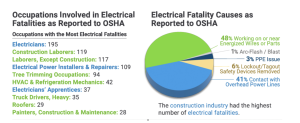
Key Takeaways:
1.Window vs. Mirror Perspective: Evaluate whether you are self-reflective (mirror) or outward-focused (window) in safety practices.
2.“Learn-It-All” Mindset: Embrace a continuous learning approach over the “know-it-all” attitude.
3.The Numbers Don’t Lie: Despite advancements in PPE and training, electrical fatalities remain stagnant, demanding deeper industry introspection.
4.Accountability Saves Lives: The role of dedicated observers and adherence to safety protocols cannot be overstated.
5.A Culture of Safety: Building relationships and fostering open communication among crews enhance workplace safety.
6.Personal Responsibility: Safety isn’t just about individual choices—it impacts families and communities.
You can read the current magazine at Incident Prevention Magazine.
Subscribe to Incident Prevention Magazine – https://incident-prevention.com/subscribe-now/
Register for the iP Utility Safety Conference & Expo – https://utilitysafetyconference.com/
The Voice of Experience with Danny Raines podcast is produced by the same team that publishes Incident Prevention. It delivers insights based on Danny’s regular column in the magazine, also called the Voice of Experience. To listen to more episodes of this podcast, as well as other podcasts we produce, visit https://incident-prevention.com/podcasts. You can reach Danny at rainesafety@gmail.com
Purchase Danny’s Book on Amazon – https://a.co/d/556LDvz
#UtilitySafety #ElectricalSafety #PPEInnovation #LinemanLife #SafetyCulture #DannyRaines
Voice of Experience – Surviving the Storm: Lessons from the Field with Danny Raines, CUSP
In this episode of The Voice of Experience, Danny Raines, CUSP, shares his invaluable insights from decades of storm work as a lineman and utility safety expert. From the devastation of Hurricane Katrina to modern-day storm recovery challenges, Danny takes us through the physical and mental toll of responding to natural disasters. He explains the dangers of backfeeds, the rise of alternative energy sources, and the importance of verifying safety before restoring power. Learn from his firsthand stories, safety lessons, and how the landscape of utility work has evolved over the years. Whether you’re in the utility industry or just curious about storm response, this episode offers a wealth of knowledge from one of the most respected professionals in the field.
Key Takeaways:
- The dangers of storm work: Power restoration involves more than meets the eye, especially with evolving technology like solar panels and generators creating backfeed hazards.
- Mental and physical challenges: Long hours, dangerous conditions, and the emotional impact of storm recovery can lead to severe fatigue and stress.
- Importance of testing and verifying: Danny stresses the importance of safety procedures, especially when dealing with energized systems after a storm.
- Stories from the field: Real-life experiences from Hurricane Katrina and other storms demonstrate the unpredictable nature of storm recovery.
- Utility evolution: Changes in technology, regulations, and community expectations are reshaping the utility industry’s response to natural disasters.
You can read the current magazine at Incident Prevention Magazine.
Subscribe to Incident Prevention Magazine – https://incident-prevention.com/subscribe-now/
Register for the iP Utility Safety Conference & Expo – https://utilitysafetyconference.com/
The Voice of Experience with Danny Raines podcast is produced by the same team that publishes Incident Prevention. It delivers insights based on Danny’s regular column in the magazine, also called the Voice of Experience. To listen to more episodes of this podcast, as well as other podcasts we produce, visit https://incident-prevention.com/podcasts. You can reach Danny at rainesafety@gmail.com
Purchase Danny’s Book on Amazon – https://a.co/d/556LDvz
#UtilitySafety #StormWork #HurricaneKatrina #LinemanLife #BackfeedDangers #MentalHealthMatters #TestAndVerify #PowerRestoration #StormRecovery #AlternativeEnergy #UtilityIndustry #SafetyFirst #DannyRaines #CUSP #ElectricGrid #DisasterResponse
