
LOOKING FOR SOMETHING?

John-Morton-2-Web.jpg

2014 USOLN Safety Award Winners Announced
Written by Kate Wade on . Posted in , .

John-Morton-2-Web.jpg

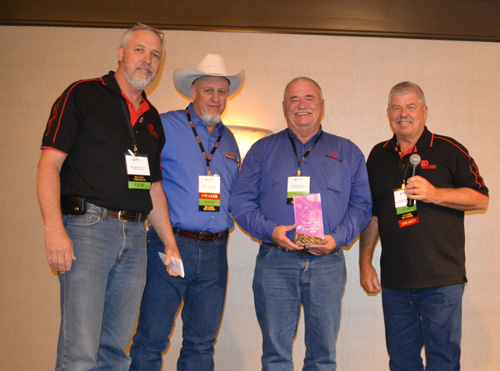
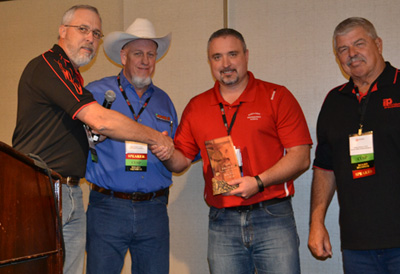
During the iP Utility Safety Conference & Expo held this November in Costa Mesa, Calif., representatives from the Utility Safety & Ops Leadership Network presented the 2014 Carolyn Alkire Safety Advocate Award to John Morton, CUSP, of Willbros Utility T&D, and the 2014 John McRae Safety Leadership Award to John Price, CUSP, of ENMAX Power Corp.

The Carolyn Alkire Safety Advocate Award honors Carolyn Alkire, a 40-year employee of San Diego Gas & Electric and a partner in safety to the U.S. electric utility industry. Alkire passed away on July 11, 2008. She was active in a variety of industry groups including iP safety conferences, the Inter-Utility Overhead Training Association, Western Underground and the Institute for Safety in Powerline Construction.

Morton was chosen to receive this award because he has been a valuable supporter of the USOLN from the very beginning, according to Carla Housh, USOLN executive director and publisher of Incident Prevention magazine. “John is a member of the USOLN’s board of directors and actually sat for the Certified Utility Safety Professional exam when it was first offered at our safety conference in Denver in 2010,” she said. “Much like Carolyn Alkire, John works very hard to maintain a strong safety culture for his employer. He is dedicated to making sure all Willbros employees go home to their families each day.”

Morton began his career in the electrical industry in 1970 for Houston Lighting and Power, now known as CenterPoint Energy, and in 1997 he accepted a position at Texas A&M University’s extension service as a trainer for the electric and communication industry. In 2004 Morton became director of safety and training for Willbros T&D Services in Texas, where he was instrumental in writing the company’s safety standard and implementing a Department of Labor-approved apprenticeship training program that has been recognized by the Texas Veterans Commission. In September of this year, Morton was named director of HSE for Willbros Utility T&D, one of four segments within Willbros Group that is specifically aligned with the utility industry. The segment has components in Vermont, Maryland, Virginia, Texas, New Mexico, Oklahoma and Florida. Morton is also a voting member of ASTM International Committee F18 on Electrical Protective Equipment for Workers.

When asked how he felt about receiving the award, Morton said he was “surprised and humbled. First and foremost, I want to thank the awards committee. This is a huge standard and responsibility to maintain, and I will do my best to ensure that my actions and activities continue to show honor and respect for Carolyn, the USOLN, Willbros, and for all of the people that it is my honor and pleasure to interact with on a regular basis. Honesty, character and ethics should be a part of every safety professional’s life, and I will do all in my power to inspire others to strive for excellence and the safety of all employees everywhere.”

When he’s not working, Morton and Yvonne, his wife of 45 years, spend as much time as possible with their children and grandchildren. They also enjoy fishing, hunting and going on cruises whenever opportunities present themselves.
John-Price-3-WebA Strong Safety Leader
The John McRae Safety Leadership Award was created to honor John McRae, a fourth-generation lineman who enjoyed an inspiring 42-year career before passing away on July 27, 2010. He was active in the military reserves for nearly 30 years and instrumental in establishing the Massachusetts Municipal Lineman’s Association. McRae, a member of San Diego’s IBEW Local 465, spoke across the country about electrical training and went on to assist in the launch of Incident Prevention magazine.

“John Price is a strong safety leader much like John McRae,” said Housh of the decision to present Price with the award. “He joined the USOLN in 2012 and has been a Certified Utility Safety Professional since passing the exam in 2013. In the last year there has been a strong interest in building a Canadian version of the CUSP program, and John is working with other Canadian utility safety professionals to develop a path to make that happen. John is a true professional and has dedicated untold hours toward this goal.”

Price has been in the electric industry since 1997, began his power-line technician apprenticeship in 1999 and became a journeyman in 2003. Starting in 2004 he spent eight years in the fire department in Calgary, including four years in emergency management and health and safety. During that time Price also worked as a contractor for electrical installers in and around Calgary. He joined ENMAX Power Corp. in 2011 as a safety specialist, served as a field services safety supervisor in 2012, and now acts as the organization’s manager of safety, work methods and quality management.

“I have a passion for safety and a sincere desire to do what I can to benefit the health and safety of all workers,” Price said after receiving his award. “It’s easy to say that we care about the health and safety of workers, but putting actions to words has been my goal. As a group, the USOLN is working to align safe work practices and methods across the North American utility industry to ensure that every worker goes home the same way they came to work.”

Price has been married for 21 years and has two children, Liv, who is 16, and Payton, who is 14. He’s earned a number of certifications and holds a bachelor’s degree in kinesiology from the University of Calgary.

For more information about the awards, including how to nominate someone for a 2015 award, please contact Carla Housh at carla@incident-prevention or 815-459-1796.

IP ARTICLE VAULT 2004 - 2015

Human Performance Tools: Important or Critical?

2014 USOLN Safety Award Winners Announced

Arc Flash and the Benefits of Wearing PPE

Closing the Safety Gap

Chainsaw Safety, Planning and Precision Felling Techniques

Train the Trainer 101: Substation Entry Policies

Voice of Experience: How Does the Employer Ensure and Demonstrate?

December 2014 Q&A

December 2014 Management Toolbox

Lessons Learned, Successful Implementation of Behavioral Safety Coaching

The Pain Game: Preventing MSDs

Eliminating Excuses

Training for the New Century

Fall Protection by the Numbers

Injury Free Change

What It Takes to be a Safety and Compliance Leader

Why Single-Point Grounding Works

The Burning Question

Notes From the Underground

Leadership Influencing the Culture

Ergonomics: Preventing Injury

Taking Safety to the Next Level

4 Rules to Live By

Frostbite

A Friend in Need at Indiana Rural Electric Coops

Cleaning Rubber Goods for Safety

Lowering the Threshold

CAVE-IN! Increasing Job Site Safety & Reducing Costs

Keeping the ‘Fighter Pilots’ of Your Company Safe

Safety Comes First at SM Electric

Dramatic Results

Focusing on Safety at Comcast

When is a Lineman a Lineman?

Making Sure Everyone Goes Home Safe at Southern California Edison

Stay Alert! Work Safe!

Everyone Benefits at Charter Communications

Dissecting an OSHA Inspection

Top Five PPE Mistakes

Ultimate Protection

Learning Curve

Total Success at Dominion

NESC-2007 Update

Making Safe Choices

Tips for Improving Incident Investigation Interviews – Part 1: Preparation

The Key to Safety at KCP&L

Digging Out – The Interagency Snow Rescue Task Force

LockOut TagOut

Tips for Improving Incident Investigation Interviews- Part 2: Contact Time

Dreams Can Become Reality: SDG&E Flex Center

Bridging Communication Gaps

Equipotential Grounding at AEP

Training Development

Focusing on a Safety Culture at Consumers Energy

Substations: Eliminating the Dangers Within

Ensuring Safety at Grand Bahama Power

Perfect Storm – The Case for AED’s

Embracing Change: Think Human Performance

NESC 2007 FLAME RESISTANT CLOTHING

Managing Safety Rule Violations

Passion for Safety

How to Bulletproof Your Training

Tower Rescue Pre-planning Pays Off

Managing Safety

Effective Fall Protection for Utility Workers

Safety Information Superhighway

Inspection of Wooden Poles

Free Climbing vs. Safer Climbing

Safety Culture Success

Inspecting, Cleaning and Storing Live-Line Tools

Arc Flash – Are You in Compliance?

Human Performance

Training Second Point of Contact

Preventing Underground Damage

Keeping Things Safe in the Field and the Office

Winter Safety Vehicle Checklist

Strategies for Safety in the Wind Industry

What’s in a Number?

How to Choose and Use Ergonomic Hand Tools

Meeting the Challenge

Machine Safety

What You Need to Know About Substations

Moving from Operations into Safety or Training

Distribution Dispatcher or System Operator?

High Visibility and Arc Ratings for Flame Resistance

Stuck in the Mud

Aerial Rescue

Going With the Wind

Incident Analysis

Hidden Traps of Generator Use and Backfeed

Making the Right Choice

Soil Resistivity Testing & Grounding System Design: Part I of II

Succession Syndrome

Making Safety a Core Value

Floodwater Hazards and Precautions

Know the Signs and Symptoms of Heat-Related Illnesses

Huge Steps

Seamless and Compliant

Soil Resistivity Testing & Grounding System Design: Part II of II

Aerial Lifts

How Good Are Your Tailgates?

Root Cause Analysis

Maturity Matters

What Do We Do About Arc Hazard?

NESC-2012-Part 4: Summary of Change Proposals

A FULL Commitment

Arc Suppression Blanket Installation

What Does NFPA 70E Mean To You?

How Safe Are Your Ground Grids?

Introducing a New Certification Program for Utility Safety Professionals

Confused About Arc Flash Compliance?

Analyzing Safety and Hazards on the Job

Error-Free Performance

People Focused Safety

No Substitute

Error-Free Performance: Part II

Heard It Through the Grapevine

Best Practices

Line of Fire

Is Your Company Ready for the Next Disaster?

Preventing Employee Exposure to Pesticides

Compressed Gas Cylinder Safety

LOTO vs. Switching and Tagging

Are You on Cruise Control?

Solid Footing

Hand Protection

Crane & Derrick Compliance

Mind Control: Distractions, Stress and Your Ability to Work Safely

Rubber Insulating Line Hose

Procedure for Reducing Injuries

Huskie Tools Opens New Fiberglass Restoration Division

A92.2: The 2009 Standard

Vehicle Operation Winter Readiness

ATV Safety Begins with Proper Training

Innovate or Follow: The Argument Against A Best Practice

Northeast Utilities Takes Safety Off-Road

High-Pressure Hydraulic Injection Injuries

100 Percent Fall Protection: A Joint Union-Management Effort

Crew Foreman Needed: Who Do We Pick?

Behavior Safety: A Safety Program’s Missing Link

Challenges & Successes

Drop Zone Management: Expanding Our View of Line of Fire

Taking Stock of Your Fall Protection Compliance

Live-Line Tool Use and Care

Employee Training: How Hard Can It Be?

Supervisory Skills for Crew Leaders

Equipment: Back to Basics

A Second Look at Safety Glasses

Competition for a Cause

Human Behavior and Communication Skills for Crew Leaders

Cultivating a Mature Workforce

What’s Your Seat Belt IQ?

Substation Safety

No-Voltage Testing

Five PPE Safety Challenges

Safety Circuitry: The Power in the Brain

Arc Flash Exposure Revisited: NESC 2012 Part 4 Update

T&D Best Practices for Crew Leaders

CUSP Basics: Introduction to Human Performance Principles

Felling of Trees Near Power Lines

Working in Winter

Back to the Basics: PPE 101

Hearing Conservation: An Interesting Challenge

T&D Safety Management for Crew Leaders

Basic Qualifications of Employees

FR Layering Techniques

Safety Rules and Work Practices: Why Don’t They Match Up?

Effective Customer Relationships for Crew Leaders

The Value of Safety Certification

Safety Leadership in a Written Pre-Job Briefing

Communication: The Key to Great Safety

Safe Use of Portable Electric Tools, Cords and Generators

Keys to Effective Fall Protection

Integrity and Respect: Two of Our Most Important Tools

The Intersect: A Practical Guide to Work-Site Hazard Analysis

Strategic Safety Partners

Behavior Safety Training for Safety Committee Members

Combating Overuse and Overexertion Injuries

Safe Digging – Get the 411 on 811

Apprenticeship Training

How S.A.F.E.T.Y. Brought Bluebonnet Through the Fires

Formal vs. On-the-Job Training

That’s What I Meant to Say: Safety Leadership in Communication

The Value of Personal Protective Equipment

Safety and Human Performance: You Can’t Have One Without the Other

Oh, No! Changes in the Workplace

Performance Improvement: Barriers to Events

Train the Trainer 101: Ferroresonance Explained

Voice of Experience: Safety Excellence Equals Operational Excellence

A Mirror: Your Most Important PPE

Care of Portable Ladders

Voice of Experience: FMCSR Compliance: Driver Qualification Files

Train the Trainer 101: Enclosed Space Rescue

Keys to Evaluating and Comparing Arc-Rated and Flame-Resistant Fabrics

Raising the Bar, Lowering the EMR

How Six Sigma Can Improve Your Safety Performance

Detecting Shock Hazards at Transmission Line Work Sites

Care and Maintenance of Climbers

Voice of Experience: Are You Ready for the Big Storm?

Train the Trainer 101: Working from Crane-Mounted Baskets

Learning Leadership: The Leadership Paradigm Shift

Are You Prepared for the Next Generation of Lineworkers?

Implementing a Zero Injury Program

Public Safety and Our First Responders

Managing Cold Stress

Live-Line Work on the Jersey Shore

Soil Classification and Excavation Safety

Voice of Experience: The Definition of Personal Protective Equipment

Learning Leadership: Leadership Skill Set 1: Self-Awareness

Evaluating Crew Supervisors

Train the Trainer 101: Arc Hazard Protection

NESC and ANSI Z535 Safety Sign Standards for Electric Utility Power Plants and Substations

Working Safely with Chain Saws

The Globally Harmonized System for Classifying and Labeling Chemicals

Voice of Experience: The Cost of Business

Train the Trainer 101: Understanding Grounding for the Protection of All Employees

Learning Leadership: Leadership Skill Set 2: Self-Regulation

Occupational Dog Bite Prevention & Safety

Safety Awareness for Substations

Bighorn Sheep vs. Lineworkers: What’s the Difference?

OSHA Job Briefing Basics

Voice of Experience: Training for the Qualified Employee

Train the Trainer 101: ASTM F855 Grounding Equipment Specs Made Simple

Foundation Drilling Safety: The Aldridge Electric Story of Success

The Authority to Stop Work

Starting From the Ground Up

Understanding Step and Touch Potential

Multitasking vs. Switch-Tasking: What’s the Difference?

Voice of Experience: Incidents and the Failure to Control Work

Train the Trainer 101: Live-Line Tool Maintenance Program

Passing the CUSP Exam

Learning Leadership: Leadership Skill Set 4: Social Awareness

Ergonomics for Lineworkers

Are Your Temporary Protective Grounds Really Protecting You?

Voice of Experience: Working On or Near Exposed Energized Parts

Train the Trainer 101: Why You Need More than 1910 and 1926

Transitioning to FR Clothing

Leadership Skill Set 5: Social Persuasion

Safety Management During Change

Spice It Up!

The Singing Lineman

Emergency Action Plans for Remote Locations

Trenching and Excavations: Considerations for the Competent Person

Traffic Safety for Lineworkers

Using Best Practices to Drive Safety Culture

Voice of Experience: The Globally Harmonized System is Here

Train the Trainer 101: Grounding Trucks and Mobile Equipment

The Power of an Effective Field Observation Program

What OSHA’s Proposed Silica Rule Means to You

2013 USOLN Safety Award Winners Announced

Learning Leadership: Personal Protective Emotional Armor: Part 1

Electrical Capacitors in AC Circuits

Improving Safety Through Communication

The Benefits of The CUSP Credential

Voice of Experience: Why Did I Do That?

Train the Trainer 101: Practical Elements for Developing a Safety Culture

Learning Leadership: Personal Protective Emotional Armor: Part 2

Fact-Finding Techniques for Incident Investigations

Electrical Safety for Utility Generation Operations Personnel: A Practical Approach

Addressing Comfort and Contamination in Arc-Rated Clothing

Are You Your Brother’s Keeper?

2013 iP Safety Awards

A Key to Safety Performance Improvement

Salt River Project: Devoted to Safety Excellence

Train the Trainer 101: Safety Incentive Programs

Voice of Experience: OSHA 300 Record-Keeping Rules

Understanding and Influencing the ‘Bulletproof’ Employee

Sustaining Safety Successes

Accident Analysis Using the Multi-Employer Citation Policy

PPE: Much More Than Basic or General Protection

Voice of Experience: Understanding Enclosed and Confined Spaces

Train the Trainer 101: OSHA Forklift Certification Requirements

June 2014 Q&A

Injury Prevention Through Leadership, Employee Engagement and Analytics

NFPA 70E Arc Flash Protection for Nonexempt Industry Workers

The Final Rule

Distributed Generation Safety for Lineworkers

The Perils of Distracted Driving

August 2014 Q&A

Voice of Experience: OSHA Eye and Face Protection Standards

Train the Trainer 101: Fall Protection and the New Rule

Responding to Pole Fires

SRP Rope Access Program Addresses Towers of Power

Elements of an Effective Safety Committee

Mitigating the Risks of Aerial Patrols

Job Briefing for One

Culture Eats Programs for Breakfast

October 2014 Q&A

Voice of Experience: Flame-Resistant Apparel is Now PPE

Train the Trainer 101: Stringing in Energized Environments

The Risks and Rules of Chainsaw Operation

Behavior-Based Safety: What’s the Verdict?

Photovoltaic Solar Safety Management for Utilities

Drones and the Future of Tower Safety

Storytelling as a Management Tool

Safety and Common Sense

Snubbing to Steel Lattice Structures: Lessons Learned

February 2015 Management Toolbox

February 2015 Q&A

Voice of Experience: The Importance of Job Briefings

Train the Trainer 101: Addressing Anchorages

Recent PPE Changes and 2015 Trends

Growing a Human Performance Culture

Measuring, Planning and Cutting Methods for Chainsaw Operators

The Importance of Matching Evidence Marks in Accident Investigations

Safe By a Nose

Overhead Utility Hazards: Look Up and Live

April 2015 Management Toolbox

April 2015 Q&A

Voice of Experience: OSHA Updates to Arc-Rated FR Clothing Requirements

Train the Trainer 101: The OSHA-EEI Subpart V Settlement

The Safety Side Effect: How Good Supervisors Coincidentally Improve Safety

Facing Unique Challenges

The Roller-Coaster Life Cycle of IEEE 1307

The Power of Human Intuition

Thirty Years of Personal Perspective

The Most Important Tool on the Job Site

June 2015 Management Toolbox

June 2015 Q&A

Voice of Experience: Fundamentals of Underground Padmount Transformers

Train the Trainer 101: Back to Basics: ‘Gentlemen, This is a Football’

Arrive Alive

How to Navigate the FR Clothing Marketplace

Making the Switch

Understanding OSHA Electric Power Training Requirements

Distribution Switching Safety

Human Performance and a Rat Trap

August 2015 Management Toolbox

August 2015 Q&A

Voice of Experience: Power Generation Safety and the OSHA Update

Stringing Best Practices: Mesh Grips vs. Preforms

Understanding Safety Culture Through Perception Surveys

RF Safety for Utility Workers

2015 USOLN Safety Award Winners Announced

Train the Trainer 101: Practical Underground Safety: Handling Neutrals and Rescue

Voice of Experience: PPE Regulatory and Consensus Standard Requirements

December 2015 Q&A

December 2015 Management Toolbox

The 911 Dilemma

Spotters: A Critical Element of Site Safety

Coping With Industry Changes

The Safety Coaching Observation Process

Fundamentals of Substation Rescue Plans

Recruiting and Training the Next Generation

Shifting Your Organizational Safety Culture

Investigating Industrial Hygiene at Salt River Project

Train the Trainer 101: Practical MAD and Arc Flash Protection

Voice of Experience: Clearing Up Confusion About 1910.269

October 2015 Q&A

October 2015 Management Toolbox

N95 Filtering Face Pieces: Where Does Your Organization Stand?

Stepping Up Steel Safety Education

Rigging Fundamentals for Utilities

Arc Flash Mitigating Technologies and the OSHA Final Rule

Train the Trainer 101: Practical Personal Protective Grounding

OSHA and the Host-Contractor Relationship