
Incident Prevention Utility Safety Podcast
Welcome to the iP Utility Safety Podcast, your go-to resource for enhancing safety, leadership, and operational excellence in the utility industry. We cover a wide range of topics, including building a culture of safety, innovative safety programs, human performance, and strategies for preventing workplace injuries. Each episode delivers actionable insights to help utility professionals foster safer work environments and achieve organizational success.
PODCASTS BY INTERVIEWER
Utility Safety Podcast – Deep Dive – Spiritual Preparation for Safer Work written by Tom Cohenno
Read the article written by Tom Cohenno, Ed.D., CSP, CUSP, NBC-HWC: https://incident-prevention.com/blog/spiritual-preparation-for-safer-work/
The provided text explores the concept of spiritual preparation as a vital component of occupational safety, particularly within high-stakes utility work. It argues that while rules and training are necessary, they often fail when workers face stress or fatigue, leading them to take calculated risks. To bridge this gap, the author advocates for the development of a personal moral code that provides workers with a sense of purpose and identity during adversity. Drawing on philosophical excellence, military discipline, and psychological connection, the source suggests that internalizing values like “being a brother’s keeper” ensures consistent behavior when shortcuts seem tempting. Ultimately, this approach aims to reduce serious injuries and fatalities by anchoring professional decisions to deep-seated convictions rather than temporary convenience. This defensive working mindset encourages employees to clarify their standards before entering high-pressure situations to ensure they return home safely.
Key Takeaways
- The Risk Gap Phenomenon: Serious injuries often occur not because workers are ignorant of rules, but because they consciously decide to bypass them due to “perceived risk”—subjective feelings that a shortcut is safe because “it will only take a second”.
- Neurological Failure Under Stress: Under high pressure, the logical prefrontal cortex “powers down,” and the amygdala (emotional center) takes over, causing people to prioritize immediate values like speed or convenience over abstract safety protocols.
- Redefining “Spiritual” Preparation: In a safety context, “spiritual” refers to an individual’s internal collection of commitments and moral code—the standard they refuse to drop below even when exhausted or unmonitored.
- The Power of Premeditation: Using the concept of Arete (excellence of character) and Premeditatio Malorum (premeditation of evils), workers can mentally “micro-dose” stress by visualizing hazards in advance, ensuring their response is deliberate rather than panicked when a crisis occurs.
- Shared Duty as a Shield: Strong internal commitments, such as the US Army’s model of spiritual fitness or a shared sense of duty, can override biological self-preservation instincts to ensure team safety during chao
Questions & Answers
1. Why is traditional safety training often insufficient during a high-pressure crisis? Traditional training targets the rational, rule-following brain. However, during extreme stress, the brain’s logical centers may “lock away” the rulebook, leaving unconscious drivers and immediate values to dictate behavior.
2. What is “Premeditatio Malorum,” and how does it improve safety? It is a classical philosophy practice of visualizing potential problems (like equipment failure or storms) before they happen. This “practices the panic” while the rational brain is still online, so that if the event occurs, the nervous system recognizes it as a familiar situation rather than a novel threat, preventing a blinding spike of cortisol.
3. What happens when an individual’s personal moral code clashes with a toxic company culture? The transcript poses this as a critical conflict: when a worker’s internal commitment to safety meets an “unspoken culture” that demands speed or profit at all costs, the worker’s “armor” may eventually crack, or they may be forced to leave the organization entirely to protect their integrity.
Subscribe to Incident Prevention Magazine – https://incident-prevention.com/subscribe-now/
Register for the iP Utility Safety Conference & Expo – https://utilitysafetyconference.com/
#WorkplaceSafety #IncidentPrevention #SafetyLeadership #OperationalExcellence #HumanFactors
Utility Safety Podcast – Deep Dive – The Zero Trust Protocol – Surviving the Underground Vault
In this episode, we go beneath the surface into the high-stakes, “unforgiving” world of medium-voltage underground cable splicing. Drawing from Mark Savage’s expert insights in Incident Prevention Magazine, we explore why cable identification isn’t just a technical task—it’s a survival skill. We break down the “Zero Trust” philosophy where every cable is treated as lethal until proven otherwise, and even then, safety margins remain non-negotiable. From arc flashes hotter than the sun to 40-foot remote hydraulic cutters, learn how elite utility professionals engineer redundant systems to eliminate single points of failure. Whether you are in the trenches or the boardroom, this episode offers a masterclass in total risk mitigation.
Read the article here: https://incident-prevention.com/blog/cable-identification-and-cutting-safety-for-medium-voltage-splicers/
Key Takeaways:
- The Zero Trust Mindset: Workers must assume every cable is energized and lethal, even after a “green light” or testing indicates otherwise.
- The Physics of Failure: An arc flash in a medium-voltage environment can reach 35,000°F—hotter than the surface of the sun—instantly vaporizing copper and creating concussive pressure waves.
- Redundant Layers of Defense: Safety is achieved through overlapping layers: validated PPE (arc-rated clothing and dielectric gloves), administrative lockout/tagout (LOTO) with dual authority, and sophisticated electronic identification tools.
- Induced Voltage Risks: Even a disconnected “dead” cable can become lethal by picking up energy from live parallel cables, acting like a giant transformer; this necessitates strict grounding protocols.
- The “Remote Cut” Rule: The most critical safeguard is that the first cut into a cable must always be made remotely—using hot sticks, Bluetooth, or hydraulic tools—to keep the human worker outside the potential blast radius.
- Maintenance as Safety: A safety system is only as good as its tools; delicate electronic testers must be stored in climate-controlled, shock-absorbing cases to prevent calibration errors that lead to “false positives” on live lines.
Questions and Answers:
1. Why is “Dual Authority” required for removing a lockout tag? Under this protocol, a tag can only be removed when both the Central Dispatch Center and the specific worker who physically placed the tag agree. This prevents dispatch from accidentally re-energizing a line while a worker is still in the vault, ensuring the person in the “line of fire” has the ultimate final say over their own safety.
2. What are the dangers of using a wire-pulling snake during cable identification? A worker should never run a conductive wire-pulling snake through a duct unless the cable inside is definitively proven dead. If the snake encounters an energized cable with degraded insulation, it creates a bridge for an arc flash to travel directly back to the worker’s hands.
3. How do impulse test kits identify a specific cable across distances as long as 20 miles? The kit uses a transmitter at a known point (like a substation) to send a unique, directional, low-voltage electrical pulse pattern down the line. A splicer miles away uses a clamp-on receiver to read that specific pulse, allowing the cable to “broadcast” its identity and even its specific phase.
#UtilitySafety #ArcFlashProtection #ZeroTrust #LineWorker #IncidentPrevention #RiskManagement #UndergoundUtilities #Splicing
Subscribe to Incident Prevention Magazine – https://incident-prevention.com/subscribe-now/
Register for the iP Utility Safety Conference & Expo – https://utilitysafetyconference.com/
Influencing Safety – Looking Upstream – The Secret to Stopping Incidents Before They Start – Bill Martin, CUSP
In this episode of the Influencing Safety podcast, Kate Wade and Bill Martin pull back the curtain on their creative process with a raw, “behind-the-scenes” brainstorming session. They explore the critical shift from reacting to downstream incidents to identifying the “upstream” conditions that create them. By discussing concepts like the “teaspoon fallacy,” psychological safety, and the importance of neurodiversity, they challenge the utility industry to move beyond comfortable data and embrace the uncomfortable curiosity required to save lives.
Key Takeaways
- Look Upstream for Solutions: Focusing only on the outcome of an incident is a downstream reaction; true prevention requires identifying the weak signals and root conditions—such as poor communication or high-pressure environments—that exist higher “up the funnel”.
- The Teaspoon Fallacy: Certainty can be dangerous; humans often defend a “teaspoon” of information as if it were the entire ocean, leading them to dismiss valid ideas or safety concerns simply because they haven’t personally experienced them.
- Engagement is a Condition, Not a Command: Management cannot simply order workers to be engaged. True engagement emerges when managers create psychologically safe environments where even the “back row” feels comfortable speaking up and challenging the status quo.
- Neurodiversity as a Safety Asset: Individuals with neurodivergent traits often excel at early pattern recognition; leveraging these unique skill sets can help organizations spot risks that more neurotypical workers might miss.
- Aligning Three Critical Questions: To solve problems effectively, teams must agree on: what the problem is, what the long-term mission is, and whether short-term measures actually align with that mission.
Questions & Answers
Q: What is “Flow State” and how does it relate to safety?
A: Flow state is a zone of optimal performance where an individual is stretched just enough out of their comfort zone to learn and produce high-quality work without reaching the level of anxiety or stress that inhibits learning.
Q: Why does Bill Martin criticize the industry’s obsession with data?
A: Bill argues that data often reflects outcomes from years prior, and reacting solely to those results ignores the millions of interactions and shifting conditions that have happened since, making it difficult to prove that current actions are truly responsible for change.
Q: According to the episode, what are the four stages of psychological safety?
A: Citing Timothy R. Clark, the stages are: first, feeling safe to be included; second, safe to learn; third, safe to contribute; and finally, safe to challenge the status quo.
#UtilitySafety #PsychologicalSafety #UpstreamThinking #HumanPerformance #IncidentPrevention
Subscribe to Incident Prevention Magazine – https://incident-prevention.com/subscribe-now/
Register for the iP Utility Safety Conference & Expo – https://utilitysafetyconference.com/
The High-Voltage Sleep Gap – Why Rest is the Ultimate PPE with Dr. Eric Rogers
In this episode of the Utility Safety Podcast, host Kate Wade dives deep into the science of sleep with Dr. Eric Rogers, a performance sleep coach who has trained elite military units like the US Navy SEALs. Designed specifically for the high-hazard utility industry, this conversation reframes sleep from a passive recovery state to “the most powerful performance enhancer on the planet”.
Dr. Rogers explores the “inconvenient truths” about how alcohol and caffeine sabotage sleep architecture, the hidden dangers of “micro sleeps” during long shifts, and the life-threatening impact of untreated sleep apnea in the workforce. Whether you are a lineman navigating storm restoration or a leader looking to reduce driving-related accidents, this episode provides tactical, non-medicated strategies to ensure your brain remains the ultimate piece of PPE.
Key Takeaways
- The Brain as Primary PPE: While physical gear is vital, the brain is the command center for every decision; sleep is the primary factor ensuring it functions correctly in high-risk environments.
- The Danger of Micro Sleeps: These involuntary, split-second “brain shutdowns” occur during severe sleep deprivation and are a leading cause of driving accidents after long shifts.
- Alcohol’s False Promise: While alcohol acts as a sedative to help you fall asleep faster, it “wreaks havoc” on sleep architecture, resulting in poor quality, non-restorative rest.
- Tactical Napping & Caffeine: Strategic, short “tactical naps” (even 5 minutes) and early-shift caffeine use are effective tools for managing fatigue during emergency storm restoration.
- Circadian Rhythm Vulnerability: Human bodies are hardwired to be alert during the day; the “trough” of alertness between 2:00 a.m. and 5:00 a.m. makes night shifts and early morning commutes particularly hazardous.
- Cultural Shift in Leadership: Organizations must move away from “praising sleep deprivation” and instead build rest periods and “buddy checks” into job planning to protect workers and productivity.
Questions & Answers
Podcast Episode Overview: The High-Voltage Sleep Gap
Host: Kate Wade, Editor of Incident Prevention Magazine Guest: Dr. Eric Rogers, Founder of Peak Sleep LLC and former sleep specialist for US Navy SEAL teams
In this episode of the Utility Safety Podcast, host Kate Wade sits down with Dr. Eric Rogers to discuss why consistent, high-quality sleep is the most powerful performance enhancer available to utility workers. Drawing on his experience with elite military units, Dr. Rogers explains how sleep deprivation directly impacts the “command center” of the body—the brain—affecting judgment, risk-taking, and physical safety. The conversation covers the “inconvenient truth” about alcohol’s impact on rest, the mechanics of dangerous “micro sleeps” during long shifts, and actionable strategies like tactical napping and box breathing to manage fatigue in high-hazard environments.
Key Takeaways
- The Brain as Primary PPE: Sleep is the number one way to ensure your brain—the command center for every action—is functioning correctly to prevent bad outcomes.
- Alcohol and Sleep Architecture: While alcohol is a sedative that helps you fall asleep faster, it dramatically damages sleep quality by wreaking havoc on your sleep architecture.
- The 24-Hour Impairment Rule: Being awake for 24 hours straight results in reaction times and cognitive abilities equivalent to a 0.10 blood alcohol level.
- Micro Sleep Dangers: These involuntary “brain shutdowns” last from a fraction of a second to several seconds and often happen without the person even realizing it, particularly during repetitive tasks like driving.
- Circadian Rhythm Vulnerability: Human bodies have a natural “trough” or low point in alertness between 2:00 a.m. and 5:00 a.m., making this the most dangerous time for shift work and commutes.
- Tactical Napping: For workers on long shifts, even a 5-to-15-minute “tactical nap” can significantly reduce fatigue and the risk of micro sleeps.
Q & A
Q: How does sleep deprivation compare to alcohol impairment on a job site?
A: When an individual has been awake for 24 hours or more, their cognitive functions, such as reaction time, are equivalent to someone with a 0.10 blood alcohol level. While most crews would never work alongside someone who is actively drunk, many frequently work 24-hour shifts with that same level of impairment.
Q: What is the most effective way to stabilize your internal clock (circadian rhythm)?
A: The single best strategy is to set a consistent wake-up time and stick to it seven days a week. Dr. Rogers notes that waking up at the same time every day is actually more important for your circadian rhythm than going to bed at the same time.
Q: Why is sleep apnea a specific concern for the utility industry workforce?
A: Sleep apnea is a breathing disorder more common in men and those who carry extra weight or significant muscle mass in the neck area. Because it causes the person to briefly wake up dozens of times per hour, it leads to non-restorative sleep and dangerous daytime sleepiness, such as falling asleep unintentionally during meetings or at red lights.
Q: What can leadership do to change the culture around sleep and safety?
A: Leaders should move away from praising sleep deprivation and instead encourage proper rest. This includes building rest periods into job planning, encouraging tactical naps during shifts longer than 16 hours, and using “buddy check” systems for night shifts to ensure no one is working compromised.
#UtilitySafety #SleepPerformance #LinemanLife #SafetyLeadership #FatigueManagement #IncidentPrevention
Subscribe to Incident Prevention Magazine – https://incident-prevention.com/subscribe-now/
Register for the iP Utility Safety Conference & Expo – https://utilitysafetyconference.com/
Built In Not Bolted On – The Fighter Pilot’s Guide to Operational Excellence with Jeff “Odie” Espenship
Join host Doug Hill and guest Jeff “Odie” Espenship—former USAF fighter pilot and founder of Target Leadership—for a deep dive into the heart of high-performance safety culture. In this episode, we move beyond “bolt-on” safety programs to explore how true safety must be built into the daily DNA of an organization. Odie shares powerful lessons from his time in the cockpit, revealing how “the little things” like miscommunication and complacency are the true leading indicators of tragedy. Whether you are a frontline “fighter pilot” or a corporate leader, this conversation offers actionable insights on setting high expectations, fostering open communication, and pursuing excellence to save lives.
Key Takeaways
- “Built In, Not Bolted On”: Safety should not be a secondary add-on; it must be a core, everyday component of how work is performed.
- Focus on Leading Indicators: Accidents often snowball from “little things” like snap decisions, shortcuts, or a lack of attention to detail.
- Leadership at All Levels: Every employee is a “fighter pilot” on the tip of the spear; leadership is an attitude of influence, not just a title.
- The Pursuit of Perfection: While perfection may be unattainable, pursuing it is the only way to consistently achieve the operational excellence required in high-risk industries.
- Overcoming Complacency: Experience can lead to routine, which breeds the “silent killer” of complacency; constant refocusing is necessary to maintain safety.
Questions and Answers
Q: What does Jeff “Odie” Espenship mean by “the little things”? A: He refers to minor errors—such as skipping a step in a lockout/tagout procedure, using the wrong tool, or miscommunicating a detail—that often go unnoticed but can snowball into major accidents.
Q: How can a “culture of blame” be avoided in safety management? A: Leaders must encourage employees to speak openly about “close calls” and leading indicators without fear of retribution, focusing on learning from mistakes to prevent future tragedies.
Q: Why does Odie compare workplace employees to “fighter pilots”? A: He views frontline workers as the “tip of the spear” who are most at risk and whose precision and decision-making are critical to the organization’s success and safety.
Subscribe to Incident Prevention Magazine – https://incident-prevention.com/subscribe-now/
Register for the iP Utility Safety Conference & Expo – https://utilitysafetyconference.com/
#SafetyLeadership #OperationalExcellence #WorkplaceSafety #TargetLeadership #LeadingIndicators #DougHill #Leadership
Utility Safety Podcast – Deep Dive – Using Safety to Drive Operational Excellence – Written By Doug Hill, CUSP
“Built In, Not Bolted On” explores the critical integration of safety into the core of organizational operations rather than treating it as a secondary, compliance-based add-on. Author Doug Hill argues that when safety is established as a fundamental organizational value—rather than just a priority—it naturally drives improvements in quality, productivity, and overall operational excellence. By utilizing Human and Organizational Performance (HOP) principles, the article highlights how a “safety-first” culture motivates employees to follow standards even when unobserved, ultimately reducing rework and fostering a more efficient workforce.
Read the article by Doug Hill, CUSP – Built In, Not Bolted On: Using Safety to Drive Operational Excellence
Key Takeaways
- Safety as a Value, Not a Priority: Priorities can shift depending on the day’s demands, but values remain constant. When safety is a value, employees adhere to standards because they see the inherent worth in them.
- The Interconnectivity of Success: Safety, quality, and productivity are not silos. A safe process is often a high-quality process that leads to productive outcomes.
- Human and Organizational Performance (HOP): Systems should be designed so that processes are easy to follow and make sense to the people actually doing the work.
- The Power of “Why”: Employees are more likely to follow protocols (like wearing PPE) when they understand the personal stakes (family, health, well-being) rather than just trying to avoid a reprimand.
- Learning from Success: Organizations should focus on learning from what goes right just as much as they learn from failures to identify opportunities for continuous improvement.
3 Questions and Answers
Q1: What is the main difference between safety being a “priority” versus a “value”? A1: A priority is something that can change based on circumstances or pressure (like a deadline), whereas a value is a core belief that remains constant regardless of the situation. When safety is a value, it is integrated into every action naturally.
Q2: How does the article suggest safety impacts productivity and quality? A2: The author uses the analogy of building a child’s bicycle: because you care about the safety of the rider, you follow instructions more carefully (Quality), which ensures the bike works correctly the first time and doesn’t require repairs (Productivity/Efficiency).
Q3: Why is “peer-to-peer support” mentioned as a critical factor in safety culture? A3: Because supervisors cannot be everywhere at once. A strong safety culture relies on workers looking out for one another and holding each other accountable to standards even when leadership is not present.
#UtilitySafety #OperationalExcellence #OccupationalSafety #HOP #WorkplaceCulture #IncidentPrevention
Subscribe to Incident Prevention Magazine – https://incident-prevention.com/subscribe-now/
Register for the iP Utility Safety Conference & Expo – https://utilitysafetyconference.com/
Built In, Not Bolted On – Paying it Forward – Building a Safety Culture for the Holidays
In this episode of “Built In, Not Bolted On,” host Doug Hill and guest Nick discuss the concept of “paying it forward” as a proactive approach to safety and mental well-being during the stressful holiday season. They explore how small acts—like salting a neighbor’s walkway or simply asking a coworker “are you okay?”—can prevent failure and build a stronger, more supportive culture. The conversation highlights the dangers of distracted driving, the impact of winter weather on utility work, and the importance of checking in on colleagues who may be struggling with personal stressors.
Key Takeaways
- Paying it Forward is an Investment: Paying it forward isn’t just about buying coffee; it’s an investment in others that pays dividends by setting them up for success and safety.
- Proactive Safety Measures: Practical acts like salting walkways or ensuring cars have fuel and emergency gear help others avoid failure and stay safe during winter travel.
- Mental Well-Being Check-ins: The holidays bring hidden stressors (financial, family, travel). Asking coworkers “Are you okay?” or “I got you” can uncover these “X factors” and provide much-needed support.
- The “Glass House” of Leadership: Effective leadership involves “paying it forward” by mentoring the next generation, a concept exemplified by industry veterans who continue to teach safety even after retirement.
- Distracted Driving Dangers: The first snow of the season often catches drivers off guard. Preparing for winter conditions is a critical way to pay it forward to your family and fellow commuters.
Questions & Answers
1. What is the core theme of this episode? The core theme is “paying it forward, not looking back,” which involves taking proactive steps during the holiday season to ensure the safety and success of others, rather than just reacting to problems.
2. How does Doug Hill define “paying it forward” in a safety context? Doug defines it as making an investment in other people to set them up for success, such as salting a walkway to prevent falls or ensuring vehicles are fueled to avoid being stranded in bad weather.
3. What specific winter driving advice does Doug give to his daughters? He advises them to always keep an extra coat and boots in the car to be prepared if they get stranded, emphasizing the need to mentally shift and prepare for winter conditions.
4. How can coworkers support each other’s mental well-being during the holidays? Coworkers can pay it forward by asking “Are you okay?” if someone is acting abnormally, recognizing that financial or family stressors may be affecting their focus and safety on the job.
5. What is the origin story of “paying it forward” mentioned by Doug? Doug shares that the concept originated in his hometown of Midland, Michigan, with a young boy named Jaden Lamb, who passed away from cancer but inspired others to do good deeds for one another.
6. What is the “I got you” concept discussed by Nick and Doug? It is a simple phrase or text used between colleagues to reassure each other that they have support and communication lines are open, reinforcing trust and safety.
Subscribe to Incident Prevention Magazine – https://incident-prevention.com/subscribe-now/
Register for the iP Utility Safety Conference & Expo – https://utilitysafetyconference.com/
Built In, Not Bolted On with Doug Hill, CUSP – Rethinking Job Briefs – Why the End of the Day Matters Most
In this episode of Built In, Not Bolted On, host Doug Hill challenges traditional thinking around job safety practices. He explores the effectiveness of pre-job briefs, mid-day check-ins, and post-job reviews, emphasizing how learning from experience—especially at the end of the day—can dramatically improve safety outcomes. Drawing inspiration from aviation and military after-action reviews, Doug outlines how three simple questions can spark a culture of continuous improvement and safer work environments.
✅ Key Takeaways
-
Pre-job briefs are essential—but post-job briefs may hold even more value in fostering continuous improvement.
-
A “mid-day check-in” helps adjust controls based on changing conditions like weather or job scope.
-
Successes should be analyzed as deeply as failures to uncover replicable best practices.
-
Three core post-job questions—What went well? What didn’t? What can we learn?—drive future safety improvements.
-
Brief, honest conversations at the end of the day can improve the next day’s job planning significantly.
Q1: Why is the post-job brief considered more valuable than the pre-job brief by aviation professionals?
A1: Because post-job briefs provide real-time insights and lessons learned from completed tasks, which shape better, more informed pre-job briefs the following day.
Q2: What are the three questions Doug recommends asking during a post-job brief?
A2: 1) What went well? 2) What didn’t go well? 3) What can we learn to improve for the future?
Subscribe to Incident Prevention Magazine – https://incident-prevention.com/subscribe-now/
Register for the iP Utility Safety Conference & Expo – https://utilitysafetyconference.com/
#UtilitySafety #SafetyCulture #AfterActionReview #WorkplaceSafety #JobBriefing #ContinuousImprovement
Tailgate Topics Podcasts
Tailgate Topics – The Dangers of Distraction: Staying Focused in High-Risk Utility Work by Scott Perrin
In this episode of Tailgate Topics, host Rod Courtney is joined by Nick from Utility Business Media to discuss one of the biggest safety risks in the utility industry—distractions. Inspired by Scott Perrin’s article, The Dangers of Distraction: Staying Focused in a High-Risk Environment, this conversation dives into how mental drift, complacency, fatigue, and technology impact workplace safety.
Read the article: https://incident-prevention.com/blog/the-dangers-of-distraction-staying-focused-in-a-high-risk-environment/
From distraction-related vehicle accidents to the role of fatigue and stress in high-risk environments, this episode explores real-world examples and practical strategies for reducing workplace hazards. Tune in to learn how small changes in awareness and environment can help prevent serious injuries and fatalities in the utility industry.
Key Takeaways:
✔️ Distractions are unavoidable, but they can be managed.
✔️ Fatigue, complacency, and stress increase the risk of accidents.
✔️ Cell phones and modern technology are major workplace distractions.
✔️ Taking scheduled breaks and staying mindful can improve focus and safety.
✔️ Vehicle accidents due to distracted driving are a growing financial burden for utilities.
✔️ Simple steps, like identifying distractions and using hands-free devices, can help reduce risk.
Subscribe to Incident Prevention Magazine – https://incident-prevention.com/subscribe-now/
Register for the iP Utility Safety Conference & Expo – https://utilitysafetyconference.com/
#UtilitySafety #WorkplaceDistractions #SafetyCulture #HighRiskJobs #FatigueAwareness #ComplacencyKills #DistractionFreeWork #UtilityWorkers
Tailgate Topics – Power Restoration Triage and Delta Systems – William Martin, CUSP, RN, NRP, DIMM
August 25, 2023
In this episode of Tailgate Topics, Rod Courtney, CUSP interviews William Martin, CUSP, RN, NRP, DIMM ON his article in Incident Prevention Magazine titled “Power Restoration Triage and Delta Systems”
Important points in the article cover –
- The importance of triage in power restoration: Triage is a way of prioritizing outages so that the most critical ones can be restored first. This is important because it helps to minimize the impact of the storm on businesses, homes, and public safety.
- The different types of triage systems: There are a number of different triage systems that can be used for power restoration. The best system for a particular situation will depend on the factors involved, such as the size and complexity of the outage, the availability of resources, and the severity of the weather conditions.
- The unique challenges of triaging delta systems: Delta systems are more common in rural areas and small communities. They pose unique challenges for triaging because they can create low-voltage conditions that can damage customer equipment.
- The insights of experts in the field: We’ll hear from experts in the field of power restoration to get their insights on how to do triage effectively. This will include tips on how to prioritize outages, how to choose the right triage system, and how to deal with the unique challenges of delta systems.
About the Author: Bill Martin, CUSP, NRP, RN, DIMM, is the president and CEO of Think Tank Project LLC (www.thinkprojectllc.com). He has held previous roles as a lineman, line supervisor and safety director.
Read the article – https://incident-prevention.com/blog/power-restoration-triage-and-delta-systems/
Register for the iP Utility Safety Conference & Expo to hear Bill & Rod Courtney speak – https://utilitysafetyconference.com/
Tailgate Topics – Discuss Drug & Alcohol Awareness on the Job Site – Jesse Hardy, CSP, CIT, CUSP, PCC
June 13, 2023
In this episode Rod covers with Jesse a host of job site issues that relate to drugs and alcohol. This is a very great subject to review with your team and pay attention to on the job site.
You see, this isn’t a “they have a problem” sort of problem – it’s a “we have a problem” sort of problem. It’s the kind of problem that we need to talk about for the sake of you and your family, your company, our industry and our nation.
To share feedback about this podcast, reach out to Jesse Hardy at jessehardy@yahoo.com or our Host Rod Courtney at rod.courtney.usoln@gmail.com
View Jesse Hardy’s article here.
39 min. with Jesse Hardy, CSP, CIT, CUSP
Tailgate Topics -Strategies to Handle Workplace Conflict – Jesse Hardy, CSP, CIT, CUSP
February 7, 2023
Listen to our 2nd installment into our new series “Tailgate Topics hosted by Rod Courtney, CUSP” titled “Strategies to Handle Workplace Conflict” Written by Jesse Hardy, CSP, CIT, CUSP.
“Jack, the people issues are just getting to be too much,” the foreman said. “If it’s not the landowners and members of the public throwing fits and coming into the work zones, it’s our own people getting into conflicts. At best it’s a distraction that steals our focus, and at it’s worst it becomes violent.”
The superintendent replied to the foreman, “I hear you, Billy. Let’s come up with a plan on how to deal with this.”
Three Important Questions
In this month’s Tailgate, we’re going to review answers to three important questions related to workplace conflict and violence, and then we’ll look at how to deal with three areas of conflict in ways that lead to the best possible outcome based on the situation.
View Jesse Hardy’s article here.
33 min. with Jesse Hardy, CSP, CIT, CUSP
Safety by Design – Human and Organizational Performance with Pam Tompkins CSP, CUSP
Read the article – https://incident-prevention.com/blog/safety-by-design-human-and-organizational-performance/
In this installment of the Safety by Design podcast series, host Nick sits down with Pam Tompkins, President and CEO of SET Solutions, to explore the transformative philosophy of Human and Organizational Performance (HOP). Based on her latest article in Incident Prevention magazine, Pam breaks down why traditional, compliance-based safety programs often fall short in high-risk utility environments.
Listeners will discover how shifting from a “blame culture” to a “learning culture” can drastically improve safety outcomes. Pam details the five core principles of HOP, offering actionable advice on how to identify predictable “error traps,” why context matters in human decision-making, and how leadership’s response to failure defines an organization’s future. Whether you are a frontline leader or a safety executive, this episode provides the blueprint for building a resilient system that protects employees even when mistakes happen.
Keywords: Safety by Design, Human and Organizational Performance, HOP Principles, Utility Safety, Safety Culture, Pam Tompkins, Incident Prevention, Error Traps, Operational Learning.
Key Takeaways
- The “Blame” Trap vs. System Design: Traditional safety often assumes employees should be perfect 100% of the time. HOP accepts that people will make mistakes and focuses on fixing the systems (procedures, equipment, pressures) that support them, rather than trying to “fix” the people.
- The 5 Principles of HOP: The episode outlines five foundational principles:
- People will make mistakes.
- Error-likely situations are predictable.
- All human actions are influenced by context.
- Operational upsets can be avoided.
- How we respond to failure matters.
- Identifying Error Traps: Many incidents are preceded by “error traps”—predictable conditions like fatigue (working 16+ hours), unfamiliar tasks (e.g., a mobile sub not used in a year), or unclear switching orders. Identifying these early prevents errors from becoming accidents.
- The Critical Role of Leadership Response: A leader’s reaction to a failure determines if an organization learns or hides. Asking “Who messed up?” creates fear, while asking “What conditions led to this?” builds trust and encourages the reporting of near-misses.
- Learning From Daily Work: You don’t have to wait for a major accident to learn. Simple habits, like a two-minute “after-action review” at the tailgate or informal learning teams, can uncover operational gaps before they cause harm.
Questions & Answers
Q1: What is the biggest misconception about adopting Human and Organizational Performance (HOP) in the workplace? A: The biggest misconception is that HOP ignores accountability. In reality, HOP shifts accountability from “who is to blame” to “how do we fix the system.” It acknowledges that while individuals are responsible for their actions, they often work within flawed systems that set them up for failure. As Pam Tompkins explains, you cannot fix a human being, but you can fix the pressures, tools, and procedures that influence their decisions.
Q2: What are some practical examples of “error traps” that utility crews face? A: “Error traps” are specific conditions that increase the probability of a mistake. Common examples discussed in the podcast include:
- Fatigue: Crews working long shifts during storm restoration.
- Infrequent Tasks: Performing a job or using equipment (like a mobile substation) that hasn’t been touched in months.
- Poor Documentation: Switching orders that bundle multiple critical tasks into a single step without checks and balances.
- Production Pressure: Implicit or explicit messages from management prioritizing speed over safety protocols.
Q3: How can a team start implementing HOP principles tomorrow without a massive administrative overhaul? A: Implementation can start with a simple question. Pam suggests that frontline leaders ask their crews daily: “What part of your job is most likely to hurt someone today, and what gets in the way of doing it safely?” Additionally, shifting the post-incident conversation from discipline to curiosity—asking “Walk me through what happened” instead of “Why didn’t you follow the rule?”—immediately begins to build the trust necessary for a HOP culture.
#SafetyByDesign #UtilitySafety #SafetyManagementSystem #ProactiveSafety #LeadingIndicators #WorkplaceSafety #SafetyCulture
OSHA Power Electric Standards Course – https://ip-institute.com/osha-electric-power-standards/
Subscribe to Incident Prevention Magazine – https://incident-prevention.com/subscribe-now/
Register for the iP Utility Safety Conference & Expo – https://utilitysafetyconference.com/
Utility Safety Podcast – Safety by Design – Safety Management System Planning with Pam Tompkins CSP, CUSP
In this episode of the Safety by Design, Nick sits down with Pam Tompkins, CUSP to discuss her recent article, “Safety by Design, Safety Management System Planning.” This is the third installment of a six-part series where Pam delves into the critical role of planning in creating an effective safety management system (SMS). Pam explains why a proactive, systemic approach is essential for identifying and mitigating workplace hazards, moving beyond a reactive safety model. She emphasizes the importance of conducting a gap analysis to understand the current state of safety, using a systems-thinking approach to risk management, and setting clear, measurable objectives. The discussion also covers the use of leading indicators and key performance indicators (KPIs) to track progress and ensure continuous improvement, all within the framework of the ANSI/ASSP Z10-2019 standard.
Key Takeaways:
- A proactive “safety by design” approach is crucial to move beyond a reactive safety culture that waits for accidents to happen.
- Conducting a gap analysis is an essential first step to identify weaknesses in your current safety practices and align improvements with fieldwork.
- Leading indicators, such as safety observations and near-miss reporting, provide a more accurate picture of safety performance than lagging indicators like incident rates.
- A systems-thinking approach helps to understand how people, processes, and equipment interact, leading to more effective risk management.
- Setting SMART (Specific, Measurable, Achievable, Relevant, and Time-bound) objectives is key to making safety goals actionable and accountable.
- The ANSI/ASSP Z10-2019 standard provides a comprehensive framework for building and maintaining a robust safety management system.
- Engaging employees at all levels in the safety planning process is vital for building a strong safety culture and ensuring that procedures are practical and effective.
Q&A:
Q: What is the main problem with a reactive approach to safety? A: A reactive approach to safety is insufficient because it waits for accidents to happen before taking action. In high-risk industries like electric power, the consequences of an incident can be catastrophic, making it too late to react after a fatality or serious injury has occurred.
Q: Can you provide an example of an effective leading indicator? A: One effective leading indicator is near-miss reporting. A high level of participation in near-miss reporting is a positive sign that employees are engaged in the safety process and feel comfortable speaking up about potential hazards. This allows organizations to address issues before they lead to an incident.
Q: What is “systems thinking” in the context of safety? A: Systems thinking is about looking at the bigger picture and recognizing that safety is influenced by the interaction of people, processes, and equipment. Instead of blaming an individual for a mistake, a systems-thinking approach looks for flaws in the system that may have contributed to the error, such as impractical procedures or a lack of resources.
#SafetyByDesign #UtilitySafety #SafetyManagementSystem #ProactiveSafety #LeadingIndicators #WorkplaceSafety #SafetyCulture
OSHA Power Electric Standards Course – https://ip-institute.com/osha-electric-power-standards/
Subscribe to Incident Prevention Magazine – https://incident-prevention.com/subscribe-now/
Register for the iP Utility Safety Conference & Expo – https://utilitysafetyconference.com/
Safety by Design – Empowering Leadership and Employee Involvement with Pam Tompkins CSP, CUSP
Read the article – https://incident-prevention.com/blog/safety-by-design-leadership-and-employee-involvement/
In this episode of Safety by Design, we welcome back safety expert Pam Tompkins, CUSP, CSP, to explore the foundational role of leadership and employee involvement in building effective safety systems. Based on her recent article in Incident Prevention magazine, Pam shares candid insights on overcoming middle management roadblocks, building measurable KPIs, and empowering workers at all levels—from new apprentices to seasoned frontline leaders. Tune in as Pam breaks down why involving the workforce is not optional but essential to safety success—and how organizations can align top-down and bottom-up strategies to protect their people and drive meaningful change.
Key Takeaways:
-
People are the foundation of safety—rules and programs only work when employees are actively involved in shaping and executing them.
-
Middle management is often the bottleneck in safety performance due to lack of field experience and misaligned priorities.
-
Effective safety systems require alignment across all levels: senior leaders, middle managers, and frontline employees.
-
KPIs must be tailored by role—senior leadership, middle management, and field crews should each have performance metrics tied to their unique influence on safety.
-
Safety is not just policy—it’s integration, and organizations must continuously measure, evaluate, and adapt their systems with employee feedback.
❓ 5 Relevant Questions & Answers:
Q1: Why is employee involvement essential to a successful safety system?
A1: Without employees, there is no safety system. Engagement ensures processes are practical, understood, and effectively integrated into real-world tasks.
Q2: What role does middle management play in the success—or failure—of safety programs?
A2: Middle managers often act as a roadblock if they prioritize production over safety or lack a true understanding of field-level risks.
Q3: How can senior leaders improve safety outcomes?
A3: By understanding the real “look of safety,” engaging directly with field teams, and holding themselves accountable for organizational risk tolerance.
Q4: What kind of KPIs are most effective for evaluating safety?
A4: Role-specific KPIs—like field engagement for executives or measurable improvements in hazard mitigation for frontline supervisors—are key.
Q5: What’s the danger of not aligning top-down and bottom-up safety efforts?
A5: It creates a culture of distrust, disengagement, and missed opportunities to improve safety. Full integration is necessary for success.
#UtilitySafety #WorkplaceSafety #SafetyLeadership #SafetyCulture #EmployeeEngagement #FrontlineSafety
Subscribe to Incident Prevention Magazine – https://incident-prevention.com/subscribe-now/
Register for the iP Utility Safety Conference & Expo – https://utilitysafetyconference.com/
Safety by Design: Transforming Utility Safety with Pam Tompkins, CUSP
In this episode of the Safety by Design podcast, Pam Tompkins, CUSP, shares her extensive 40-year journey in the utility safety industry. Pam dives into the critical importance of intentional safety planning and proactive assessments, emphasizing the need for quality over quantity in safety initiatives. With insights drawn from her global consulting experience, Pam provides actionable strategies to design systems that protect both employees and organizations. She also previews her upcoming article series in Incident Prevention Magazine, which will provide a deep dive into transforming safety practices for utility professionals.
Key Takeaways
- Proactive Assessments are Vital: Most safety assessments are reactive, conducted after incidents occur. Pam stresses the need for proactive assessments to prevent significant injuries or fatalities.
- Quality Over Quantity: Simply adding more safety initiatives doesn’t translate to better safety outcomes. Organizations must ensure their programs are effective and aligned.
- Importance of Standards: Leveraging ANSI and ISO standards can guide organizations in creating robust safety systems.
- Systemic Alignment Matters: Safety programs should align at all organizational levels to ensure effectiveness and consistency.
- Baseline and Metrics: Establishing a baseline and measurable goals for every safety initiative is essential for tracking success.
#SafetyByDesign #UtilitySafety #ProactiveSafety #CUSPLeadership #IncidentPrevention #WorkplaceSafety
You can read the current magazine at Incident Prevention Magazine.
Subscribe to Incident Prevention Magazine – https://incident-prevention.com/subscribe-now/
Register for the iP Utility Safety Conference & Expo – https://utilitysafetyconference.com
Special Series: Voice of Experience – Part 1 – Accepting the Unacceptable with Danny Raines, CUSP
In this hard-hitting and deeply personal session, industry veteran Danny Raines, CUSP, challenges the “normalization of deviation” in the electrical utility industry. Drawing from decades of experience in the field, as well as his perspective as a pilot, Danny explores why skilled professionals continue to bypass safety regulations despite having better equipment and training than ever before.
Through a series of real-world case studies and sobering accident investigations, this program dissects the thin line between “operating by the rules” and true operational excellence. Danny reminds us that while we can work in an unacceptable manner for years without incident, we are simply increasing the odds of a catastrophic failure. It is a call to action for every employee to become their “brother’s keeper” and refuse to let the unacceptable become the standard.
Part 1: The Illusion of Experience and the Cost of Compromise
In the first half, Danny discusses the origins of the “Accepting the Unacceptable” program and the alarming statistics of human error.
- The Risk of “It Ain’t My Job”: How a lack of ownership leads to system unreliability and hazardous conditions for the next crew.
- The Experience Trap: Why veteran linemen often fall victim to complacency while newer workers suffer from a lack of quality mentorship.
- Minimum vs. Excellent: A breakdown of why following OSHA regulations is merely the “legal minimum” and not the same as operating at an excellent safety level.
Part 2: Leadership, Human Performance, and the Art of the Craft
In the second half, Danny delves into the psychology of human performance and the heavy burden of leadership.
- The Pilot’s Perspective: Comparing “Cockpit Resource Management” to the teamwork required in a bucket truck to prevent fatal mistakes.
- Non-Verbal Endorsements: The dangerous message sent when a leader watches an unsafe act and says nothing, essentially “signing off” on the risk.
- The Artist in the Field: A final reflection on moving from being a laborer to a “craftperson” and ultimately an “artist” who works with hand, brain, and soul.
Question & Answer
1. What is Danny Raines’ definition of “Accepting the Unacceptable”? It is defined as accidents or close calls caused by human performance failures or leadership accepting less than what is required by standards and regulations.
2. Why does Danny believe that following regulations is not enough? He argues that regulations and industry standards represent the minimum precautions required to be “legal,” but they do not equate to operational excellence or the highest level of safety.
3. What is a “non-verbal endorsement” in a safety context? It is when a leader or peer witnesses an unsafe act and remains silent. This silence sends a message to the rest of the crew—especially inexperienced members—that the behavior is acceptable.
4. According to the transcript, who is ultimately responsible for safety on the job site? While the employer is legally responsible and accountable to OSHA, the transcript emphasizes that the employee is the only one who can identify and correct unacceptability the moment it happens on-site.
#LinemanSafety #OperationalExcellence #UtilityIndustry #HumanPerformance #SafetyLeadership #DannyRainesCUSP
Subscribe to Incident Prevention Magazine – https://incident-prevention.com/subscribe-now/
Register for the iP Utility Safety Conference & Expo – https://utilitysafetyconference.com/
The Voice of Experience with Danny Raines podcast is produced by the same team that publishes Incident Prevention. It delivers insights based on Danny’s regular column in the magazine, also called the Voice of Experience. To listen to more episodes of this podcast, as well as other podcasts we produce, visit https://incident-prevention.com/podcasts. You can reach Danny at rainesafety@gmail.com
Purchase Danny’s Book on Amazon – https://a.co/d/04PvuEyn
Voice of Experience – From the Field to the Foreman’s Office – Mastering Leadership in the Utility Industry
In this episode, Danny Raines, CUSP, joins the show to discuss the critical transition from being a crew member to a leader in the utility industry. Drawing from his extensive career—from journeyman lineman to safety consultant—Danny explores the challenges of supervision, such as navigating generational differences and the importance of communication skills. The conversation delves into the “glass house” effect, highlighting how a leader’s actions on and off the job, including on social media, influence safety culture. Danny also breaks down different leadership styles, advocating for servant leadership as the most effective approach for modern crews.
Buy Danny’s Book – https://www.amazon.com/Legends-Ole-Lineman-learning-Journeyman-ebook/dp/B0FXN6G7V8/ref
Key Takeaways:
- The Difficulty of Transition: Moving from a “doer” to a leader is a long road because it is often easier to do the job yourself than to get others to do it according to expectations.
- The “Glass House” Effect: Leaders must realize they are always being watched by their crew and peers. This extends to social media, where liking or interacting with unsafe content can undermine a leader’s credibility and influence new apprentices negatively.
- Servant Leadership: The most successful leadership style is “servant leadership,” defined by Danny as never asking a crew member to do something the leader hasn’t done or isn’t willing to help with.
- Admitting Knowledge Gaps: Leaders should never “blow smoke” or pretend to know everything. If a leader doesn’t know the answer, they should admit it, pause the work, and find the correct information to maintain trust.
- Generational Awareness: Effective leadership requires understanding generational differences (e.g., Baby Boomers vs. Millennials) and adapting communication styles to different personality profiles.
- Succession Planning: A vital first step for any new supervisor is to identify and mentor the person who will eventually replace them.
Questions & Answers
1. What inspired Danny Raines to write his recent article on leadership? Danny was inspired by reflecting on his own career progression from a crew member to various leadership roles, as well as a book written by his pastor titled Yes, I Can, which resonated with his experiences of rising to new challenges.
2. How does Danny define the “Glass House” concept in leadership? The “Glass House” means that a leader is constantly under observation. Everything they do, whether on the job site or on social media, is seen by others, and mistakes or endorsements of unsafe behavior (even online) can negatively influence the workforce.
3. What are the four main leadership styles discussed in the podcast? Danny identifies four primary styles: Autocratic (authority-based), Democratic (voting/consensus-based), Bureaucratic (rule-governed), and Servant Leadership (leading by example and support).
4. Why is “Servant Leadership” preferred over the “Autocratic” style in today’s workforce? While autocratic leadership (“my way or the highway”) was common in the past, it creates friction, especially with younger generations. Servant leadership fosters better buy-in because the leader reasons with the crew, explains the “why,” and proves they are willing to do the work themselves.
5. What should a leader do if they encounter a situation they don’t understand? They should immediately stop and admit they aren’t sure, rather than acting like they know. Danny advises saying, “I’m not real sure about this, but let me check and I’ll get right back with you,” to avoid breaking trust or causing safety issues.
6. What is Danny’s “one piece of advice” for new leaders? His advice is “Don’t rush it.” Leadership takes time and experience to build. He urges new leaders to be humble, learn as they go, and seek advice rather than expecting to know everything immediately.
#UtilitySafety #LeadershipDevelopment #LinemanLife #ServantLeadership #SafetyCulture #CUSP
Subscribe to Incident Prevention Magazine – https://incident-prevention.com/subscribe-now/
Register for the iP Utility Safety Conference & Expo – https://utilitysafetyconference.com/
Voice of Experience – Storage Safety Hazards, Response, and the Evolution of the Grid with Josh Dinaburg, CSA Group
As the grid transitions to green energy, battery energy storage systems (BESS) are popping up everywhere—from utility substations to residential neighborhoods. But what happens when lithium-ion technology fails? In this episode of The Voice of Experience, host Danny Raines and Fire Test Specialist Josh Dinaburg from the CSA Group dive deep into the reality of battery fire safety.
Josh brings nearly 20 years of lab experience to explain why the “let it burn” strategy is often the safest choice for first responders and the environment. We dispel common myths about toxic runoff, explore how AI is revolutionizing failure detection, and discuss the rigorous testing standards keeping our communities safe. If you work in utilities, safety operations, or fire protection, this is the essential guide to understanding the risks and remedies of modern energy storage.
Learn More: https://www.csagroup.org/
Contact Josh: josh.dinaburg@csagroup.org
Danny Raines, CUSP Book – Legendas of an Ole’ Lineman: Order Here
Key Takeaways
- The “Let It Burn” Strategy is Intentional: Contrary to public perception, the safest tactic for large-scale battery fires is often isolation rather than active suppression. Attempting to extinguish the fire can leave “stranded energy” in damaged cells, creating a “ticking time bomb” for secondary events, whereas letting it consume itself renders the waste safer for disposal.
- Manufacturing Quality is Improving Rapidly: While cell counts in storage facilities are increasing, the failure rate has dropped significantly—now estimated in the “one out of millions” range rather than hundreds.
- Environmental Impact is Manageable: Extensive testing indicates that water and air quality impacts from these fires are generally comparable to standard structure fires. Runoff has not been demonstrated to cause immediate “forever chemical” threats to groundwater, provided the site is managed correctly.
- AI is the Future of Prevention: The industry is moving toward advanced Battery Management Systems (BMS) that use AI to analyze temperature and voltage trends, allowing operators to identify and isolate failing cells months before a thermal runaway event occurs.
- Firefighter Safety is Paramount: The primary risk to first responders is not just the fire, but the potential for explosion and high-voltage hazards. The current standard emphasizes life safety and evacuation over asset protection.
Q&A: Addressing Common Concerns
1. What is the biggest myth about battery storage fires?
Answer: The biggest myth is that if fire departments aren’t spraying water, they don’t know what they are doing. In reality, standing back and monitoring is a calculated containment strategy. Active firefighting can waste water and endanger responders without effectively stopping the thermal runaway, so isolation is often the professional standard.
2. Does a battery fire pose a unique toxic threat to the local community?
Answer: While lithium-ion electrolytes contain fluorinated compounds, the combustion products are remarkably similar to a typical house fire involving polyurethane furniture or cleaning chemicals under a sink. The smoke should be avoided like any other fire, but it does not generally require unique HazMat protocols beyond standard breathing protection and evacuation.
3. Can technology stop a fire once it starts?
Answer: Once thermal runaway begins in a specific cell, the chemical and electrical energy makes it nearly impossible to stop that specific event. However, engineering controls—such as insulation barriers and novel injection systems—are designed to prevent that single-cell failure from propagating to the rest of the battery bank, turning a potential catastrophe into a minor, contained incident.
#BatteryStorage #FireSafety #RenewableEnergy #UtilitySafety #LithiumIon #CSAGroup
Subscribe to Incident Prevention Magazine – https://incident-prevention.com/subscribe-now/
Register for the iP Utility Safety Conference & Expo – https://utilitysafetyconference.com/
Voice of Experience with Danny Raines, CUSP – Beyond the Wires – The Hidden Dangers in Storm Water
It’s not just downed lines and high voltage you need to watch out for during storm restoration. In the mud and floodwaters lies a hidden, deadly threat: flesh-eating bacteria. In this critical episode, we’re talking about Necrotizing Fasciitis, a rare but devastating infection that can start from a tiny cut or scrape exposed to contaminated water. We break down what every line worker and utility professional needs to know—how to identify the risks on a storm-ravaged site, the crucial first-aid steps that can save your life, and the early warning signs you can’t afford to ignore. Don’t let a small nick turn into a career-ending injury. This is a must-listen for anyone working in the aftermath of a hurricane, flood, or major storm.
Key Takeaways
- The Threat is Real: Necrotizing Fasciitis is caused by bacteria (like Group A Strep or Vibrio vulnificus) found in contaminated water, mud, and debris common after storms. It enters the body through any break in the skin, including minor cuts, scrapes, or even insect bites.
- Prevention is Proactive Wound Care: Standard PPE is your first defense, but it’s not foolproof. The most critical step is to immediately and thoroughly clean any wound—no matter how small—with soap and clean water. Follow up with an antiseptic and a waterproof bandage.
- Know the Early Warning Signs: The infection progresses with terrifying speed. Watch for pain that is far more severe than the injury looks, rapidly spreading redness or swelling, fever, chills, and flu-like symptoms. Do not “wait and see.”
- Time is Tissue: If you suspect an infection, seek immediate medical attention. Go to an emergency room and explicitly state your concern about a severe skin infection from exposure to storm water. Early and aggressive treatment is the key to survival and recovery.
Q&A Session
1. I’m always covered in PPE. Isn’t that enough protection?
While waterproof gear and gloves are essential, they can be punctured or torn. Bacteria can also enter the body if you touch a contaminated surface and then inadvertently touch a small, existing cut. The real defense is vigilant personal hygiene and immediate wound care. Think of your first-aid kit as being just as important as your climbing gear.
2. How can I tell the difference between a regular infection and flesh-eating bacteria?
The two key indicators are pain and speed. A typical localized infection might be sore, red, and develop over a few days. Necrotizing Fasciitis is characterized by excruciating pain that seems completely out of proportion to the minor wound. The redness and swelling will also spread incredibly fast, sometimes visibly changing within a single hour. If the pain is the worst you’ve ever felt, it’s a major red flag.
3. What if I get a cut but I’m in the middle of a 16-hour shift?
Don’t tough it out. Stop what you’re doing immediately. At a minimum, douse the wound with clean water from your water bottle and apply antiseptic from your personal or truck first-aid kit. Cover it securely. As soon as you are able, clean it more thoroughly with soap and water. Report the injury to your supervisor, no matter how minor, so there’s a record. This ensures you’re covered and encourages a culture of safety.
iPi Forum – https://ip-institute.com/ipi-forum/
You can read the current magazine at Incident Prevention Magazine.
Subscribe to Incident Prevention Magazine – https://incident-prevention.com/subscribe-now/
Register for the iP Utility Safety Conference & Expo – https://utilitysafetyconference.com/
The Voice of Experience with Danny Raines podcast is produced by the same team that publishes Incident Prevention. It delivers insights based on Danny’s regular column in the magazine, also called the Voice of Experience. To listen to more episodes of this podcast, as well as other podcasts we produce, visit https://incident-prevention.com/podcasts. You can reach Danny at rainesafety@gmail.com
Purchase Danny’s Book on Amazon – https://a.co/d/556LDvzc
#LineWorkerSafety #StormRestoration #UtilityWorker #NecrotizingFasciitis #Lineman #SafetyFirst #LineLife #WorkplaceSafety #CUSP #FleshEatingBacteria
Voice of Experience: Battling the Storm – Hurricane Season Lessons for Linemen with Danny Raines, CUSP
In this powerful episode of the Utility Safety Podcast: Voice of Experience, veteran lineman and safety consultant Danny Raines, CUSP, shares hard-earned lessons from decades of storm response—from Hurricane Katrina to ice storms in Georgia. With hurricane season in full swing, Danny offers real-world guidance on preparing for storm duty, understanding system hazards, and staying mentally and physically resilient in the face of chaos. Whether you’re a new lineworker heading out on your first storm or a seasoned pro, this episode delivers critical insights to keep you safe, sharp, and storm-ready.
Key Takeaways:
-
Preparation is Everything: Danny emphasizes the importance of personal checklists, including meds, hygiene, and weather-appropriate gear.
-
Test and Verify: Don’t assume equipment is de-energized—especially with the increase in generators, solar, and battery backups.
-
Mental & Physical Fatigue is Real: After 14–18 days, exhaustion sets in, increasing the chance of errors. Know your limits.
-
Find a Mentor: For new linemen, a trusted mentor can be a lifeline during complex storm work.
-
Storm Hazards Go Beyond Electricity: Environmental dangers like snakes, alligators, and aggressive customers add to the challenge.
3 Questions & Answers:
Q1: What’s one of the most overlooked parts of storm prep?
A: Personal medications. Many new crew members forget that pharmacies may be closed or destroyed post-storm, making it impossible to refill critical prescriptions.
Q2: Why is it so important to “test and verify”?
A: With so many modern power sources—from Honda generators to solar panels and battery storage—assumptions can be fatal. Always check for voltage, even on lines you think are isolated.
Q3: How long can a lineworker realistically stay sharp on storm duty?
A: According to Danny, the magic number is around 14–18 days. After that, physical fatigue and mental exhaustion dramatically increase the risk of mistakes and injuries.
You can read the current magazine at Incident Prevention Magazine.
Subscribe to Incident Prevention Magazine – https://incident-prevention.com/subscribe-now/
Register for the iP Utility Safety Conference & Expo – https://utilitysafetyconference.com/
The Voice of Experience with Danny Raines podcast is produced by the same team that publishes Incident Prevention. It delivers insights based on Danny’s regular column in the magazine, also called the Voice of Experience. To listen to more episodes of this podcast, as well as other podcasts we produce, visit https://incident-prevention.com/podcasts. You can reach Danny at rainesafety@gmail.com
Purchase Danny’s Book on Amazon – https://a.co/d/556LDvzc
#UtilitySafety #StormResponse #LinemanLife #HurricanePrep #ElectricalSafety #DannyRaines #CUSP #Lineworkers #StormWork
Voice of Experience – Checkup from the Neck Up: Preventing Utility Work Mistakes
In this episode of Voice of Experience, Danny Raines, CUSP discusses the critical importance of mental awareness and focus in utility work. Using real-life accident investigations, he explores why experienced professionals sometimes repeat dangerous mistakes and how a “checkup from the neck up” can prevent incidents. From miscommunication in substations to lack of hazard recognition, this episode is packed with insights to improve safety culture and accountability in the field.
Key Takeaways:
- The Importance of Mental Awareness: How small lapses in judgment can lead to catastrophic accidents.
- The Role of Dedicated Observers: Why having a second set of eyes can prevent mistakes.
- Lessons from Incident Investigations: Real-world case studies of preventable accidents.
- Following Procedures & Training: Why workers revert to unsafe practices despite training.
- Taking Accountability: Leadership’s role in enforcing safety and stopping unsafe work.
The Voice of Experience with Danny Raines podcast is produced by the same team that publishes Incident Prevention. It delivers insights based on Danny’s regular column in the magazine, also called the Voice of Experience. To listen to more episodes of this podcast, as well as other podcasts we produce, visit https://incident-prevention.com/podcasts. You can reach Danny at rainesafety@gmail.com
Purchase Danny’s Book on Amazon – https://a.co/d/556LDvz
#UtilitySafety #LinemanLife #WorkplaceSafety #IncidentPrevention #ElectricalSafety #SafetyCulture
Voice of Experience with Danny Raines, CUSP – Test, Verify, Prevent – Lessons from the Field
Join Danny Raines, CUSP, as he shares critical lessons learned from the field in this episode of The Voice of Experience. Danny dives into real-world incidents, including a tragic fatality and a near-miss, emphasizing the importance of testing and verifying in the utility safety industry. With decades of experience, Danny provides actionable insights to prevent accidents, improve safety protocols, and foster a culture of vigilance among utility professionals.
Key Takeaways:
1.Testing and Verifying Saves Lives: Never assume safety; always verify conditions to prevent catastrophic incidents.
2.Human Error Is Inevitable: Acknowledge that mistakes happen and take proactive steps to minimize risks.
3.The Power of Speaking Up: Encourage crews to challenge unsafe practices and prioritize safety over production.
4.Importance of Job Briefings: Thorough planning and hazard identification are critical to mitigating risks on-site.
4 Questions to learn from this podcast with Answers:
Q1: What is the primary cause of unsafe practices in the field?
A1: Assumptions and rushing to complete tasks often lead to neglecting crucial safety checks, like testing and verifying.
Q2: Why is “speaking up” vital in utility safety?
A2: It prevents potential accidents by addressing hazards early. Crew members should challenge unsafe practices without fear of backlash.
Q3: How can utility workers improve safety culture?
A3: By consistently practicing thorough job briefings, hazard identification, and compliance with safety regulations.
Q4: What role does leadership play in utility safety?
A4: Leaders must ensure oversight, provide proper training, and foster a culture where safety is prioritized over production.
You can read the current magazine at Incident Prevention Magazine.
Subscribe to Incident Prevention Magazine – https://incident-prevention.com/subscribe-now/
Register for the iP Utility Safety Conference & Expo – https://utilitysafetyconference.com/
The Voice of Experience with Danny Raines podcast is produced by the same team that publishes Incident Prevention. It delivers insights based on Danny’s regular column in the magazine, also called the Voice of Experience. To listen to more episodes of this podcast, as well as other podcasts we produce, visit https://incident-prevention.com/podcasts. You can reach Danny at rainesafety@gmail.com
Purchase Danny’s Book on Amazon – https://a.co/d/556LDvzc
#UtilitySafety #WorkSafe #CUSP #LinemanSafety #IncidentPrevention #SafetyLeadership
Voice of Experience with Danny Raines, CUSP – Are You Looking Out a Window or Into a Mirror? A New Perspective on Utility Safety
In this episode, safety consultant Danny Raines, CUSP, reflects on critical issues facing the utility industry, including safety practices, training gaps, and the persistent challenges of electrical fatalities. Danny delves into the importance of adhering to safety protocols, fostering a culture of accountability, and embracing innovation in personal protective equipment (PPE). Through stories from his career, Danny emphasizes the life-saving significance of vigilance and teamwork in high-risk environments.
Key Takeaways:
1.Window vs. Mirror Perspective: Evaluate whether you are self-reflective (mirror) or outward-focused (window) in safety practices.
2.“Learn-It-All” Mindset: Embrace a continuous learning approach over the “know-it-all” attitude.
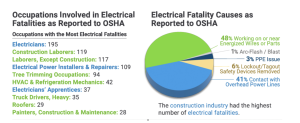
3.The Numbers Don’t Lie: Despite advancements in PPE and training, electrical fatalities remain stagnant, demanding deeper industry introspection.
4.Accountability Saves Lives: The role of dedicated observers and adherence to safety protocols cannot be overstated.
5.A Culture of Safety: Building relationships and fostering open communication among crews enhance workplace safety.
6.Personal Responsibility: Safety isn’t just about individual choices—it impacts families and communities.
You can read the current magazine at Incident Prevention Magazine.
Subscribe to Incident Prevention Magazine – https://incident-prevention.com/subscribe-now/
Register for the iP Utility Safety Conference & Expo – https://utilitysafetyconference.com/
The Voice of Experience with Danny Raines podcast is produced by the same team that publishes Incident Prevention. It delivers insights based on Danny’s regular column in the magazine, also called the Voice of Experience. To listen to more episodes of this podcast, as well as other podcasts we produce, visit https://incident-prevention.com/podcasts. You can reach Danny at rainesafety@gmail.com
Purchase Danny’s Book on Amazon – https://a.co/d/556LDvz
#UtilitySafety #ElectricalSafety #PPEInnovation #LinemanLife #SafetyCulture #DannyRaines
Voice of Experience – Surviving the Storm: Lessons from the Field with Danny Raines, CUSP
In this episode of The Voice of Experience, Danny Raines, CUSP, shares his invaluable insights from decades of storm work as a lineman and utility safety expert. From the devastation of Hurricane Katrina to modern-day storm recovery challenges, Danny takes us through the physical and mental toll of responding to natural disasters. He explains the dangers of backfeeds, the rise of alternative energy sources, and the importance of verifying safety before restoring power. Learn from his firsthand stories, safety lessons, and how the landscape of utility work has evolved over the years. Whether you’re in the utility industry or just curious about storm response, this episode offers a wealth of knowledge from one of the most respected professionals in the field.
Key Takeaways:
- The dangers of storm work: Power restoration involves more than meets the eye, especially with evolving technology like solar panels and generators creating backfeed hazards.
- Mental and physical challenges: Long hours, dangerous conditions, and the emotional impact of storm recovery can lead to severe fatigue and stress.
- Importance of testing and verifying: Danny stresses the importance of safety procedures, especially when dealing with energized systems after a storm.
- Stories from the field: Real-life experiences from Hurricane Katrina and other storms demonstrate the unpredictable nature of storm recovery.
- Utility evolution: Changes in technology, regulations, and community expectations are reshaping the utility industry’s response to natural disasters.
You can read the current magazine at Incident Prevention Magazine.
Subscribe to Incident Prevention Magazine – https://incident-prevention.com/subscribe-now/
Register for the iP Utility Safety Conference & Expo – https://utilitysafetyconference.com/
The Voice of Experience with Danny Raines podcast is produced by the same team that publishes Incident Prevention. It delivers insights based on Danny’s regular column in the magazine, also called the Voice of Experience. To listen to more episodes of this podcast, as well as other podcasts we produce, visit https://incident-prevention.com/podcasts. You can reach Danny at rainesafety@gmail.com
Purchase Danny’s Book on Amazon – https://a.co/d/556LDvz
#UtilitySafety #StormWork #HurricaneKatrina #LinemanLife #BackfeedDangers #MentalHealthMatters #TestAndVerify #PowerRestoration #StormRecovery #AlternativeEnergy #UtilityIndustry #SafetyFirst #DannyRaines #CUSP #ElectricGrid #DisasterResponse
Utility Safety Solutions Podcasts
Utility Safety Solutions: 2022 FR Update Live From the Expo floor at the Utility Safety Conference & Expo
June 6, 2022
Kurt reports in from the expo floor of the Utility Safety Conference & Expo to provide you with a comprehensive look at what’s new in the FR industry!
20 min. with several FR clothing exhibitors
Utility Safety Solutions: Learn How Intellishift’s Telematics and AI Camera Solutions are Improving Utility Fleet Safety
April 19, 2022
Kurt reports in from the NAFA conference where he met up with Intellishift’s Jordan Kittle to talk all about how the company is making innovative technology solutions that improve utility fleet safety as well as a conversation about a celebrity encounter with LeBron James.
20 min. with Intellishift’s Jordan Kittle
Utility Safety Solutions: Talking with Telelink about Their Lone Worker Monitoring and Incident Response Solution
February 25, 2022
Kurt Moreland sits down to talk with Laura Fudge from Telelink about how a monitoring and incident response solution for lone utility workers can help increase safety and save lives. They also talk about how the monitoring has been a vital safety solution for Newfoundland Hydro and even have fun talking about a celebrity encounter with Bill Nye, the Science Guy.
20 min. with Laura Fudge
Utility Safety Solutions: Talking Traffic Safety with Traffix Devices
March 24, 2022
Kurt Moreland reports live from the American Traffic Safety Services Association show where he talks all about utility traffic safety solutions with representatives from Traffix Devices. From cones and attenuators to barrels and flashing devices, you’ll learn about tools that can help your team stay safer on the roads. And, the Traffix Devices team even shares an amusing celebrity encounter story involving a famous Dallas quarterback.
20 min. with Traffix Devices team
Influencing Safety pt 10 – Is Safety Truly the Utility Industry’s First Priority? with Bill Martin, CUSP
Challenging the Status Quo: Rethinking Safety in the Utility Industry
Is safety truly the utility industry’s first priority? And is it even a real thing, or just a byproduct of something deeper? In this thought-provoking episode of Influencing Safety, Bill Martin, President and CEO of Think Tank Project LLC, joins host Kate Wade to challenge traditional views on safety. They explore the critical role of teamwork, communication, and human connection in fostering a truly safe work environment. Bill shares insights on the psychological factors that influence workplace culture, the hidden impact of mental health, and how shifting our focus from compliance to competency could change the game.
Key Takeaways:
✅ Safety isn’t just about compliance—it’s a byproduct of strong teamwork and communication.
✅ A psychologically safe work environment fosters better decision-making and fewer incidents.
✅ The traditional “safety first” mindset might be limiting our ability to create real change.
✅ Human connection and mental health are critical factors in workplace safety.
✅ Small changes, like pre-job huddles and open conversations, can have a major impact.
Subscribe to Incident Prevention Magazine – https://incident-prevention.com/subscribe-now/
Register for the iP Utility Safety Conference & Expo – https://utilitysafetyconference.com/
#WorkplaceSafety #UtilityIndustry #SafetyCulture #PsychologicalSafety #TeamworkMatters #LeadershipDevelopment #IncidentPrevention #CommunicationIsKey #CUSP #IncidentPrevention
Utility Safety in Depth – Bridging the Safety Gap – The Role of USMWF in Workplace Fatalities
In this episode of Utility Safety in Depth, host Kate Wade sits down with John “Scotty” MacNeill and Rena Harrington to explore the mission of the United Support & Memorial for Workplace Fatalities (USMWF). They discuss the critical role USMWF plays in supporting families affected by workplace fatalities, advocating for stronger safety regulations, and raising awareness in the utility industry. With personal stories, industry insights, and a call to action, this conversation highlights the human impact of workplace safety failures and the importance of proactive prevention.
Key Takeaways:
✔️ The Mission of USMWF: How the organization supports families affected by workplace fatalities.
✔️ Bridging the Safety Gap: Why family members must be involved in post-incident investigations.
✔️ The Power of Storytelling: How sharing personal loss creates real change in workplace safety.
✔️ Advocacy & Legislation: Efforts to improve safety laws at the state and federal levels.
✔️ What Utility Companies Can Do: How organizations can collaborate with USMWF to make a difference.
USMWF’s MISSION
Offers support, guidance and resources to those affected by work-related injuries, illnesses or diseases. Dedicated to sharing lessons learned that leads a movement of change in promoting actions for safe and healthy working conditions. Through the collective voice of families of fallen workers and other activists, we strive for the elimination and controls of workplace hazards– therefore preventing future tragedies.
USMWF’s VISION STATEMENT
USMWF is an organized community of dedicated family member victims, a nationally recognized non-profit leader driving the transformation of the work environment to safe and healthy conditions for all employers and employees – both today and tomorrow.
Read the article in iP Magazine – Read Here
Visit https://www.usmwf.org/ to support The United Support & Memorial for Workplace Fatalities.
Subscribe to Incident Prevention Magazine – https://incident-prevention.com/subscribe-now/
Register for the iP Utility Safety Conference & Expo – https://utilitysafetyconference.com/
#UtilitySafety #WorkplaceSafety #IncidentPrevention #LinemanLife #SafetyAdvocacy #StaySafe #USMWF
From the Olympics to the Utility Field: Dr. Kevin Rindal, DC on Preventing Soft Tissue Injuries
In this episode of the Incident Prevention Utility Safety Podcast, Kate Wade interviews Dr. Kevin Rindal, DC, chiropractor, human performance expert, and co-founder of Vimocity. Drawing from his extensive experience with the U.S. Olympic Swim Team and industrial athletes, Dr. Rindal shares insights on preventing soft tissue injuries, implementing dynamic warmup programs, and securing organizational buy-in for holistic well-being strategies. Learn how utilities can leverage sports medicine principles to enhance safety, reduce costs, and improve workers’ quality of life.
Key Takeaways
- Industrial Athletes and Soft Tissue Injuries: How utility workers face similar physical demands to athletes and the role of dynamic preparation in reducing injury rates.
- Proactive vs. Reactive Approaches: The importance of addressing leading indicators like pain to prevent more significant injuries or reliance on opioids and other pain mitigations.
- Integration with Daily Routines: Methods to seamlessly incorporate warmups, muscle maintenance, and recovery into existing workflows, making it scalable for smaller organizations.
- Leveraging Technology and Gamification: How apps, micro learning, and team challenges foster engagement and create sustainable safety habits.
- Leadership and Culture: The critical role of leadership buy-in at all levels in making safety and well-being programs successful.
Connect with Kevin:
- LinkedIn – https://www.linkedin.com/in/kevinrindal/
- Email – kevin@vimocity.com
Resource Links:
- Short form job-task specific training video | LINK
- Dynamic/ Full-body movement routine (5 min or less) | LINK
- Avoid Slips, Trips and Falls video | LINK
You can read the current magazine at Incident Prevention Magazine.
Subscribe to Incident Prevention Magazine – https://incident-prevention.com/subscribe-now/
Register for the iP Utility Safety Conference & Expo – https://utilitysafetyconference.com/
#UtilitySafety #IndustrialAthletes #InjuryPrevention #Vimocity #WorkplaceWellbeing #DynamicWarmups
Utility Safety In Depth: The 100th Monkey Effect and Human Connection in Safety – Doug Hill, CUSP & Bill Martin, CUSP
In this episode of Utility Safety In Depth, we delve into the fascinating concept of the 100th monkey effect and its implications for safety in the utility industry. Join us as we discuss how collective consciousness and human connection can drive significant improvements in safety culture and outcomes. We’ll explore practical strategies to foster a more caring and supportive work environment, emphasizing the importance of communication, empathy, and mutual respect. Discover how embracing the power of human connection can lead to a safer and more resilient workforce.
Key Takeaways:
- The 100th Monkey Effect: How collective consciousness can influence individual behavior.
- The importance of human connection in safety culture.
- Practical strategies to foster a more caring and supportive work environment.
- The power of communication, empathy, and mutual respect.
- The role of leadership in creating a positive safety culture.
#utilitiesafety #safetyculture #humanconnection #100thmonkeyeffect #workplacewellbeing #safetyleadership #utilityindustry
You can read the current magazine at Incident Prevention Magazine.
Subscribe to Incident Prevention Magazine – https://incident-prevention.com/subscribe-now/
Register for the iP Utility Safety Conference & Expo – https://utilitysafetyconference.com/
Special Series – Influencing Safety Pt. 9 – Beyond the Buzzwords – Creating a Culture of Safety
Are you tired of hearing the same safety jargon without seeing real change? Join Bill Martin, President and CEO of think Tank Project, LLC, and Kate Wade, Editor of Incident Prevention magazine, as they dive deep into the root causes of workplace injuries and fatalities. Discover how to move beyond motivation and empty slogans to create a truly safe and connected work environment.
Key Takeaways from this podcast:
- Importance of Synchronization: The way forward in safety management involves creating a synchronized workforce where everyone is connected on a deeper level. Synchronization allows for better communication and understanding, reducing the chances of injuries and accidents.
- Action Over Motivation: Motivational speeches and slogans alone are insufficient to bring about real change in workplace safety. There needs to be actionable steps that translate motivation into tangible improvements on the ground.
- Understanding Human Behavior: The podcast emphasizes that much of human behavior is automatic, driven by the brain’s need to conserve energy. Safety programs should account for this by focusing on changing automatic behaviors rather than expecting constant vigilance.
- The Role of Leadership: Effective leadership is about asking the right questions and involving workers in safety decisions. Leaders should model the behavior they want to see and create environments that encourage participation and ownership of safety practices.
- Continuous Learning and Experimentation: The podcast suggests that safety improvements should be approached as ongoing experiments, where teams try out new ideas, evaluate their effectiveness, and adjust accordingly.
- Dealing with Resistance: Resistance to change is natural, especially in large organizations with many layers. The podcast highlights the importance of addressing this resistance by aligning everyone around common goals and encouraging openness to new ideas.
- Mental and Emotional Health: Addressing mental health issues, such as addiction and depression, is crucial for creating a safe work environment. A connected and supportive team can help identify and mitigate these risks.
- Practical Applications: The podcast concludes with a call to action—what small, tangible change can be implemented on Monday to make the workplace safer? It’s about translating ideas into real-world actions that have a measurable impact.
#safetyculture #workplaceinjury #safetymanagement #safetyleadership #industrialaccidents #safetytraining #safetytips #safetypodcast #accidentprevention #riskmanagement
You can read the current magazine at Incident Prevention Magazine.
Subscribe to Incident Prevention Magazine – https://incident-prevention.com/subscribe-now/
Register for the iP Utility Safety Conference & Expo – https://utilitysafetyconference.com/
Supporting Safety Professionals: A Conversation with Scott Francis, Technical Sales Manager, Westex, a Milliken Brand
Welcome to Incident Prevention’s Utility Safety Podcast, hosted by Kate Wade, editor of Incident Prevention magazine. In this episode, Kate sits down with Scott Francis, the technical sales manager for Westex, a Milliken brand renowned for pioneering protective textiles since 1941. Scott brings decades of experience in the safety industry, especially in the flame-resistant and arc-rated clothing markets.
During this insightful discussion, Scott shares his expertise on the latest advancements in flame-resistant and arc-rated apparel, the importance of live demonstrations, and how Westex is leading the way in educating safety professionals. He also touches on the challenges of balancing cost and safety standards, and the critical role of comfort in ensuring protective clothing is worn consistently.
Whether you’re a safety manager looking to enhance your PPE program or simply interested in the latest trends in utility safety apparel, this episode is packed with valuable information.
Key Takeaways:
- Impact of Live Demonstrations: Live flash fire and arc flash events leave a lasting impression, helping safety professionals understand the severity of thermal hazards.
- Survivor Stories: Hearing from thermal exposure survivors like Brad Livingston emphasizes the real-life consequences of not wearing proper PPE.
- Education and Training: Westex offers extensive educational resources, including webinars, regional safety conferences, and online materials to keep safety managers informed.
- Balancing Cost and Safety: The competitive landscape in flame-resistant fabric manufacturing drives innovation and helps maintain affordable prices without compromising safety.
- Comfort Equals Protection: Comfortable PPE is more likely to be worn consistently, directly impacting worker safety.
#UtilitySafety #FlameResistantClothing #ArcRatedApparel #PPE #WorkplaceSafety #SafetyPodcast #IncidentPrevention
You can read the current magazine at Incident Prevention Magazine.
Subscribe to Incident Prevention Magazine – https://incident-prevention.com/subscribe-now/
Register for the iP Utility Safety Conference & Expo – https://utilitysafetyconference.com/
Do you have insight to share with the utility safety community?
Contact us with your podcast topic and 2-3 learning objectives to be considered for our next podcast episode.


